

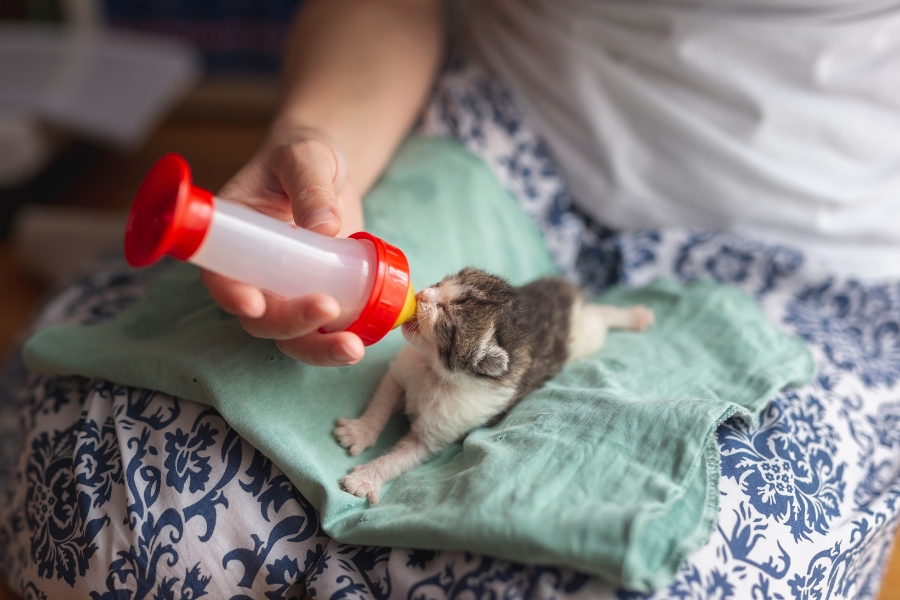
Adopting a kitten is an exciting and rewarding experience, but it also comes with responsibilities. One of the most important things to keep in mind when bringing a new kitten into your home is helping them adjust to their new environment. This transition can be overwhelming for young kittens, but there’s a helpful framework called the 3-3-3 rule that can guide you through the process. In this blog, we’ll explain what the 3-3-3 rule is, how it helps your kitten adjust, and how you can support them during their transition.
What is the 3-3-3 Rule for Kittens?
The 3-3-3 rule is a guideline for helping kittens (and cats) adjust to their new homes. The rule is based on the observation that it typically takes a kitten three days, three weeks, and three months to fully acclimate to a new environment. Each of these time frames represents a different phase in the kitten’s adjustment process:
- 3 Days: The initial shock phase
- 3 Weeks: The settling-in phase
- 3 Months: The bonding and full adjustment phase
Let’s dive deeper into each phase to understand what to expect and how you can help your kitten feel safe and comfortable during the transition.
1. The First 3 Days: The Initial Shock Phase
The first three days after bringing your kitten home can be overwhelming for them. Kittens are naturally curious but can also be shy and scared in unfamiliar environments. During this period, your kitten will be adjusting to new sights, smells, and sounds that may be quite different from the shelter or environment they were used to.
What to Expect:
- Fear and Hiding: It’s common for kittens to hide during the first few days. They may seek out dark, quiet places where they can feel secure. Don’t worry if your kitten isn’t immediately playful or social.
- Less Appetite: Due to the stress of the transition, your kitten may not eat or drink as much as usual. Keep their food and water accessible, but avoid forcing them to eat.
- Initial Exploration: While they may spend a lot of time hiding, kittens will gradually start exploring their new environment at their own pace.
How to Help:
- Create a Safe Space: Set up a quiet, secure space for your kitten, such as a small room with a bed, litter box, food, and water. This will allow them to settle in without feeling overwhelmed.
- Limit Visitors and Noise: Avoid loud noises and visitors during the first few days, as these can increase your kitten’s stress levels.
- Be Patient: Give your kitten time to adjust. While it may seem like they’re not bonding with you right away, they need time to feel safe and secure.
2. The Next 3 Weeks: The Settling-In Phase
After the first three days, your kitten will begin to feel a little more comfortable in their new home. The next three weeks are crucial for helping them adapt to their new surroundings, establish routines, and start to trust you.
What to Expect:
- Increased Exploration: By now, your kitten will start to explore their environment more confidently. You may notice them getting curious about their surroundings, including toys, furniture, and different rooms.
- More Playful Behavior: As your kitten becomes more comfortable, they will begin to show their playful side. Play is an essential part of kitten development, so be sure to provide engaging toys to encourage their energy.
- Bonding Time: Your kitten will start to recognize you as their primary caregiver, and you may see signs of affection, such as following you around or sitting on your lap.
How to Help:
- Establish a Routine: Kittens thrive on routine. Try to feed them at the same times every day and keep their playtime consistent. This helps them feel secure and know what to expect.
- Gentle Socialization: Continue to introduce your kitten to new experiences, such as people, other pets (if applicable), and new environments, but do so at a gentle pace. Avoid overwhelming them.
- Patience and Positive Reinforcement: If your kitten is still shy or reluctant, use positive reinforcement to encourage good behavior. Offer treats and praise for exploring or playing with you.
3. The Next 3 Months: The Bonding and Full Adjustment Phase
The final phase of the 3-3-3 rule is the three-month period. By this time, your kitten will have fully adjusted to their new home and will have established a bond with you. They will feel more secure, and their personality will continue to develop.
What to Expect:
- Settled Behavior: Your kitten will now be more comfortable with their environment and will display a greater sense of confidence. They’ll begin to show more consistent behavior, such as using the litter box reliably and sleeping in the same spot.
- Deepened Bond: After three months, your kitten should trust you fully. They’ll be more affectionate and may follow you around, sleep in your lap, or even seek attention and petting.
- Increased Energy: As your kitten matures, their energy levels may shift from hyperactive play to more relaxed behavior, although they’ll still enjoy playing and exploring.
How to Help:
- Continue Socializing: Even though your kitten is more comfortable, it’s still important to socialize them with new experiences. Continue introducing them to other people, pets, and environments, always ensuring they feel safe.
- Vet Visits: Ensure that your kitten’s health is monitored during this phase. Schedule any necessary vaccinations, deworming treatments, and wellness check-ups with your vet.
- Encourage Good Habits: Reinforce positive behaviors, such as litter box use, and provide plenty of opportunities for play and exploration.
The 3-3-3 rule provides a helpful framework for understanding how kittens adjust to their new homes. While every kitten is different, most will go through the three phases of initial shock, settling in, and full adjustment. With patience, love, and proper care, your kitten will thrive in their new environment.
If you’re in need of expert kitten care in Rock Hill, SC, River’s Edge Animal Hospital is here to support you. From vaccinations and check-ups to advice on socialization and behavioral issues, our team is dedicated to helping your kitten grow into a healthy, happy cat.
FAQs
Q1. How long does it take for a kitten to adjust to a new home?
Ans. It typically takes about 3 months for a kitten to fully adjust to a new home, with different stages of acclimation during the first 3 days, 3 weeks, and 3 months.
Q2. What should I do if my kitten isn’t eating after bringing them home?
Ans. It’s normal for kittens to have a reduced appetite initially. However, if they refuse food for more than 24 hours, contact your veterinarian.
Q3. Can I let my kitten roam the house right away?
Ans. During the first few days and weeks, it’s important to limit your kitten’s roaming to a small, safe space. Gradually allow more freedom as they become more comfortable.
Q4. How can I help my kitten feel more comfortable during the transition?
Ans. Create a quiet, secure space for them, offer gentle socialization, and be patient as they adjust. Providing consistent routines also helps.
Q5. Should I introduce my kitten to other pets immediately?
Ans. Introduce your kitten to other pets slowly and in a controlled manner to avoid overwhelming them. Early socialization can help them feel more secure.
Q6. What are the signs that my kitten is fully adjusted to their new home?
Ans. A fully adjusted kitten will feel comfortable exploring, playing, and bonding with you. They’ll have a consistent eating and sleeping routine.