
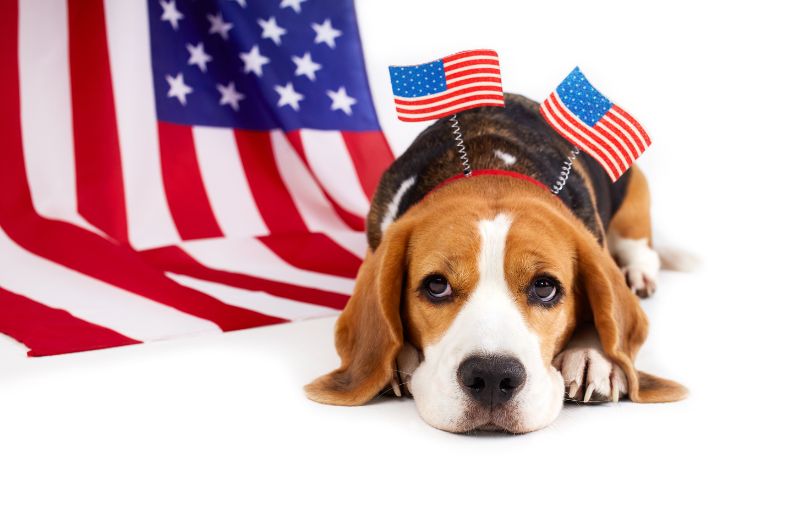
The fireworks have fizzled, the BBQ’s been cleaned up, and the stars and stripes are back in storage. But for pet owners, the work isn’t over. The morning after the Fourth of July is a critical time for pet safety. Debris, stress symptoms, and changes in routine can still affect your furry friends, even after the big celebration has ended.
Let’s walk through a pet parent’s post-holiday checklist to ensure your companion stays safe, calm, and cared for once the sparks have settled.
Why the Day After Matters
You might think the danger has passed once the fireworks are done, but many pet injuries, illnesses, and escapes happen after the main event.
-Common post-holiday risks include:
-Firework debris in yards or parks
-Escaped or disoriented pets
-Lingering signs of anxiety or trauma
-Food scraps and trash pose toxicity risks
That’s why a thorough day-after inspection and care routine is a must for every responsible pet parent.
1. Yard Check: Firework Fallout & Escape Hazards
Whether you lit fireworks or your neighbors did, debris can scatter far and wide.
Look for:
-Burnt firework remnants (wires, paper casings, plastic shells)
-Spent sparklers or unexploded fireworks
-Matches, lighters, or ash piles
-Sharp or melted plastic
-Food trash, such as skewers, bones, and grease spills
Action:
Walk your yard before letting your pet out. Dispose of all dangerous items in sealed bags. Even small remnants can be toxic if licked, chewed, or stepped on.
Also check:
–Fences and gates: Pets in panic may have scratched, dug, or forced their way out. Repair any loose panels or fill holes immediately.
2. Home Scan: Indoor Safety Sweep
If you had guests over, your home may need a post-party pet-proofing check.
Inspect for:
-Dropped food scraps (onions, chocolate, grapes, xylitol gum)
-Alcohol containers or spilled drinks
-Decorative items pets might chew (plastic flags, glow sticks, balloons)
-Open trash bags or overflowing bins
Tip: Do a floor-level walk-through from your pet’s perspective. If it looks chewable or smells tasty, it’s a risk.
3. Monitor for Lingering Anxiety or Behavior Changes
Not all pet stress ends with the fireworks. The after-effects can last hours or even days.
Signs to watch:
-Unusual hiding or clinginess
-Refusal to eat or drink
-Aggression or pacing
-Excessive grooming or drooling
-Jumpiness at everyday noises
Action:
Keep routines calm and consistent. Offer favorite toys, comfort items, and calming treats. If anxiety continues beyond a day or two, contact your vet for support.
4. Confirm Pet’s Safety Essentials
In the chaos, some safety basics might have been overlooked.
Double-check:
-The collar is still securely fastened
-The ID tag is in place and readable
-Microchip info is updated
-The leash and harness are in good condition
If your pet escaped and returned:
-Check for injuries (paws, legs, mouth, nose)
-Look for signs of dehydration or trauma
-Call your vet for a wellness exam if you’re unsure
5. Ease Them Back into Normal Routines
Routine is a comfort blanket for pets. Try to restore it as soon as possible:
–Meal times should return to their regular schedule
–Walks and play sessions should be calm and predictable
–Sleep areas should stay quiet, especially if your pet used a safe space during fireworks
Don’t rush your pet to “bounce back.” Let them regain confidence at their own pace.
Bonus: What to Do If You Find a Stray
If you see a frightened or injured pet in your neighborhood:
-Approach slowly and calmly.
-Check for a collar or tag.
-Take the animal to a local vet or shelter to scan for a microchip.
-Post in community groups or apps like Nextdoor or PawBoost.
Remember: someone else may be searching for their missing companion too.
Optional: Deep Clean Pet Spaces
Even indoors, your pet’s crate or “calm corner” may need a refresh:
-Wash blankets and bedding
-Wipe down crates and bowls
-Add fresh calming sprays or scents (lavender or chamomile, pet-safe only)
This helps reset the environment after a stressful night.
The Fourth of July is a 24+ hour event in your pet’s world. Even once the celebration ends, the aftereffects can linger. A day-after safety routine is your chance to show your pet that things are truly okay now.
By doing a quick sweep, consulting with a professional vet, re-establishing routines, and offering reassurance, you’re helping your companion recover—and reminding them that they’re safe, loved, and never alone.
Because peace of mind isn’t just for the holiday—it’s for the whole journey.