
When your beloved pet undergoes surgery, you naturally want them to recover as quickly and comfortably as possible. However, successful recovery involves more than just time—it takes careful attention, smart planning, and gentle care. In fact, following structured guidelines helps prevent post‑operative complications and supports your pet’s overall well‑being. Here are ten essential tips to guide you through the recovery process with confidence.
1. Follow Your Veterinarian’s Instructions Closely
First and foremost, carefully follow all instructions your vet provides. Furthermore, clarify any dosage schedules or activity restrictions before leaving the clinic. By adhering to those guidelines, you’ll greatly reduce risks like infection or reopening wounds. Additionally, keep written or digital copies so you can refer to them easily during the healing period.
2. Create a Calm, Comfortable Recovery Space
Next, prepare a quiet space for your pet to relax. For example, set up a soft bed with blankets in a low-traffic part of your home. Moreover, ensure the space is warm but well‑ventilated. By limiting noise and disruptions, you enable your pet to rest better, which accelerates healing.
3. Monitor Eating and Hydration Carefully
After surgery, pets may feel nauseated or lose their appetite temporarily. Consequently, encourage small, frequent meals rather than large portions. Also, offer fresh water constantly. If your pet refuses food or water for more than 12 hours, contact your veterinarian. Because hydration supports tissue repair and immune function, monitoring intake is essential.
4. Administer Medications Without Delay
Additionally, stick to the medication schedule without missing doses. Whether it’s pain relievers, antibiotics, or anti‑inflammatory meds, consistency matters. If your pet resists taking pills, ask your vet about alternatives—such as liquid forms or hiding medication in soft treats. Be vigilant in watching for side effects such as vomiting, lethargy, or loss of appetite.
5. Take Care of Incisions and Wound Sites
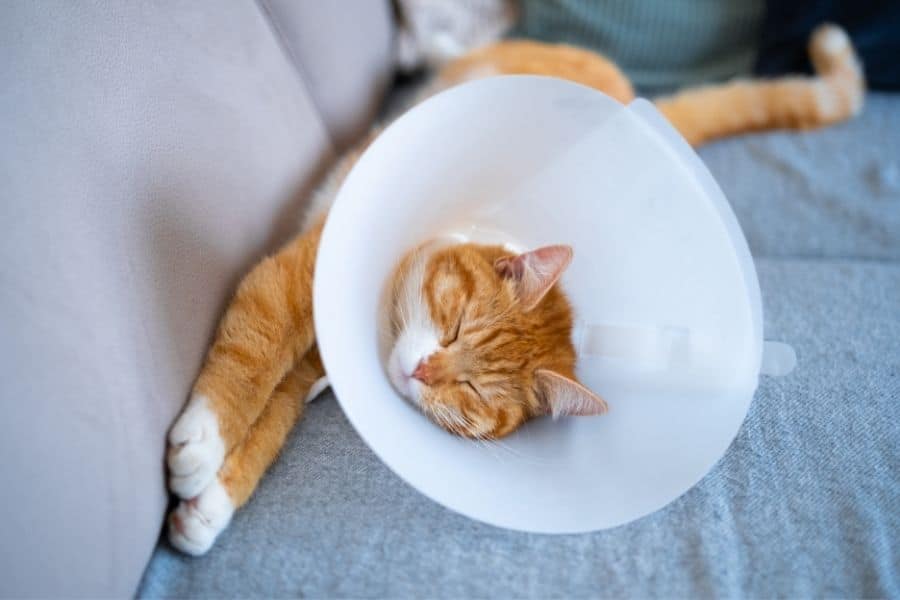
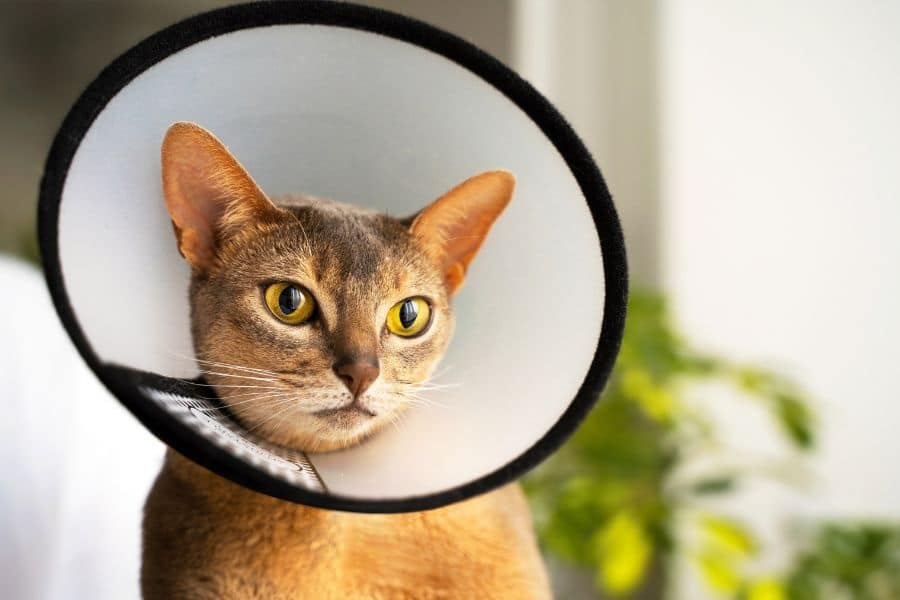
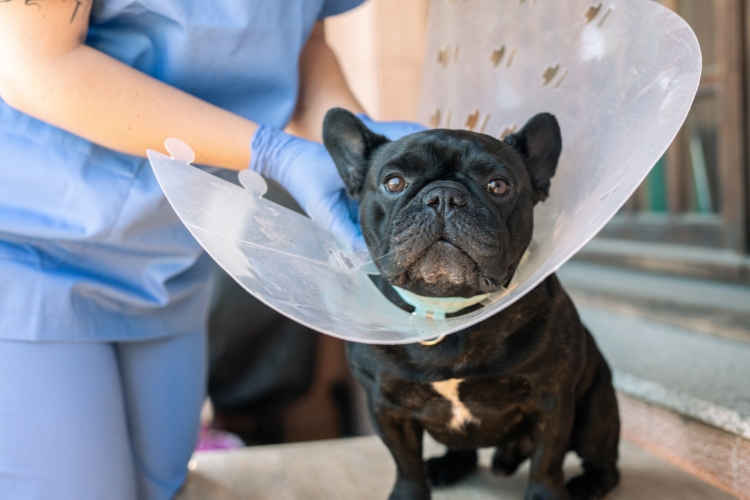
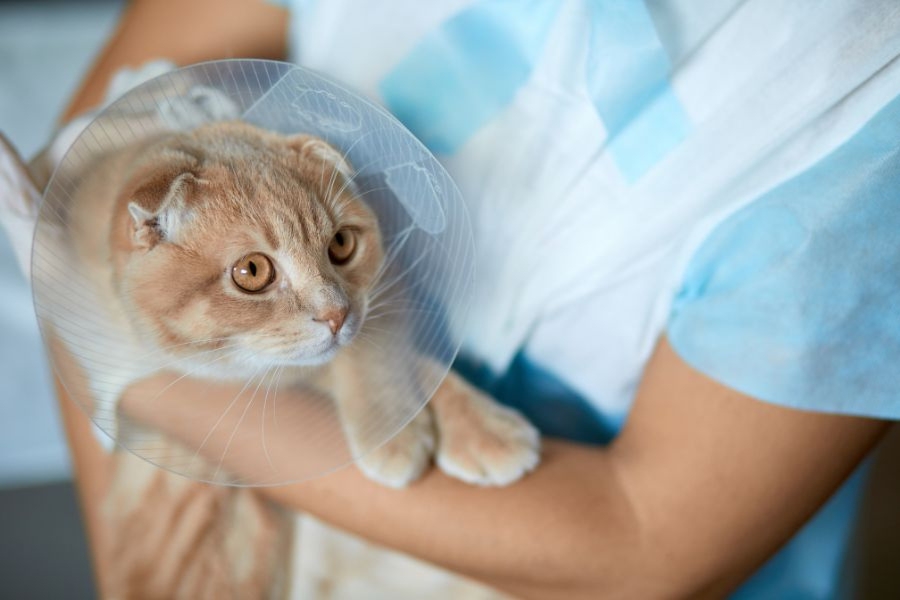
Moreover, regularly check the incision site for signs of redness, swelling, discharge, or unusual odor. Keep the area clean and dry, preventing your pet from licking or scratching it. If needed, use an Elizabethan collar (cone) as recommended. Remember, timely wound care prevents infection and accelerates recovery.
6. Restrict Physical Activity Appropriately
Although you may feel eager to return to normal walks or play, avoid strenuous exercise until your vet gives the go‑ahead. Instead, confine your pet to short leash walks or supervised rest time. Gradually increase activity based on healing progress. By limiting motion, you protect the surgical site and reduce discomfort.
7. Support Gentle Rehabilitation as Needed
Furthermore, if your pet’s surgery affects mobility—such as an orthopedic procedure—ask your vet about gentle rehabilitation or physical therapy. Often, light stretching, massage, or controlled movement helps maintain strength and flexibility. However, always start slow and follow veterinary guidance to prevent over‑exertion.
8. Keep Your Pet Mentally Engaged
On top of physical recovery, mental stimulation plays a key role. Therefore, provide calm activities like puzzle feeders, low-impact toys, or soft petting sessions. Additionally, spend time near your pet to reduce stress and loneliness. Even small positive interactions boost mood and support holistic healing.
9. Watch for Warning Signs and Red Flags
Importantly, stay alert for any concerning symptoms such as persistent vomiting, diarrhea, lethargy, fever, or changes in breathing. Additionally, if swelling, bleeding, or foul odor develops at the incision site, seek veterinary guidance right away. Acting early prevents complications and ensures rapid care should issues arise.
10. Schedule Follow-Up Appointments
Finally, commit to follow-up vet visits as advised. These appointments typically include incision checks, stitch removal, and adjustments to medication. They also give you an opportunity to discuss progress, ask questions, or bring up new concerns. By staying engaged with professional care, you secure a smoother recovery path.
Summary Table
| Tip | Why It Matters |
|---|---|
| Follow vet instructions | Ensures safe, structured recovery |
| Create a calm recovery zone | Promotes rest and healing |
| Monitor eating and hydration | Supports immunity and repair |
| Administer medications properly | Prevents pain and infection |
| Care for incisions | Reduces risk of complications |
| Restrict activity | Prevents strain on the surgical site |
| Support rehabilitation | Maintains mobility and strength |
| Provide mental stimulation | Reduces stress and boredom |
| Watch for red flags | Enables early intervention |
| Attend follow-ups | Ensures proper healing and guidance |
In conclusion, helping your pet recover from surgery requires thoughtful planning, gentle care, and proactive attention. By following these ten essential tips—from medication adherence and wound care to mental support and follow-up— you encourage faster recovery while keeping discomfort and complications to a minimum. If you’re in need of specialized care or guidance, consider professional support such as pet surgery in Rock Hill, SC, to ensure comprehensive postoperative assistance.
Your pet depends on your dedication—so stay observant, compassionate, and responsive during recovery. With your support, they’ll be back to playful paws and happy purrs in no time.