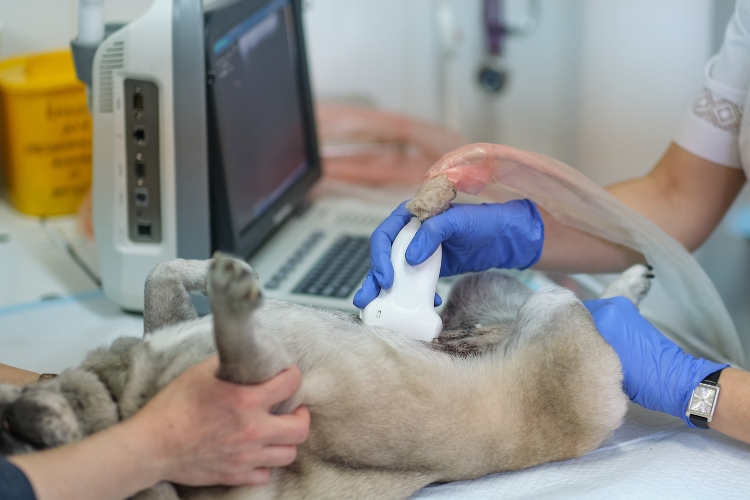


As pet owners, we want nothing more than for our dogs to live long, healthy lives. However, it’s not always easy to tell when something is wrong with your furry friend. Dogs can’t communicate their pain or discomfort, so it’s up to us to recognize the signs that they may need urgent medical attention. Whether it’s a sudden change in behavior, difficulty breathing, or signs of injury, knowing when to seek professional help can make all the difference.
In this blog, especially for Rock Hill, SC, we’ll highlight the common signs that your dog needs to see a veterinarian right away, so you can act quickly and ensure they get the care they need.
1. Lethargy or Unusual Behavior
One of the first signs that something might be wrong with your dog is a sudden change in behavior. Dogs are typically full of energy and enthusiasm. So, if you notice that your dog seems unusually tired, disinterested in play, or listless, it could indicate an underlying health issue. This change in behavior could be related to an infection, pain, or even a serious condition such as heart disease, organ failure, or a neurological disorder.
What to Do:
If your dog’s lethargy is accompanied by other symptoms like vomiting, diarrhea, or refusal to eat, it’s best to schedule an appointment with your veterinarian immediately. The sooner you catch any potential issues, the better the outcome for your pet.
2. Difficulty Breathing or Wheezing
Difficulty breathing, labored breathing, or wheezing is a serious concern that should not be ignored. These symptoms could be indicative of respiratory infections, heart disease, or even an allergic reaction. A dog’s breathing should be steady and consistent, so if it becomes rapid, shallow, or labored, it’s crucial to act fast.
What to Do:
If you notice that your dog is struggling to breathe, don’t wait for the symptoms to worsen. Rush them to the vet immediately, as breathing problems can escalate quickly and lead to life-threatening situations if not treated promptly.
3. Excessive Vomiting or Diarrhea
While occasional vomiting or diarrhea might not be a cause for concern, repeated or persistent symptoms can quickly become dangerous. Prolonged vomiting or diarrhea can lead to dehydration, electrolyte imbalances, and malnutrition. If your dog is vomiting or having diarrhea for more than 24 hours, it’s time to consult a veterinarian.
What to Do:
If your dog is vomiting frequently or experiencing diarrhea that lasts longer than a day, visit your vet to identify the cause and avoid further complications. This is especially important if the vomiting or diarrhea is accompanied by blood or if your dog appears lethargic.
4. Severe Pain or Sensitivity
Dogs are known for hiding pain, so if they’re showing visible signs of discomfort, it’s important to take notice. If your dog is whimpering, whining, limping, or is sensitive to touch, they may be experiencing pain from an injury or illness. Severe pain could stem from conditions like fractures, kidney stones, pancreatitis, or even internal injuries.
What to Do:
If your dog shows signs of severe pain or sensitivity, take them to the vet immediately for evaluation. Pain management and proper treatment can help alleviate their suffering and prevent further health complications.
5. Severe Blood Loss or Bleeding
Bleeding, whether external or internal, is always a serious concern. Seeing blood in your dog’s urine, stool, or from their gums or skin can indicate trauma, injury, or a medical issue like clotting disorders or cancer. Even a small amount of blood should not be ignored.
What to Do:
If your dog is bleeding profusely or if the bleeding doesn’t stop, take them to the vet right away. Prompt medical attention is essential to prevent further blood loss and treat the underlying cause of the bleeding.
6. Seizures or Tremors
Seizures and tremors are alarming and often indicate a serious neurological issue. These could be caused by toxins, brain disease, or other conditions like epilepsy. Whether it’s your dog’s first seizure or they’ve had them before, it’s important to seek veterinary help to determine the cause.
What to Do:
If your dog experiences a seizure, take them to the vet immediately. Your veterinarian will conduct tests and recommend treatment options to help manage the condition.
7. Unexplained Weight Loss or Loss of Appetite
A sudden loss of appetite or unexplained weight loss can be indicative of serious health issues. Dogs may lose interest in food due to digestive issues, kidney disease, or even cancer. If your dog isn’t eating or drinking regularly, it’s time to get professional help.
What to Do:
If your dog is not eating or showing signs of weight loss for more than a couple of days, schedule an appointment with your veterinarian to get to the root of the problem.
8. Swelling or Bloating in the Abdomen
Swelling or bloating in your dog’s abdomen is a sign that something is wrong. One potential cause of bloating is a condition known as gastric dilatation-volvulus (GDV), or bloat, which is a life-threatening emergency. GDV occurs when the stomach twists, cutting off blood flow and causing shock. It requires immediate surgery to correct.
What to Do:
If your dog’s abdomen is swollen or bloated, especially if they seem to be in pain, contact your vet immediately. Bloat is a medical emergency that requires immediate intervention.
9. Changes in Urination or Defecation Habits
Changes in your dog’s urination or defecation habits can be signs of internal health problems. Difficulty urinating, straining, or blood in the urine may indicate urinary tract infections or kidney problems. Similarly, constipation, diarrhea, or unusual bowel movements can signal gastrointestinal issues.
What to Do:
If your dog’s bathroom habits change significantly, consult with your veterinarian to determine the cause and provide the necessary treatment.
10. Excessive Thirst or Urination
While dogs may drink more water on hot days, sudden or excessive thirst or urination could be indicative of serious conditions such as diabetes, kidney disease, or liver issues. If your dog is drinking excessively or urinating more frequently than normal, don’t ignore it.
What to Do:
Excessive thirst or urination should be addressed immediately. Visit the vet to rule out serious health conditions and get your dog the proper care.
Being proactive about your dog’s health is crucial, as early detection of medical issues can improve outcomes and prevent serious complications. If you notice any of the symptoms mentioned above, it’s important to seek veterinary care as soon as possible. Your dog depends on you to recognize the warning signs and get them the help they need.
If you are in Rock Hill, SC, and looking for a veterinarian, book an appointment with River’s Edge Animal Hospital. Our veterinary team is here to provide the expert care and treatment your dog deserves.
FAQs
Q1: How do I know if my dog is in pain?
A: Dogs in pain may show signs such as whining, limping, reluctance to move, or sensitivity when touched. If you notice these signs, consult a vet.
Q2: What should I do if my dog is vomiting frequently?
A: If your dog is vomiting frequently, monitor for dehydration. If the vomiting lasts more than 24 hours, contact your veterinarian for further evaluation.
Q3: Is it normal for my dog to have seizures?
A: Seizures are not normal and should be treated as an emergency. If your dog has a seizure, seek immediate veterinary care to determine the cause.
Q4: How can I tell if my dog needs emergency care?
A: If your dog is showing severe symptoms such as difficulty breathing, bleeding, or severe pain, seek emergency veterinary care immediately.
Q5: Can my dog recover from bloat?
A: Bloat is a life-threatening condition that requires emergency treatment. With prompt intervention, many dogs can recover fully after surgery.
Q6: What are the signs of a urinary tract infection in dogs?
A: Signs of a urinary tract infection in dogs include difficulty urinating, straining, blood in the urine, or frequent urination. Visit your veterinarian for diagnosis and treatment.