
Many pet owners assume veterinary visits are only necessary when a dog or cat appears sick or injured. However, routine wellness exams play a critical role in helping pets stay healthy long before visible symptoms develop. Preventive care allows veterinarians to monitor your pet’s overall health, identify early warning signs of disease, and recommend treatments before problems become more serious.
Dogs and cats age much faster than humans, which means health changes can occur quickly. Conditions such as dental disease, arthritis, obesity, kidney disease, diabetes, and heart problems often begin subtly and may go unnoticed at home for months. Regular wellness exams help detect these issues earlier, improving the chances of successful treatment and long-term health management.
For pet owners in Rock Hill, understanding how often pets should visit the veterinarian is one of the most important parts of responsible pet ownership.
At River’s Edge Animal Hospital, routine wellness care is designed to support pets through every stage of life, from playful puppies and kittens to senior companions needing more advanced monitoring.
Why Wellness Exams Are So Important
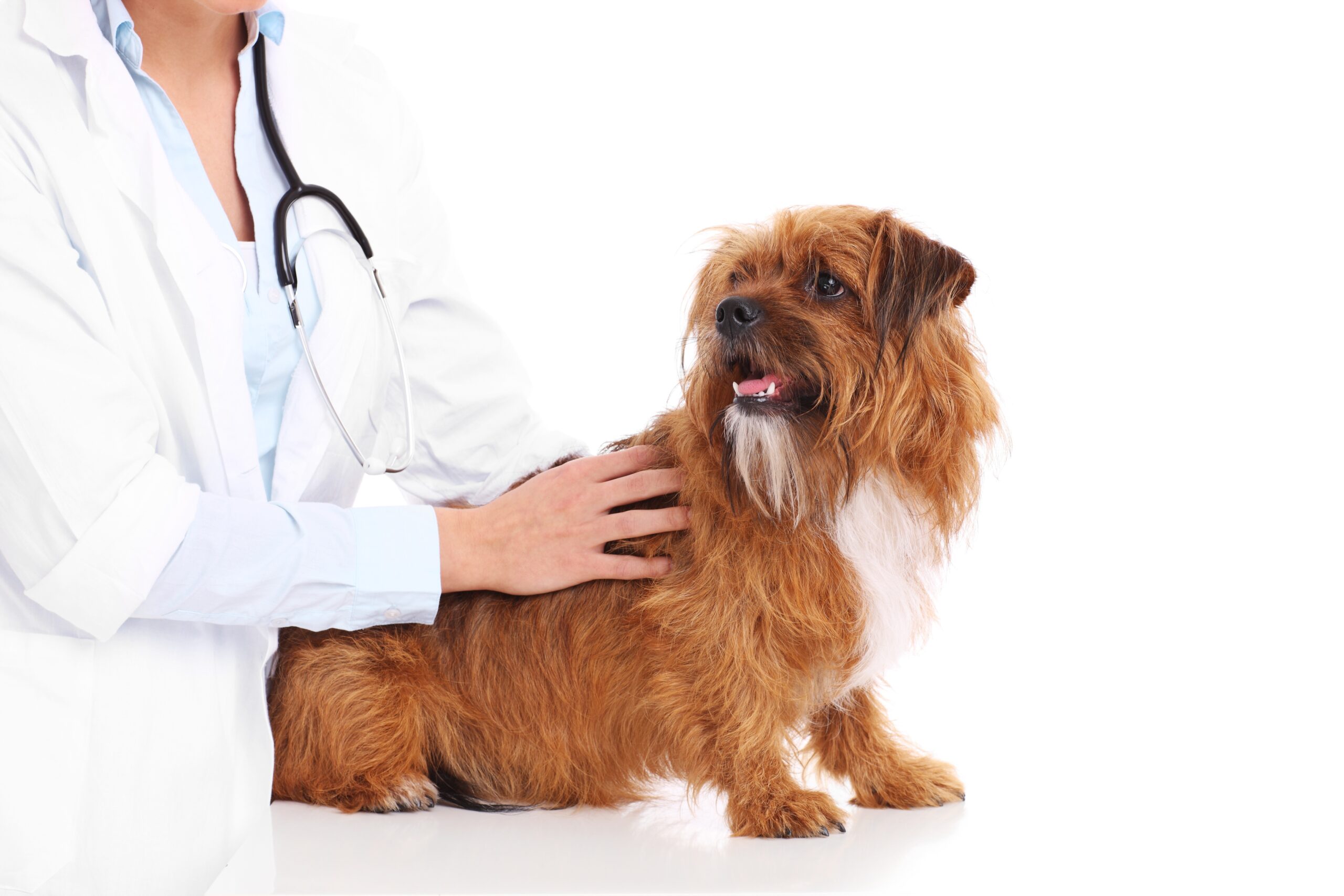
Wellness exams are preventive veterinary visits focused on maintaining your pet’s overall health rather than treating emergency illness alone. These visits allow veterinarians to assess your pet’s condition regularly and identify concerns before they become severe.
During a wellness exam, veterinarians may evaluate:
- Weight and body condition
- Heart and lung function
- Skin and coat health
- Teeth and gums
- Joint mobility
- Vision and hearing
- Vaccination status
- Parasite prevention needs
Many pet owners benefit from preventive health support for pets because early disease detection often leads to better treatment outcomes and lower long-term medical costs.
Routine exams also help create a complete medical history, allowing veterinarians to monitor gradual health changes over time.
How Often Should Puppies and Kittens Have Wellness Exams?
Young pets require more frequent veterinary visits than adults because they are still developing physically and immunologically.
Puppies and kittens typically need exams every few weeks during their first several months of life. These visits often include:
- Vaccinations
- Growth monitoring
- Parasite screenings
- Nutritional guidance
- Behavioral recommendations
- Developmental assessments
Frequent visits help ensure young pets are growing properly while building immunity against serious infectious diseases.
Veterinarians often recommend early life veterinary care for puppies and kittens because preventive care during the first year creates a strong foundation for lifelong health.
These appointments also allow pet owners to ask questions about training, feeding, and socialization.
Adult Dogs and Cats Usually Need Annual Exams
For most healthy adult pets, annual wellness exams are recommended. Even if a dog or cat appears healthy at home, yearly exams are important because many medical conditions develop gradually and without obvious symptoms.
Annual exams help veterinarians:
- Detect early disease signs
- Update vaccinations
- Monitor weight changes
- Assess dental health
- Review nutrition and exercise
- Discuss parasite prevention
Many owners seeking comprehensive wellness care for companion animals are surprised to learn how many health problems can be identified before symptoms become noticeable.
Routine preventive visits may also reduce the likelihood of more serious medical complications later.
Senior Pets Often Need More Frequent Monitoring
As pets age, their healthcare needs usually increase. Senior dogs and cats are more likely to develop chronic conditions such as arthritis, diabetes, kidney disease, heart disease, or cancer.
Because aging pets can experience rapid health changes, many veterinarians recommend wellness exams every six months for seniors.
More frequent visits allow earlier detection of age-related problems and better long-term management of chronic conditions.
Senior wellness exams may include:
- Bloodwork
- Urinalysis
- Blood pressure monitoring
- Mobility assessments
- Pain evaluations
- Organ function screening
Pet owners interested in advanced senior pet wellness support often find that regular monitoring significantly improves quality of life for older pets.
Early treatment can help aging pets remain active and comfortable longer.
What Happens During a Wellness Exam?
A wellness exam involves much more than a quick physical check. Veterinarians carefully evaluate multiple aspects of your pet’s health during the visit.
The appointment may include:
Physical Examination
Your veterinarian checks your pet’s body condition, weight, skin, ears, eyes, heart, lungs, abdomen, joints, and overall appearance.
Dental Evaluation
Oral health is a major part of preventive care. Dental disease is extremely common in pets and may affect overall health if untreated.
Vaccination Review
Vaccines are updated based on your pet’s age, lifestyle, and risk factors.
Diagnostic Screening
Bloodwork and laboratory testing may help identify hidden medical conditions before symptoms appear.
Many pet owners choose routine diagnostic screenings for pets because early disease detection can dramatically improve treatment outcomes.
Why Early Disease Detection Matters
One of the biggest benefits of wellness exams is identifying medical problems early. Pets often hide discomfort, meaning diseases may progress significantly before visible symptoms develop.
Conditions commonly identified during wellness visits include:
- Kidney disease
- Diabetes
- Thyroid disorders
- Heart disease
- Arthritis
- Obesity
- Dental disease
- Parasite infections
Detecting these conditions early may allow treatment to begin before irreversible damage occurs.
Preventive veterinary care often saves both emotional stress and long-term medical expenses for pet owners.
Behavioral and Lifestyle Changes Matter Too
Wellness visits are not only about physical health. Behavioral changes can also provide valuable insight into underlying medical or emotional concerns.
Your veterinarian may ask about:
- Appetite changes
- Sleep patterns
- Activity levels
- Anxiety or stress
- Bathroom habits
- Social behavior
Even subtle changes may signal early health problems that require attention.
Open communication between pet owners and veterinarians helps create more effective long-term care plans.
Wellness Exams Help Build a Long-Term Health Plan
Preventive care works best when it is consistent. Regular wellness exams allow veterinarians to track changes over time and adjust recommendations as pets age.
Long-term wellness planning may include:
- Weight management
- Nutritional support
- Dental care
- Mobility support
- Chronic disease monitoring
- Behavioral guidance
Families in Rock Hill are increasingly recognizing the value of preventive veterinary care for helping pets live healthier and longer lives.
Routine visits create opportunities to address concerns early instead of waiting for emergencies to develop.
Signs Your Pet May Need an Exam Sooner
Even if your pet recently had a wellness exam, certain symptoms should prompt a veterinary visit right away.
Watch for signs such as:
- Loss of appetite
- Vomiting or diarrhea
- Limping
- Increased thirst
- Weight changes
- Lethargy
- Difficulty breathing
- Behavioral changes
Never assume symptoms will simply resolve on their own.
At River’s Edge Animal Hospital, we believe preventive care is one of the best ways to support your pet’s long-term health and happiness. Whether your pet is young, adult, or entering their senior years, regular wellness exams can help detect problems early and keep them feeling their best. Book an appointment today to create a personalized wellness plan for your dog or cat.
FAQs About Pet Wellness Exams
1. How often should healthy adult pets have wellness exams?
Most healthy adult dogs and cats should have wellness exams once a year.
2. Do senior pets need exams more often?
Yes. Senior pets are often examined every six months because health changes can happen more quickly with age.
3. Are wellness exams necessary if my pet seems healthy?
Yes. Many diseases develop gradually without obvious symptoms, making preventive exams extremely important.
4. What tests are included in a wellness exam?
Exams may include physical evaluations, bloodwork, parasite screenings, dental checks, and vaccination reviews.
5. Why are wellness exams important for younger pets?
Puppies and kittens require regular monitoring, vaccinations, and developmental assessments during their first year.