
Spaying your female cat is an important decision that helps prevent unwanted pregnancies and can improve her overall health. While the procedure is generally safe, proper aftercare is essential to ensure your cat heals quickly and comfortably. Taking care of a female cat after spaying involves monitoring her health, managing her activity, and providing a comfortable recovery environment. In this blog, we’ll explore key steps to care for your cat after spaying, helping her recover smoothly and with minimal stress.
What to Expect After Spaying
Spaying involves the removal of a female cat’s ovaries and uterus. The surgery typically lasts about 30 minutes, and your cat will be under general anesthesia. After the surgery, your cat will likely feel groggy as the anesthesia wears off, and she may need a few hours to fully recover from the sedation.
It’s important to keep in mind that recovery times can vary from one cat to another, but generally, most cats will start to feel better within 24-48 hours. During this period, you’ll need to carefully manage her comfort and prevent complications.
1. Create a Comfortable Recovery Area
After your cat is spayed, she should be kept in a quiet, safe area where she can rest without being disturbed. Choose a place in your home that’s away from noise, other pets, and the hustle and bustle of daily life. A comfortable bed or blanket should be provided to help her feel secure. Avoid placing her in an area with stairs or places where she might jump, as excessive movement could impact her recovery.
2. Monitor the Surgical Site
The surgical incision will likely be closed with stitches or surgical glue. It’s important to keep an eye on the incision site to ensure it heals properly. Watch for any signs of infection, such as redness, swelling, or discharge. If you notice any of these symptoms, contact your vet immediately.
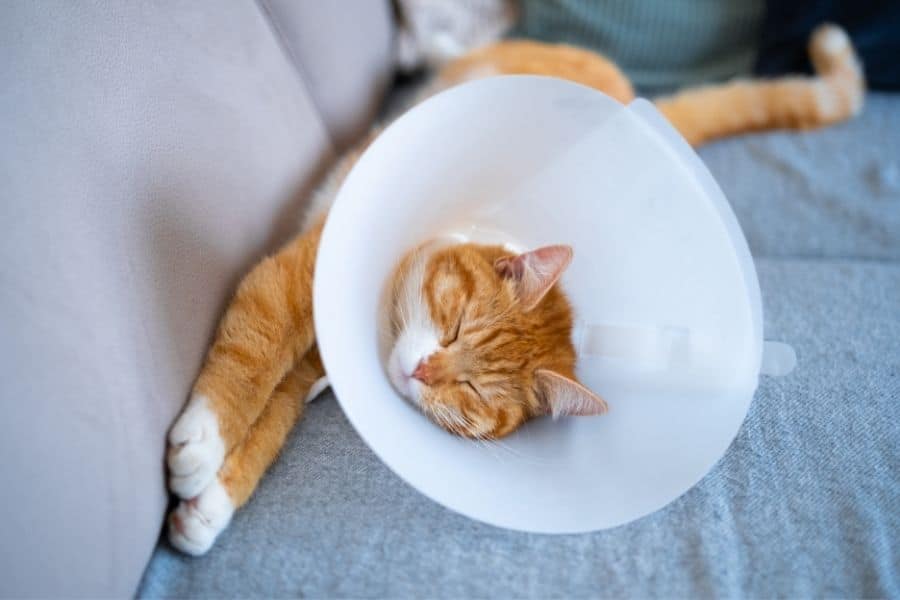
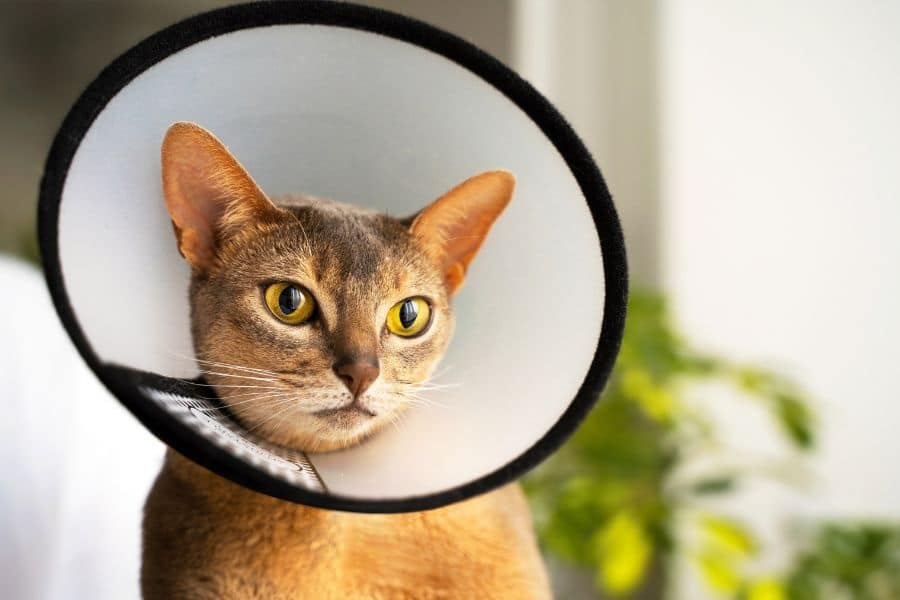
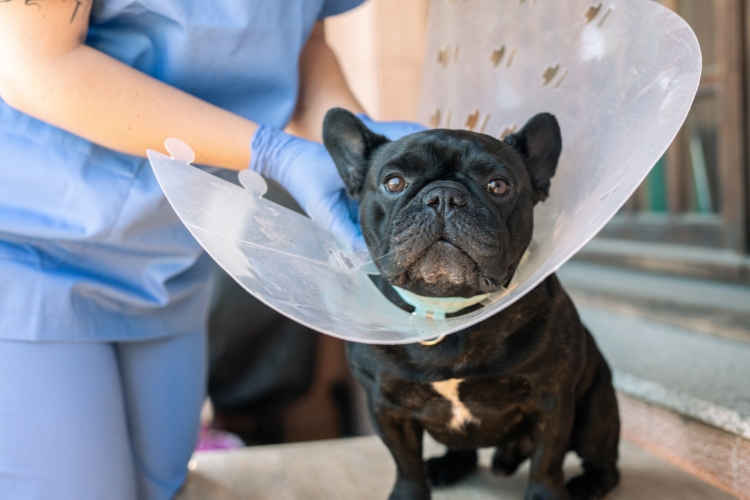
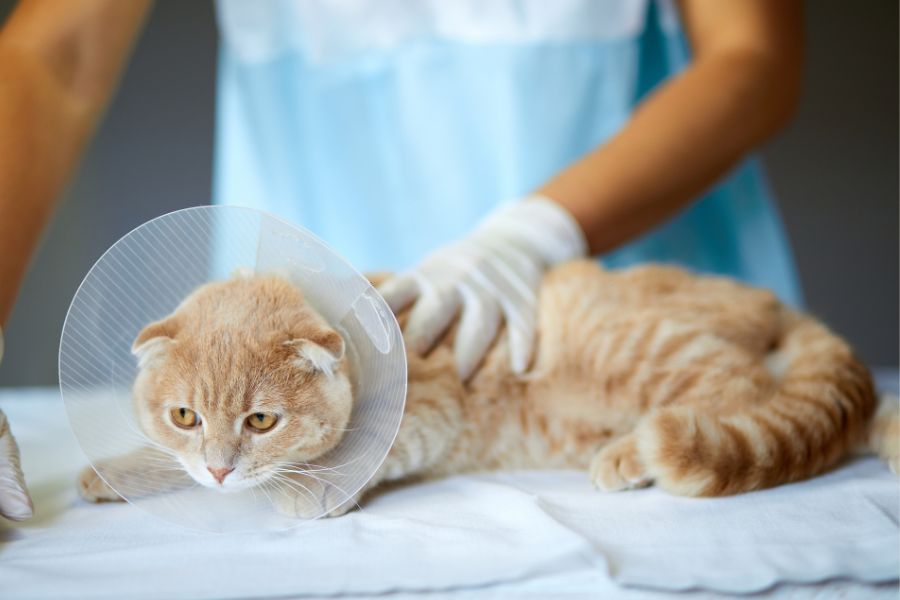
Avoid letting your cat lick or bite at the incision site, as this can cause infections or interfere with the healing process. You may need to use an Elizabethan collar (also called a “cone”) to prevent her from reaching the area. Although it may be uncomfortable at first, the collar will protect her from further damage.
3. Limit Physical Activity
While it’s tempting to let your cat roam around and resume her normal activities, it’s crucial to restrict her physical movement during the first few days after surgery. Jumping, running, or climbing could strain the incision site and slow down the healing process. Try to keep her indoors and prevent any rough play or activity that could hurt her.
As she starts to feel better, you can gradually increase her activity level. However, most cats need at least 7-10 days of rest before returning to their usual activities, depending on the advice of your veterinarian.
4. Provide Soft, Easy-to-Digest Food and Water
After surgery, your cat may not have much of an appetite right away. To help her regain strength, offer her soft, easy-to-digest food in small portions. Wet food or warmed-up dry food may be more appealing to a recovering cat. Make sure she has access to fresh water at all times to prevent dehydration.
If your cat is hesitant to eat, try offering her treats or her favorite food. If she continues to refuse food for more than 24 hours, contact your veterinarian for advice.
5. Administer Medications as Directed
Your veterinarian will likely prescribe pain medication or antibiotics after the surgery to help manage any discomfort and prevent infection. It’s important to follow the prescribed dosage and schedule exactly as directed.
Most pain medications are given orally, while antibiotics are typically in liquid form. Some cats may be difficult to administer medication to, so if you’re struggling, ask your veterinarian for tips on how to make the process easier. Never give your cat human medication, as some drugs can be toxic to animals.
6. Watch for Changes in Behavior
While it’s normal for your cat to feel a bit groggy after surgery, pay close attention to her behavior. If she seems unusually lethargic, vocalizes in pain, or excessively hides, it could be a sign of complications. Cats are good at hiding pain, so it’s important to monitor them closely and check for any unusual symptoms.
If your cat shows any signs of distress, contact your veterinarian right away. Swelling or inflammation around the surgical site, severe vomiting, or diarrhea could indicate a problem that requires immediate attention.
7. Follow-Up Vet Visits
After the spaying procedure, it’s essential to follow up with your veterinarian for a post-operative check-up. This visit allows the vet to assess how your cat is healing, remove any sutures (if necessary), and ensure there are no complications.
Typically, the follow-up appointment will occur within 7-10 days after the surgery. Be sure to keep this appointment and bring any concerns you might have about her recovery.
Taking care of a female cat after being spayed is vital to ensuring a smooth and quick recovery. By creating a quiet, safe space for her to rest, monitoring her surgical site, and limiting her physical activity, you’ll be supporting her healing process. Provide her with soft food, plenty of water, and any prescribed medications to aid in her recovery. If you follow these steps and keep a close eye on her behavior, your cat will be back to her playful self in no time.
If you’re looking for cat surgery in Rock Hill, SC, River’s Edge Animal Hospital is here to help. Our team provides top-notch care and support for your pet, ensuring they recover safely and comfortably after surgery.
FAQs
Q1. How long will it take for my female cat to recover after being spayed?
Ans. Recovery typically takes 7-10 days, but your cat may start feeling better within 24-48 hours.
Q2. Can my cat jump after being spayed?
Ans. No, it’s important to prevent your cat from jumping or climbing for at least 7-10 days to avoid straining the surgical site.
Q3. What should I do if my cat won’t eat after surgery?
Ans. Try offering soft food or her favorite treats. If she refuses to eat for more than 24 hours, consult your veterinarian.
Q4. Is it normal for my cat to be sleepy after surgery?
Ans. Yes, it’s normal for your cat to be groggy after anesthesia. However, if her lethargy lasts more than a couple of days, contact your vet.
Q5. How do I prevent my cat from licking her incision site?
Ans. You may need to use an Elizabethan collar (cone) to prevent her from licking or biting at the incision site.
Q6. What are the signs of infection after spaying surgery?
Ans. Redness, swelling, or discharge from the incision site, along with fever, excessive pain, or loss of appetite, may indicate infection.