
Bringing a new puppy home is one of the most heartwarming experiences you can have. Those tiny paws, wagging tails, and bright eyes can instantly fill your home with joy. However, as exciting as it is, caring for a new puppy also requires preparation, patience, and awareness. Your little furry friend depends entirely on you for safety, comfort, and love.
In this guide, you’ll learn practical ways to keep your puppy safe, happy, and comfortable at home. By following these tips, you’ll create a healthy environment where your new pet can thrive.
1. Puppy-Proof Your Home
Before your puppy arrives, make your home a safe haven. Puppies are naturally curious and love to explore every corner. Therefore, take time to identify and remove potential hazards.
Keep electrical cords, shoes, and small objects like coins or rubber bands out of reach. Store cleaning supplies and medications in closed cabinets. If you have stairs, use baby gates to prevent falls. Additionally, check your plants—some houseplants are toxic to dogs.
By creating a puppy-proof environment, you’ll prevent accidents and ensure your new companion can explore safely.
2. Set Up a Comfortable Sleeping Area
Your puppy needs a cozy and quiet spot to rest. Choose a calm area of your home where your puppy can sleep without distractions or noise. Provide a soft, washable bed with a few blankets for warmth.
Avoid placing the bed in areas that are too hot or too cold. You can also place a small stuffed toy or a piece of your clothing near the bed to help your puppy feel secure during the first few nights.
A designated sleeping area not only provides comfort but also helps your puppy establish a sense of belonging.
3. Establish a Routine
Consistency is key when caring for a puppy. Establishing a daily routine helps your puppy feel safe and understand what to expect. Set regular times for feeding, potty breaks, naps, and playtime.
A predictable schedule reduces anxiety and helps with training. Over time, your puppy will learn your household rhythm, which promotes good behavior and faster adjustment.
4. Feed a Balanced Diet
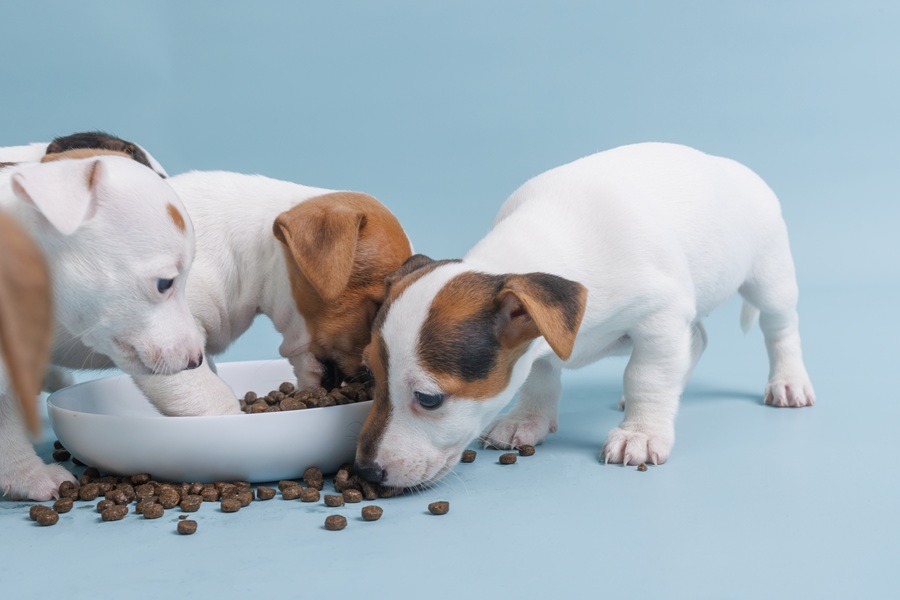
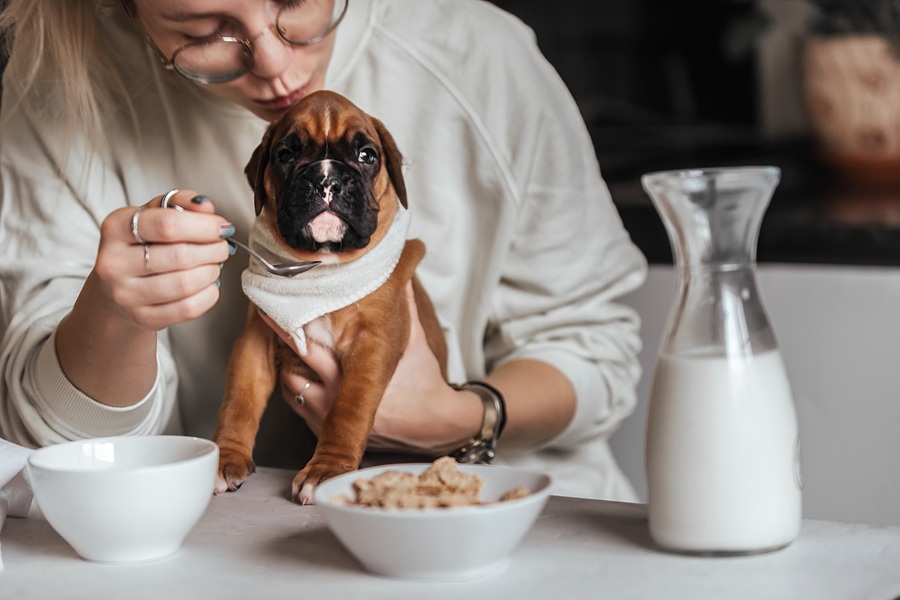
Proper nutrition is essential for your puppy’s growth and energy. Choose high-quality puppy food rich in protein, healthy fats, vitamins, and minerals. Avoid feeding human foods or table scraps, as they can upset your puppy’s stomach or cause long-term health issues.
Feed small, frequent meals throughout the day according to your veterinarian’s recommendations. Always keep fresh water available and clean the bowls regularly.
Healthy food fuels your puppy’s development and keeps them active and strong.
5. Provide Safe Toys and Chews
Puppies love to chew—it’s part of how they explore the world and ease teething discomfort. Offer durable, size-appropriate chew toys made from safe materials.
Avoid toys with small or detachable parts that can be swallowed. Rotate the toys regularly to keep your puppy entertained and mentally stimulated. Interactive toys, like puzzle feeders or treat balls, are great for building problem-solving skills while preventing boredom.
6. Begin Crate and Potty Training Early
Crate training gives your puppy a personal, secure space while supporting potty training. Choose a crate large enough for your puppy to stand, turn around, and lie down comfortably.
Add a soft mat, blanket, and a few toys inside the crate. Start by allowing short, positive crate sessions using treats and praise. Never use the crate for punishment—it should always feel like a safe zone.
With consistency, your puppy will learn to see the crate as their cozy den, helping them feel safe even when left alone.
7. Socialize Your Puppy Gradually
Socialization helps your puppy grow into a confident and friendly dog. Start introducing your puppy to new people, pets, and environments early—but do it gradually.
Begin with calm settings and increase exposure as your puppy gains confidence. Reward positive behavior with treats or praise. Proper socialization reduces fear, anxiety, and aggression as your puppy matures.
8. Schedule Regular Vet Visits
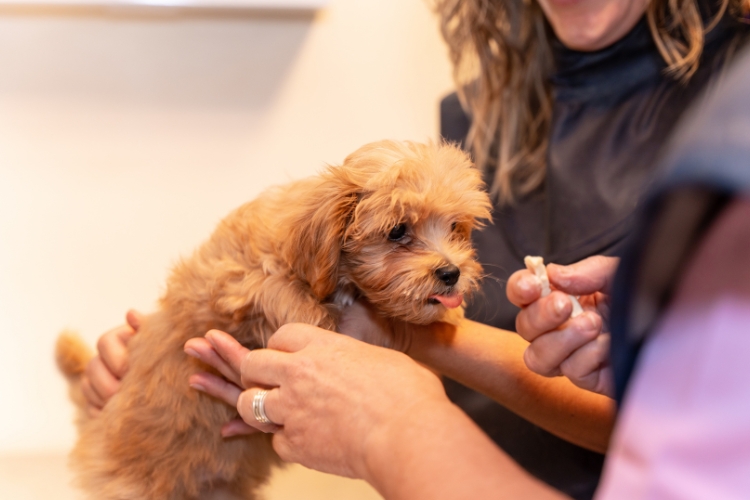
Your puppy’s health depends on regular veterinary care. Early vet visits ensure that vaccinations, deworming, and preventive treatments are done on time.
During these visits, your veterinarian can also check for early signs of illness, discuss dietary needs, and recommend the best preventive measures. Regular checkups set the foundation for a lifetime of good health.
Welcoming a new puppy into your home is both exciting and rewarding. By puppy-proofing your house, providing nutritious food, scheduling regular vet checkups, and offering plenty of love and attention, you create a safe and happy space for your furry friend to grow.
If you’re looking for expert puppy care in Rock Hill, SC, trust the caring professionals at River’s Edge Animal Hospital. Our veterinary team can guide you through every stage of your puppy’s development, ensuring your new companion enjoys a healthy and joyful life.