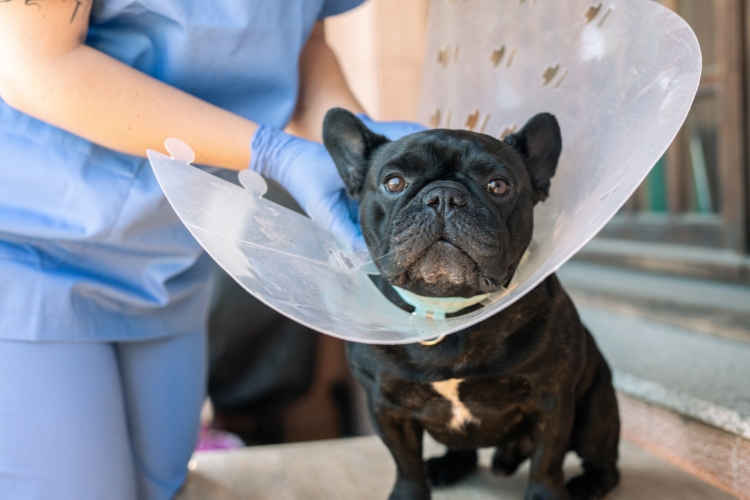

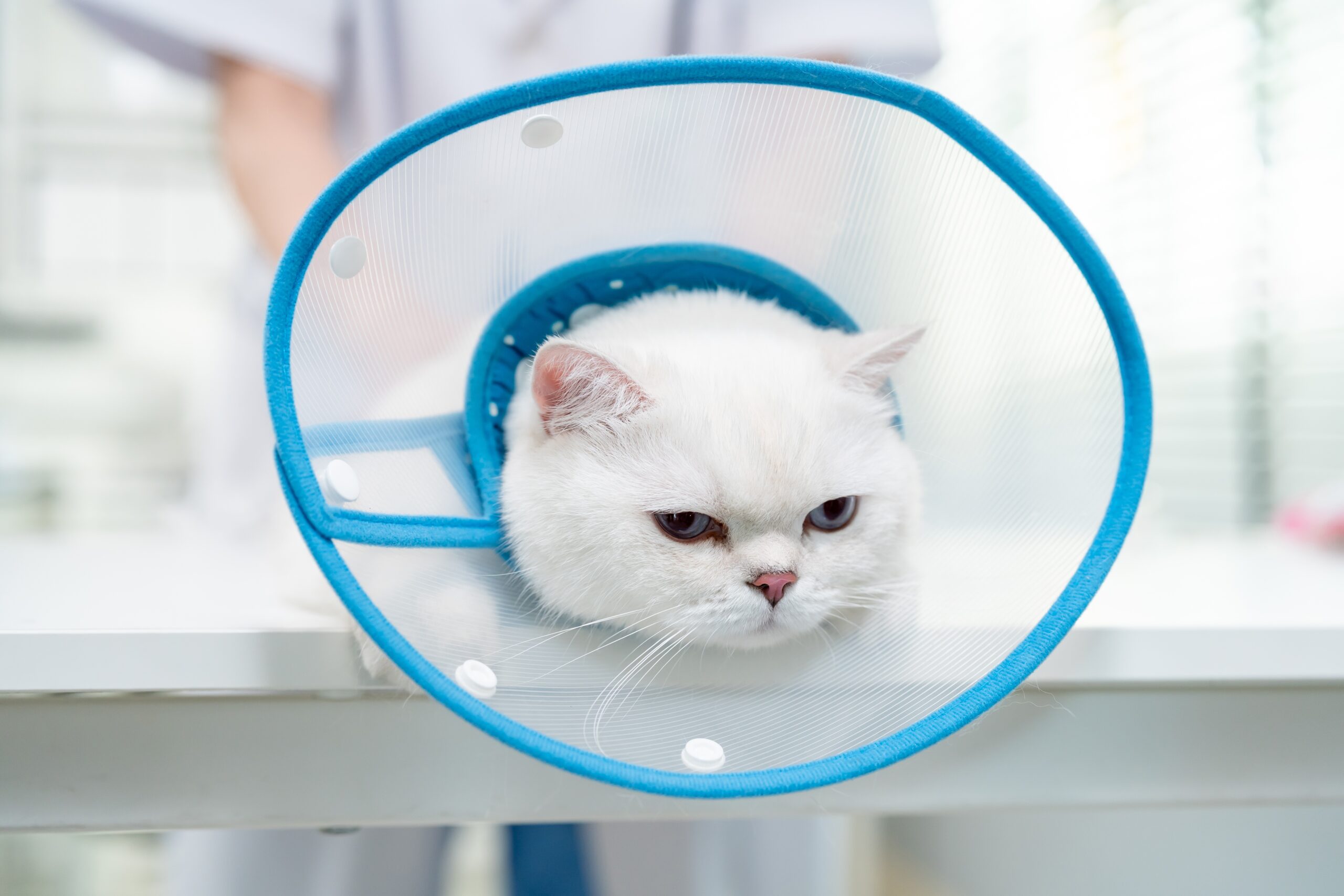
As a loving pet owner, you want the best for your furry friend. Spaying and neutering are crucial steps toward ensuring your pet lives a healthy and happy life. These common surgical procedures offer numerous benefits that extend beyond just controlling the pet population. In this article, we will explore why spaying and neutering your pet is essential, highlighting the health, behavioral, and societal advantages.
Understanding Spaying and Neutering
First, it’s important to understand what these procedures entail. Spaying refers to the surgical removal of a female pet’s reproductive organs, while neutering generally means the removal of a male pet’s testicles. Both surgeries prevent your pet from reproducing. However, they also come with many additional benefits that positively impact your pet’s quality of life.
Health Benefits for Your Pet
One of the most significant reasons to spay or neuter your pet is the health benefits. For female pets, spaying reduces the risk of uterine infections and almost eliminates the possibility of ovarian and breast cancers. These cancers are often fatal or costly to treat, so prevention is better than cure.
On the other hand, neutering male pets prevents testicular cancer and reduces the risk of prostate problems. These health issues can lead to pain, discomfort, and expensive veterinary care. Additionally, neutered pets often live longer, healthier lives because they are less prone to certain diseases.
Behavioral Improvements
Beyond health, spaying and neutering can improve your pet’s behavior. Intact animals often experience hormone-driven urges, such as roaming to find mates, marking territory with urine, and aggressive tendencies. These behaviors can be challenging to manage and even dangerous.
Once neutered or spayed, pets usually become calmer and more focused on their family environment. This makes training easier and reduces the risk of injuries related to fights or accidents while roaming. Consequently, your pet will likely have a more harmonious relationship with other pets and family members.
Population Control and Community Benefits
Another critical benefit is helping control the pet population. Every year, millions of unwanted pets end up in shelters or face euthanasia because there aren’t enough homes available. By spaying or neutering your pet, you actively contribute to reducing this problem.
Communities benefit from lower numbers of stray animals, which can spread diseases and create safety concerns. Responsible pet owners who spay or neuter their pets help build safer, healthier neighborhoods.
Cost Savings Over Time
Many pet owners worry about the upfront cost of surgery, but spaying and neutering often save money in the long run. Avoiding unexpected litters means fewer costs related to raising puppies or kittens, including food, vaccinations, and veterinary visits.
Moreover, spayed or neutered pets tend to require fewer emergency vet visits related to reproductive health issues or behavioral injuries. Investing in surgery early on is a financially sound decision that benefits both pets and owners.
When to Spay or Neuter Your Pet
Veterinarians generally recommend spaying or neutering pets between 4 and 6 months of age. However, the ideal timing may vary based on your pet’s breed, size, and health condition. It’s best to consult with your vet to determine the appropriate time.
Despite common myths, the surgery is safe and routine, with pets usually recovering quickly. Early intervention maximizes the benefits and minimizes the risks associated with reproductive health problems.
In summary, spaying and neutering your pet offers comprehensive benefits. These procedures enhance your pet’s health, reduce problematic behaviors, and help control the pet population. Furthermore, they are a cost-effective way to ensure your pet’s well-being over time.
If you live in Rock Hill, SC, and are considering these procedures, finding a trusted clinic for pet surgery in Rock Hill, SC, is essential. Choosing experienced veterinary professionals guarantees your pet receives the best care, ensuring a smooth procedure and fast recovery.
FAQs
Q1. Is spaying or neutering painful for pets?
Ans. The surgery is performed under anesthesia, so pets don’t feel pain during the procedure. Afterward, veterinarians provide pain relief to ensure a comfortable recovery.
Q2. Will my pet gain weight after being spayed or neutered?
Ans. Some pets may experience a decrease in metabolism, but with proper diet and exercise, weight gain can be easily managed.
Q3. Can spaying or neutering change my pet’s personality?
Ans. These procedures typically reduce aggressive or territorial behaviors but do not negatively impact your pet’s personality or affection toward you.
Q4. How long does recovery take?
Ans. Most pets recover within 7 to 10 days. It’s important to follow post-operative care instructions to ensure proper healing.
Q5. Are there any risks associated with these surgeries?
Ans. Spaying and neutering are generally safe. However, as with any surgery, there are minimal risks that your vet will discuss beforehand.
Q6. Can I spay or neuter my pet at any age?
Ans. While earlier is generally better, older pets can often be safely spayed or neutered as well. Always consult your veterinarian for advice.