
As pet owners, we want nothing more than for our furry friends to live long, healthy lives. However, just like humans, pets can experience a variety of health issues that, if left untreated, could reduce their quality of life and lifespan. Fortunately, veterinarians play a crucial role in ensuring that pets live longer, healthier lives. Whether through preventative care, early diagnosis, or effective treatments, veterinary professionals are dedicated to maintaining your pet’s well-being. This blog, especially for Rock Hill, SC, will explain how veterinarians help pets lead long, happy lives and why regular veterinary care is essential for your pet’s overall health.
1. Preventative Care to Keep Pets Healthy
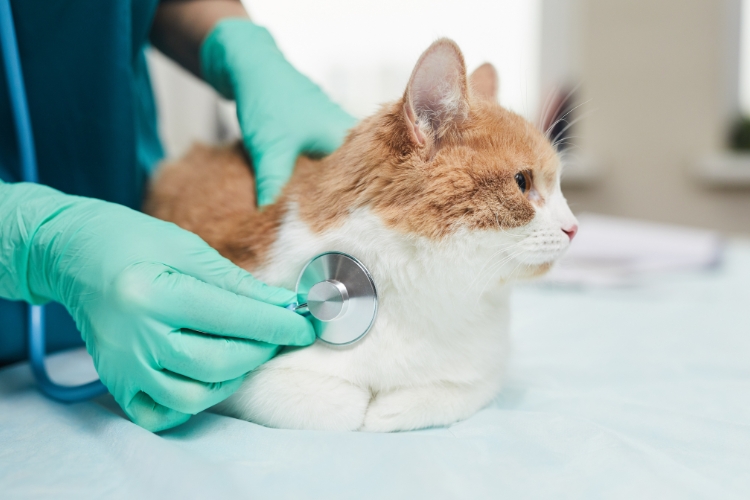
One of the most important roles veterinarians play is providing preventative care. Regular check-ups, vaccinations, and parasite prevention help prevent common diseases and health conditions that could shorten your pet’s lifespan. Much like humans, pets need routine exams to ensure they are in top shape. During these visits, veterinarians perform thorough physical exams, checking everything from your pet’s teeth to their skin, eyes, and ears.
How It Helps:
Preventive care can identify potential health risks early on, preventing the development of more serious conditions down the road. For instance, vaccines protect against diseases like rabies and parvovirus, which can be fatal if left untreated. Regular parasite prevention ensures that your pet isn’t at risk of diseases caused by ticks, fleas, or heartworms. By staying on top of preventive care, you’re setting your pet up for a longer, healthier life.
2. Early Diagnosis for Better Treatment
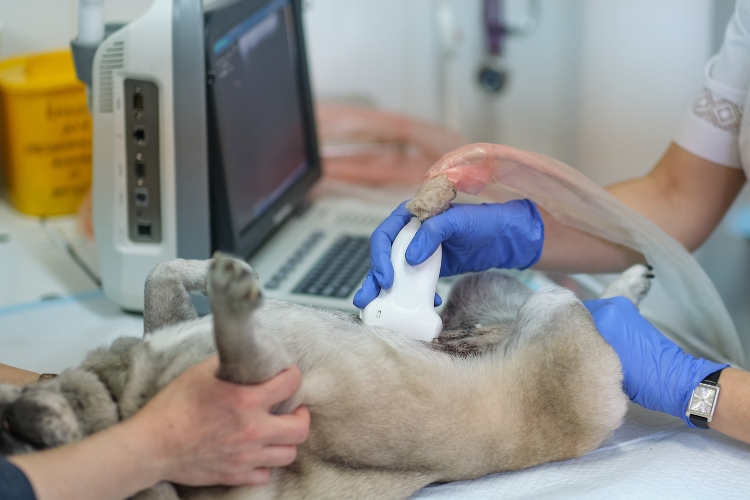
Veterinarians have the knowledge and tools to catch health problems early, sometimes before you even notice symptoms in your pet. Early diagnosis is key to managing health conditions more effectively, which can lead to a longer and healthier life for your pet. Regular veterinary visits allow vets to run diagnostic tests such as blood work, urinalysis, or X-rays to identify any internal issues.
How It Helps:
For example, certain conditions like kidney disease, diabetes, or cancer can be managed more successfully when caught early. By identifying these problems in the early stages, veterinary professionals can recommend treatment options that may help your pet live a longer, more comfortable life. Catching these conditions early can also prevent them from progressing into more serious or life-threatening stages.
3. Dental Care to Prevent Serious Health Issues
Dental health is often overlooked, yet it’s one of the most important aspects of your pet’s overall well-being. Many pets suffer from dental disease, which can lead to serious health problems like heart disease, kidney issues, or even diabetes. Veterinarians are essential in providing dental care, from routine cleanings to extractions of decayed teeth. Regular dental check-ups help ensure that your pet’s mouth, teeth, and gums are healthy, preventing painful infections and other complications.
How It Helps:
Keeping your pet’s teeth and gums healthy not only prevents bad breath and discomfort, but it can also improve their overall health. For example, untreated dental disease can lead to bacteria entering the bloodstream, which can affect vital organs. By addressing dental issues early on, preventing more serious health complications becomes a lot easier, and your pet will experience fewer painful dental problems.
4. Nutrition and Weight Management for a Longer Life
Proper nutrition and weight management are critical in ensuring that your pet stays healthy and active throughout their life. Veterinarians can help you choose the right food for your pet based on their age, breed, size, and any health conditions they may have. A proper diet ensures that your pet gets the nutrients they need to thrive and maintain a healthy digestive system, skin, and coat.
How It Helps:
Overweight pets are more prone to conditions like arthritis, heart disease, and diabetes, which can significantly shorten their lifespan. These professionals can provide valuable guidance on portion control, healthy treats, and exercise recommendations to keep your pet at an optimal weight. A healthy weight supports joint health, cardiovascular health, and a more active lifestyle, which ultimately contributes to a longer life for your pet.
5. Emergency Care for Unexpected Health Crises
Accidents and health crises can occur without warning. Whether it’s an unexpected injury or a sudden illness, your pet may require urgent veterinary care. Veterinarians are trained to handle medical emergencies and provide immediate care to stabilize your pet. Surgical interventions, medication, and rehydration therapy are just a few ways vets can help your pet recover from an emergency.
How It Helps:
Emergency care can save your pet’s life during traumatic events, such as poisoning, severe trauma, or allergic reactions. A vet’s ability to quickly diagnose and treat these situations can make all the difference in your pet’s recovery. By being prepared and knowing where to go in an emergency, you’re giving your pet the best chance for survival.
6. Specialized Care for Chronic Conditions
Just like humans, pets can develop chronic conditions as they age, such as arthritis, heart disease, or kidney failure. Veterinarians are trained to manage these conditions through a combination of medication, therapy, and lifestyle changes. For instance, pets with arthritis may benefit from joint supplements and physical therapy, while those with heart conditions might require specialized medications.
How It Helps:
With the right treatment, pets with chronic conditions can live long and fulfilling lives. Veterinary professionals can monitor these conditions regularly, adjust medications as needed, and help your pet stay as comfortable as possible. Specialized care ensures that your pet’s condition is managed effectively, allowing them to enjoy their daily activities without suffering.
Veterinarians play an indispensable role in helping pets live longer, healthier lives. Through preventative care, early diagnosis, dental health management, nutritional guidance, emergency care, and specialized treatment, vets ensure that pets get the best chance at a happy, comfortable life. Regular visits to the vet can help catch health problems before they become serious, improve your pet’s quality of life, and extend their years of companionship.
If you are in Rock Hill, SC, and looking for a veterinarian, book an appointment with River’s Edge Animal Hospital. Our veterinary team is committed to providing the best care for your pet, helping them live a longer, healthier life.
FAQs
Q1: How often should I take my pet to the veterinarian for check-ups?
A: Regular check-ups are essential for your pet’s health. Most pets should visit the vet at least once a year, but older pets or those with health concerns may need more frequent visits.
Q2: Can veterinarians help with my pet’s behavior issues?
A: Yes, veterinarians can offer advice on managing behavioral issues. They may recommend training or behavior modification techniques, or they can refer you to a veterinary behaviorist for more specialized care.
Q3: What are the signs that my pet is in pain and needs to see a veterinarian?
A: Signs of pain in pets include limping, whining, difficulty standing or walking, excessive licking or chewing, and changes in behavior. If you notice these, consult with your vet immediately.
Q4: How can I prevent dental disease in my pet?
A: Regular brushing, dental chews, and professional dental cleanings can help prevent dental disease. Veterinarians can recommend the best practices for maintaining your pet’s oral health.
Q5: What should I do if my pet has an emergency outside of regular office hours?
A: If your pet requires emergency care outside of regular hours, contact your nearest emergency veterinary hospital or an after-hours emergency service. Keep the contact information handy.
Q6: How do I know if my pet is overweight?
A: Your veterinarian can help you determine if your pet is overweight through physical exams and weight assessments. They can recommend a healthy diet and exercise plan tailored to your pet’s needs.