
Bringing a puppy into your home is a joyful experience, but it also comes with a lot of responsibilities. As a new pet owner, you want to ensure that your puppy gets the best care possible during their first year. From proper nutrition and vaccinations to socialization and training, the first year of your puppy’s life is critical for their long-term health and happiness.
This blog, especially for puppy owners in Rock Hill, SC, will guide you through the essential steps of puppy care in the first year. Whether you’re a first-time puppy parent or adding another furry friend to your family, this guide will provide expert advice on raising a healthy, happy, and well-adjusted puppy.
1. Preparing for Your Puppy’s Arrival
Before your new puppy even steps through the door, it’s important to prepare your home for their arrival. Puppies, especially in the first few weeks, need a safe and calm environment to adjust to their new surroundings. This preparation is crucial for easing the transition and making your puppy feel comfortable in their new home.
Key Preparations:
- Puppy-Proof Your Home: Puppies are naturally curious, and they explore the world with their mouths. Before bringing your puppy home, make sure to remove any potentially hazardous objects, such as electrical cords, small items that could be swallowed, and toxic plants. Baby-proofing your space will help protect your puppy from harm.
- Create a Safe Space: Set up a quiet area where your puppy can rest and settle in. This should be a comfortable spot with a soft bed, food and water bowls, and a crate for safe sleeping. A confined space can help your puppy adjust to their new home without feeling overwhelmed.
- Gather Essential Supplies: Before bringing your puppy home, make sure you have all the necessary supplies ready. These include a collar, leash, food and water dishes, puppy food, a crate, grooming tools, and toys. Having everything prepared will help your puppy feel more at ease right away.
Setting up a puppy-friendly environment before their arrival will help your puppy adjust to their new life with you. It’s essential to create a safe and comfortable space where they can begin their journey.
2. Feeding Your Puppy Properly
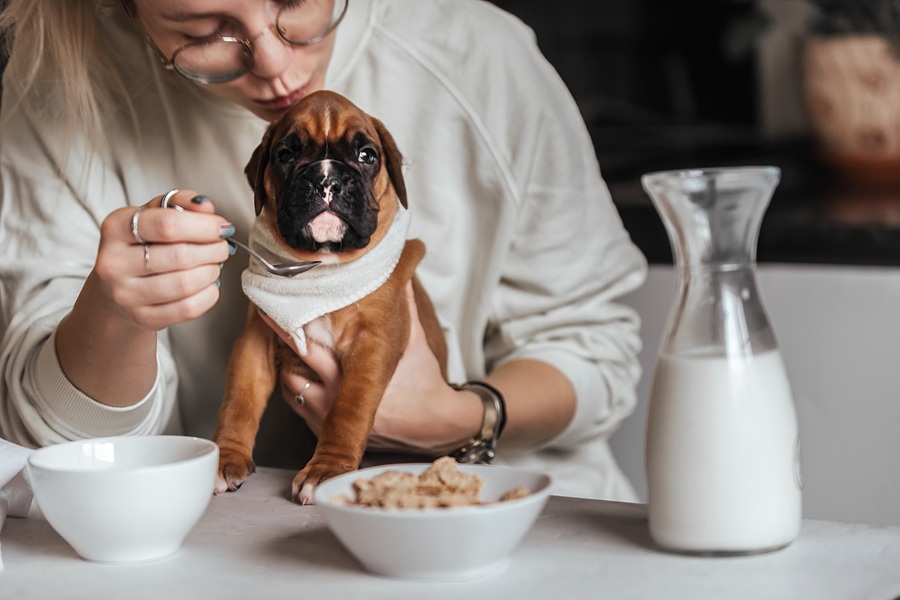
One of the most important aspects of puppy care is providing the right nutrition. Puppies require a special diet that supports their rapid growth and development. Proper nutrition is essential for building strong bones, muscles, and organs, as well as ensuring a healthy immune system.
What to Feed Your Puppy:
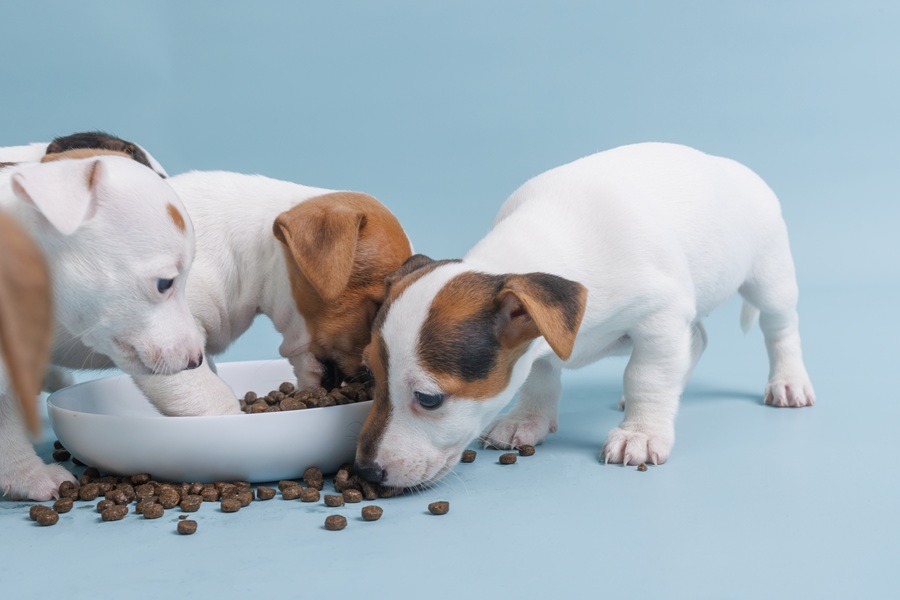
- Choose Puppy-Specific Food: Look for food specifically formulated for puppies. Puppy food is richer in protein, fat, and other essential nutrients than adult dog food. This helps support their growth during this critical stage of life.
- Meal Frequency: During the first few months, puppies need to eat more frequently than adult dogs. Typically, you should feed your puppy 3 to 4 meals per day, depending on their age and breed. As they grow, you can reduce their meals to two times a day.
- Portion Control: It’s important to follow the feeding guidelines on your puppy’s food packaging or your veterinarian’s recommendation. Overfeeding can lead to obesity, while underfeeding may result in poor growth.
Be sure to also provide your puppy with fresh water at all times, as hydration is crucial for their overall health.
3. Socializing Your Puppy
Socialization is an essential part of puppy care. The first year of your puppy’s life is when they form critical behaviors and learn how to interact with people, other animals, and different environments. Proper socialization helps your puppy grow into a well-adjusted and confident adult dog, reducing the risk of anxiety and fear-based behavior problems.
How to Socialize Your Puppy:
- Introduce New Experiences Gradually: Expose your puppy to different environments, sounds, and people, but do so gradually. Positive experiences with new things will help them become well-adjusted.
- Meeting New People and Animals: It’s important to introduce your puppy to new people and animals in a calm and controlled manner. Start with close family and friends, then gradually introduce your puppy to new faces and environments. Ensure that the experiences are positive and stress-free.
- Allow Playtime with Other Puppies: Puppy playdates are a great way to help your puppy learn social skills and proper canine behavior. These early interactions with other dogs can help your puppy develop confidence and social skills.
Socialization during the first year is key to raising a well-behaved dog that is comfortable in various situations and around people and animals.
4. Veterinary Care and Vaccinations
Routine veterinary visits are crucial for your puppy’s health, especially during their first year. Regular check-ups ensure that your puppy is growing and developing properly and help catch any potential health issues early. Puppies are particularly vulnerable to infections and parasites, so vaccinations and wellness exams are essential.
Parasite Control:
- Flea and Tick Prevention: Puppies are susceptible to fleas and ticks, which can lead to health issues. Regular flea and tick prevention is essential for keeping your puppy safe from these parasites.
- Deworming: Kittens and puppies are often born with intestinal parasites, so deworming is crucial. Your veterinarian will recommend a deworming schedule to ensure your puppy remains parasite-free.
By keeping up with your puppy’s vaccinations and wellness exams, you ensure that they are protected from serious diseases and health complications.
5. Grooming and Bathing Your Puppy
Regular grooming is an important aspect of puppy care. Grooming keeps your puppy clean, healthy, and free from parasites. It’s also an opportunity to check your puppy’s coat, skin, ears, and paws for any issues.
Grooming Tips:
- Brushing: Regular brushing is necessary to keep your puppy’s coat healthy and free from tangles. Start brushing your puppy early to get them used to the process. Use a soft brush appropriate for your puppy’s coat type.
- Bathing: Puppies don’t need frequent baths unless they get dirty. When you do bathe them, use a gentle puppy-safe shampoo to avoid irritating their sensitive skin.
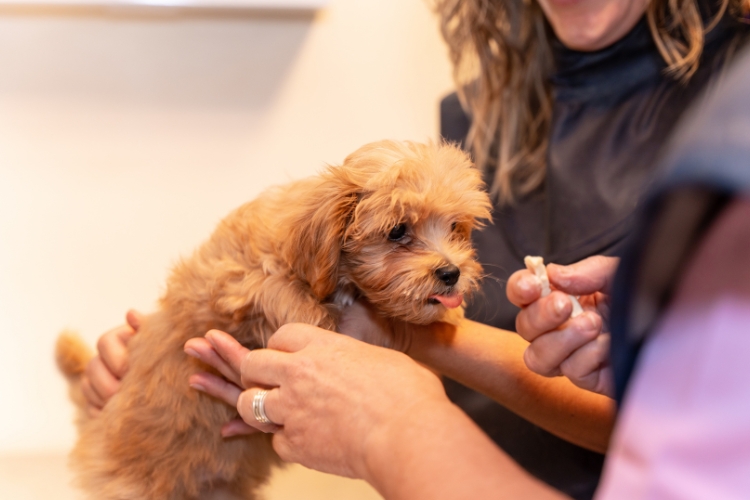
- Nail Trimming: Trim your puppy’s nails every 2-3 weeks to keep them from becoming too long or sharp. Puppies’ nails grow quickly, so regular trimming is important.
Getting your puppy used to grooming at an early age will help make future grooming sessions easier for both of you.
6. Training Your Puppy
Training is an essential part of puppy care, and it should begin as soon as you bring your puppy home. Early training helps your puppy learn proper behavior, basic commands, and potty training.
Training Tips:
- Potty Training: Consistency is key. Take your puppy outside frequently, especially after meals, naps, and playtime. Praise them when they do their business outside, and be patient as they learn.
- Basic Commands: Start with simple commands like “sit,” “stay,” and “come.” Use positive reinforcement such as treats and praise to encourage good behavior.
- Leash Training: Begin leash training as early as possible. Get your puppy used to wearing a collar and walking on a leash, and practice indoors before taking them outside.
Training your puppy early on will help set them up for success and ensure that they grow into a well-behaved dog.
Taking care of a puppy requires time, patience, and love. By following these essential tips for puppy care, you can ensure that your puppy grows into a happy, healthy, and well-adjusted adult dog. From providing proper nutrition and training to ensuring regular veterinary care and grooming, you are setting the foundation for your puppy’s lifelong well-being.
If you’re in Rock Hill and looking for puppy care near you, schedule an appointment with River’s Edge Animal Hospital. Our veterinary team is dedicated to providing the best care for your puppy, from vaccinations and health check-ups to training and socialization. Schedule an appointment with us today to ensure your puppy has the best start in life.
FAQs
Q1. When can I bring my puppy home?
Ans. You can typically bring your puppy home at 8-12 weeks of age once they are fully weaned and ready for socialization and training.
Q2. What should I feed my puppy?
Ans. Feed your puppy high-quality, puppy-specific food that is rich in protein and essential nutrients. Consult with your veterinarian for the best food for your puppy’s needs.
Q3. How often should I feed my puppy?
Ans. Puppies should be fed 3-4 times a day during the first few months. As they grow, you can reduce the number of meals to 2 per day, but always provide fresh water.
Q4. How do I know if my puppy is sick?
Ans. Signs of illness include lethargy, loss of appetite, diarrhea, vomiting, or coughing. If your puppy shows any of these symptoms, contact your veterinarian.
Q5. When should I spay or neuter my puppy?
Ans. Puppies should be spayed or neutered around 5-6 months of age. This helps prevent unwanted litters and can improve their long-term health.
Q6. How do I socialize my puppy?
Ans. Gradually expose your puppy to different environments, people, and other pets. Positive interactions will help them become comfortable and well-adjusted.