
As pet owners, we all want the best for our furry friends. Ensuring their long-term health and happiness is a primary concern, but how can we be sure we’re providing the care they need? One of the best ways to ensure your pet’s well-being is to rely on professional veterinary care. In this blog, we’ll explore how veterinarians support your pet’s long-term health, offering insights, practical tips, and guidance to keep your pet happy for years to come.
This guide is especially for those pet owners in Rock Hill, SC, as we discuss the importance of regular visits to the vet and other ways veterinary professionals help. Whether your pet is a young pup, a curious kitten, or a wise senior, understanding the role of veterinarians in your pet’s care can make a significant difference. From routine checkups to personalized care, veterinarians provide the specialized care your pet may need to address any health concerns. Let’s dive into how they ensure your pet’s health is in good hands.
The Vital Role of Veterinary Care for Pets
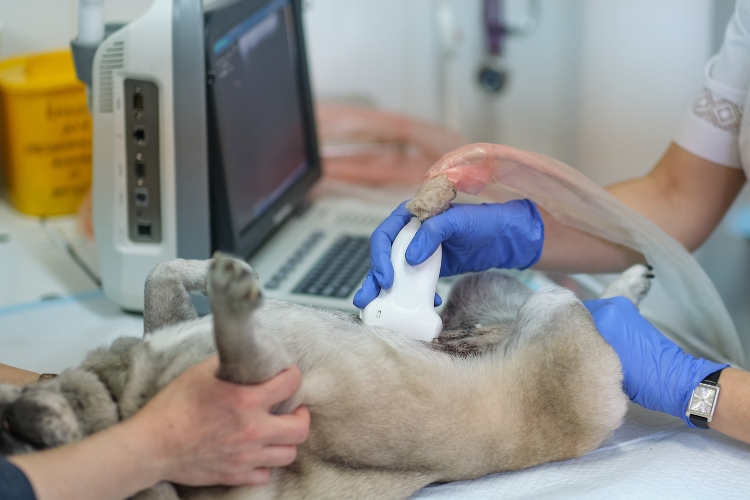
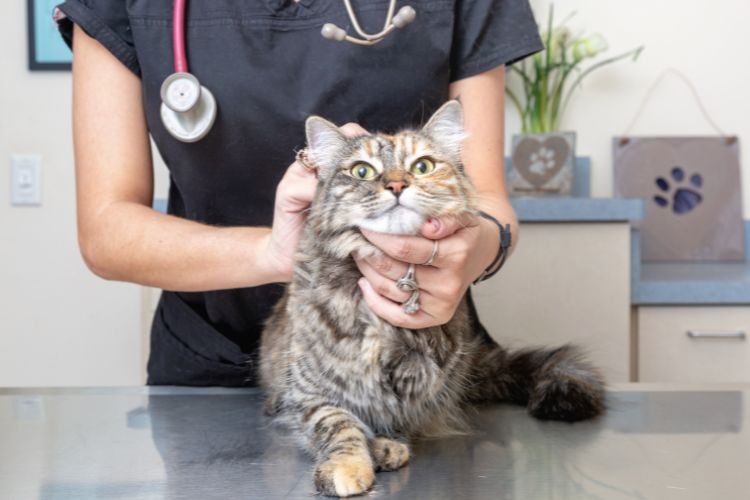
Veterinary care is essential for pets at every stage of life. From routine wellness exams to treating more complex conditions, a veterinarian is your trusted partner in maintaining your pet’s well-being. They are trained to spot early signs of illness that often go unnoticed by pet owners.
Many pet owners don’t realize that regular checkups can prevent serious health issues. For instance, early detection of dental disease, heart problems, or joint issues can lead to more effective treatments, saving your pet from unnecessary pain and suffering. Regular visits to your vet also help establish a baseline for your pet’s health, which is crucial for monitoring changes over time.
Veterinary Support Benefits for Your Pet’s Well-Being
Veterinary care isn’t just about treating illness; it’s about keeping your pet healthy and preventing disease before it starts, ensuring that your pet leads a long, healthy, and happy life. The role of a veterinarian extends beyond treatment; they are educators, providing pet owners with the tools to make informed decisions about their pets’ care.
Pets of all ages, breeds, and sizes benefit from regular vet visits. Whether it’s a puppy needing vaccinations, an adult pet requiring a wellness exam, or a senior animal facing age-related issues, your vet is there to help. Additionally, the emotional bond between you and your pet is strengthened when you see them in good health, thanks to proper care.
Preventative Veterinary Care to Safeguard Your Pet
Preventative Care: The Key to a Healthy Life
One of the most important aspects of veterinary care is preventative measures. Preventative measures help catch problems early, making them easier and less costly to treat. Here’s a breakdown of some essential preventative care that animal doctors emphasize:
- Vaccinations: Protecting your pet from serious diseases like rabies, distemper, and parvovirus is crucial. Vaccines are tailored to your pet’s age, lifestyle, and local environment.
- Parasite Control: Fleas, ticks, and worms can cause discomfort and transmit diseases. A veterinarian provides parasite prevention plans based on your pet’s risk factors.
- Routine Checkups: Annual exams are vital for monitoring your pet’s overall health. Your vet will check for signs of illness and provide advice on maintaining your pet’s well-being.
Pet Nutrition and Weight Management
A proper diet is a cornerstone of your pet’s health. Veterinarians help guide you on the best food choices for your pet’s specific needs, whether that’s tailored nutrition for a growing puppy or a weight management plan for a senior dog. Proper nutrition supports a healthy immune system, a shiny coat, and strong bones, all of which are essential for long-term happiness.
Specialized Veterinary Services for Long-Term Health
Dental Health for Lifelong Happiness
One often overlooked aspect of pet care is dental health. Like humans, pets need regular dental checkups to avoid tooth decay, gum disease, and other dental issues. Your veterinarian can perform dental cleanings and check for signs of dental disease, which can lead to heart problems if left untreated.
Here are some key points animal doctors focus on regarding pet dental health:
- Routine Teeth Cleaning: This removes tartar and prevents gum disease.
- Signs of Dental Disease: Bad breath, drooling, or difficulty eating can indicate dental problems.
- Home Care: Your veterinarian may suggest brushing your pet’s teeth or providing dental chews to help maintain their oral health.
Joint Health and Mobility
As pets age, joint problems such as arthritis can become a significant concern. Veterinarians offer treatments and advice on managing joint pain, keeping your pet mobile, and improving their quality of life. Common options include:
- Joint Supplements: These can help slow the progression of arthritis and improve mobility.
- Physical Therapy: Some veterinary practices offer rehabilitation services to help pets recover from injuries or surgeries.
- Pain Management: Veterinarians can provide pain relief options tailored to your pet’s specific needs.
The Benefits of Veterinary Care for Emotional Improvement
Strengthening the Bond With Your Pet
Regular visits to the veterinarian strengthen the bond between you and your pet. When you actively care for their health, your pet feels more secure and loved. Vets also help ease your pet’s anxiety by creating a comfortable environment during visits. Over time, this builds a sense of trust and relaxation, not only improving their emotional well-being but also yours.
Reducing Anxiety Through Knowledge
One of the significant benefits of visiting a veterinarian is the reassurance they provide. When you’re unsure about a health issue or what preventive care your pet needs, your vet offers answers and advice that ease your mind. With regular checkups, you can feel confident that your pet is getting the best care possible.
Role of Veterinarians in Maintaining Long-Term Health
Veterinarians provide vital services that impact your pet’s long-term health and happiness. From routine vaccinations to complex surgeries, they are there to support every stage of your pet’s life. A healthy pet is a happy pet, and maintaining their well-being means more quality time together for years to come.
The Impact of Early Intervention
The earlier you can address health concerns, the better the outcome. Whether it’s identifying a skin condition, managing dental problems, or monitoring organ function, early intervention is key to avoiding more severe complications. Regular veterinary visits help your pet live a long, happy, and healthy life, filled with the energy and joy every pet deserves.
Your Pet’s Long-Term Health is in Good Hands
Veterinary care helps build a foundation of health that will support your pet’s happiness for years to come. By seeking out professional care, you ensure that your pet has the best chance of leading a long, vibrant life. Don’t wait for symptoms to appear; proactive care is the key to a healthy, happy pet.
If you are in Rock Hill and looking for veterinarian near you, book an appointment with River’s Edge Animal Hospital. Our team is dedicated to providing personalized care, from routine wellness exams to addressing specific health concerns. Taking this step today can make a lasting difference in your pet’s overall well-being and quality of life.
FAQs
1. What should I do if my pet is acting differently?
If your pet is showing signs of illness or discomfort, it’s important to consult a veterinarian immediately. Changes in behavior, eating habits, or energy levels could indicate an underlying issue that needs professional attention.
2. How often should I take my pet to the vet?
For most pets, an annual checkup is recommended. However, senior pets or those with health concerns may need more frequent visits. Your vet can provide a schedule tailored to your pet’s needs.
3. What are the signs of dental disease in pets?
Bad breath, red or swollen gums, difficulty eating, and drooling can be signs of dental disease. Regular dental checkups and at-home care can help prevent these issues.
4. How can I keep my pet at a healthy weight?
Proper nutrition and regular exercise are essential for weight management. Your vet can help you create a tailored feeding plan and suggest activities to keep your pet fit and healthy.
5. Are vaccinations necessary for indoor pets?
Yes, even indoor pets are at risk of certain diseases. Vaccinations help protect them from illness, especially when they encounter other animals or new environments.
6. How can I tell if my pet is in pain?
Signs of pain in pets can include limping, difficulty moving, changes in behavior, excessive grooming, or vocalizing. If you notice any of these symptoms, consult your vet to determine the cause and get appropriate treatment.