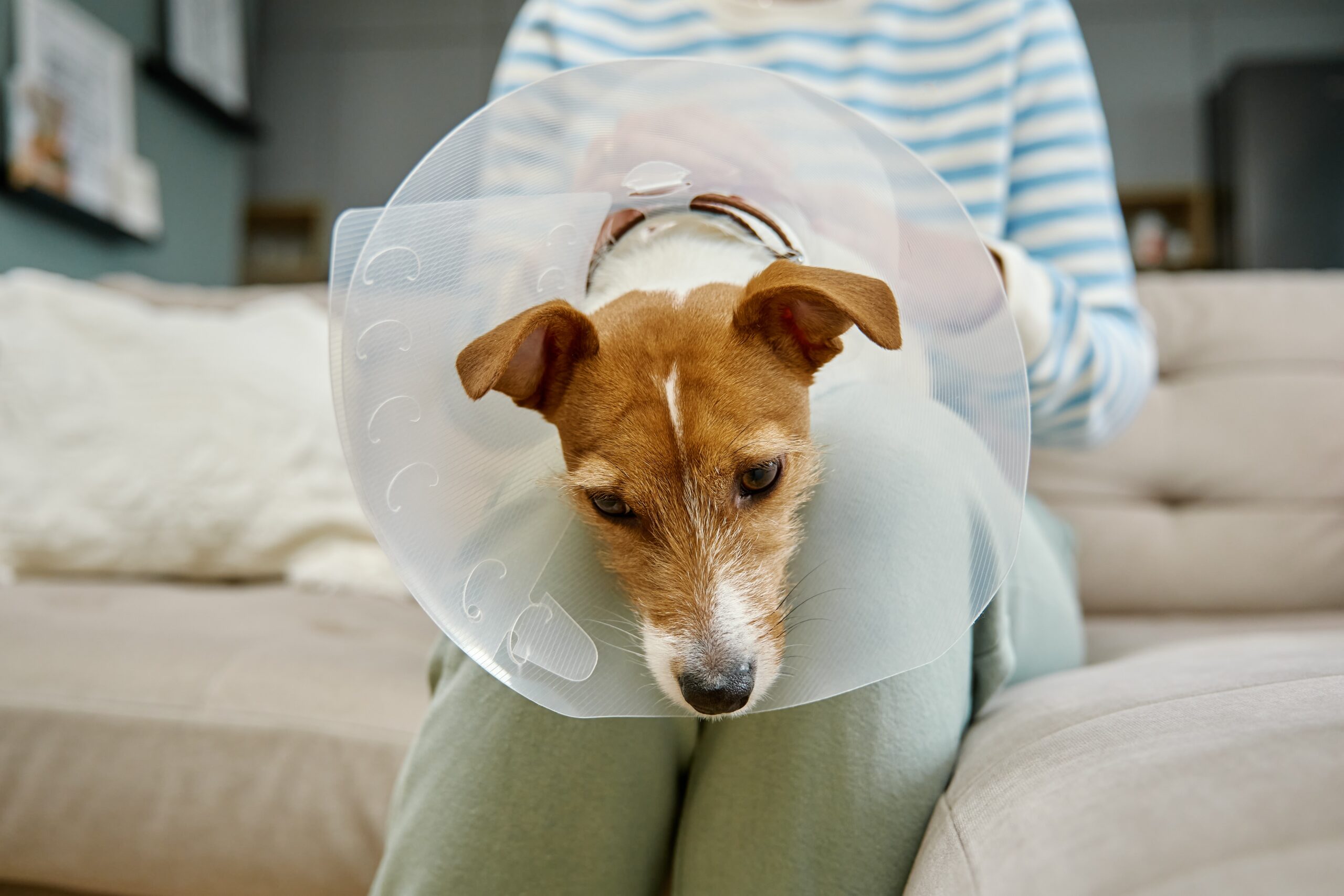

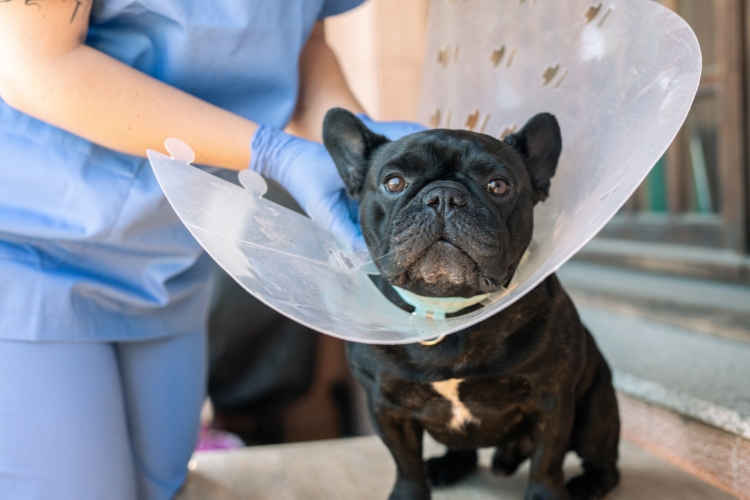
Caring for a pet involves much more than daily feeding, playtime, and routine veterinary visits. Over the course of their lives, many pets will need medical procedures to address health concerns that cannot be managed through medication alone. Understanding common pet surgeries helps pet owners feel prepared, informed, and confident when facing these important decisions for their furry companions.
This blog is especially for pet owners in Rock Hill, SC, who want clear and practical information about surgical care for their pets, along with guidance on what to expect before, during, and after these procedures at a trusted local veterinary practice in their community.
At River’s Edge Animal Hospital, pet owners are guided through each step of the surgical process with clear communication and thoughtful care plans designed to support both pets and their families.
Why Common Pet Surgeries Matter More Than You Think
Pets often hide signs of discomfort, which can make it difficult to recognize health issues early. Many conditions gradually progress until surgery becomes the most effective way to restore normal function and comfort.
Common Reasons for Surgery
- Treating injuries that affect movement or daily activity.
- Addressing infections that do not respond to medication.
- Correcting internal issues that impact organ function.
- Preventing conditions from becoming more serious over time.
When performed at the right time, common pet surgeries can help pets return to their normal routines with greater ease and improved comfort.
Spaying and Neutering: Small Procedures with Lifelong Impact
Spaying and neutering are among the most commonly performed surgeries in veterinary care. These procedures involve removing reproductive organs in female and male pets, respectively.
Health and Behavior Benefits
- Reduced risk of certain cancers and infections.
- Decreased roaming and risky behavior patterns.
- More balanced and manageable temperament in many pets.
These procedures contribute to healthier, longer lives while also supporting better behavior and safety for pets at home and outdoors.
Dental Surgery: Supporting Health Beyond the Mouth
Dental care is a critical but often overlooked aspect of pet health. Dental surgeries, including tooth extractions and deep cleanings under anesthesia, are common procedures for pets that address serious oral issues.
Signs Your Pet May Need Dental Care
- Persistent bad breath that does not improve.
- Difficulty chewing or dropping food frequently.
- Swollen or bleeding gums during normal activity.
Untreated dental disease can lead to infections that affect major organs. Surgical care helps remove infection and restore comfort, allowing pets to eat and behave normally again.
Tumor Removal: Acting Early Makes a Difference
Tumor removal is a common pet surgery that can greatly improve a pet’s comfort and overall health. Tumors may be benign or malignant, and early detection plays an important role in successful outcomes.
Benefits of Early Tumor Removal
- Prevents growth that can interfere with movement.
- Reduces discomfort caused by pressure or irritation.
- Helps stop the potential spread to other areas.
Many pets show noticeable improvement in energy and mobility after tumor removal, especially when the issue is addressed early.
Orthopedic Surgery: Helping Pets Stay Active and Mobile
Orthopedic procedures focus on bones, joints, and ligaments, making them essential for pets with mobility challenges. These common pet surgeries are often recommended for injuries or structural issues.
Conditions That May Require Orthopedic Surgery
- Torn ligaments that affect stability
- Bone fractures from accidents or falls
- Joint issues that limit movement or cause discomfort
Recovery involves rest and a gradual return to activity, allowing pets to regain strength and resume their normal routines with improved mobility.
Soft Tissue Surgery: Addressing Internal Health Concerns
Soft tissue surgeries include procedures involving internal organs and structures. These common pet surgeries are necessary when non-surgical treatments cannot resolve the issue.
Examples of Soft Tissue Procedures
- Removal of bladder stones causing urinary discomfort
- Treatment of digestive blockages from foreign objects
- Repair of wounds or internal damage
These procedures help restore normal body function and provide relief from conditions that could otherwise become serious.
Emergency Surgeries: When Every Moment Counts
Emergency situations can arise without warning and require immediate surgical attention. These cases often involve serious conditions that need urgent care.
Situations That May Require Emergency Surgery
- Injuries from accidents or trauma
- Internal bleeding that affects vital functions
- Ingestion of harmful or toxic substances
Quick action plays a major role in improving outcomes, and timely surgery can make a life-changing difference for pets in critical situations.
How Common Pet Surgeries Improve Everyday Life
The purpose of common pet surgeries goes beyond treating medical issues, as they also improve a pet’s overall quality of life. Many pets experience relief from pain and regain the ability to move and interact comfortably.
Positive Changes After Surgery
- Increased energy and willingness to play
- Improved appetite and eating habits
- Better mobility and reduced physical discomfort
These improvements allow pets to enjoy their daily routines and interactions with their families more fully.
What to Expect Before and After Surgery
Understanding the process helps reduce uncertainty and allows pet owners to prepare effectively for their pet’s procedure.
Before Surgery
- The vet will perform a thorough health evaluation
- You may receive instructions about fasting and preparation
- Questions and concerns can be discussed in advance
After Surgery
- Your pet will need a calm and quiet recovery space
- Medications may be prescribed to support healing
- Follow-up visits help ensure proper recovery progress
Providing attentive care during this time helps your pet recover safely and comfortably.
Choosing the Right Veterinary Support
Finding a veterinary practice that communicates clearly and supports you throughout the process is essential. Having a reliable team ensures that you understand every step of your pet’s care and recovery.
Strong communication and consistent guidance help pet owners feel more confident when making decisions about surgery.
Preventive Care Still Plays an Important Role
While many common pet surgeries are necessary, preventative care can help reduce the chances of certain conditions developing. Regular checkups and healthy habits contribute to better long-term outcomes.
Everyday Preventive Steps
- Schedule routine veterinary visits
- Provide balanced nutrition suited to your pet’s needs
- Monitor for changes in behavior or activity
Taking these steps helps detect issues early and supports your pet’s overall well-being.
Surgical Services Available for Your Pet
Your pet relies on you to make decisions that support their comfort, health, and happiness throughout every stage of life. Understanding common pet surgeries helps you take informed action when your pet needs care beyond routine treatment.
At River’s Edge Animal Hospital, a wide range of common pet surgeries is available to support pets through different stages of life. Services include spaying and neutering, dental procedures, tumor removal, orthopedic care, and soft-tissue surgeries, all tailored to each pet’s specific health needs and recovery requirements.
If you’re in Rock Hill, now is the right time to connect with a trusted veterinary team that will guide you through every stage of your pet’s surgical care and recovery journey with clarity and support. Book an appointment with River’s Edge Animal Hospital today to ensure your pet receives the care they need to live a healthier, more comfortable, and active life.
FAQs
1. How do I know if my pet truly needs surgery?
The veterinarian will recommend surgery after a thorough examination and diagnostic testing to confirm the condition. Common pet surgeries are usually advised when other treatment options are not effective or when delaying the procedure could worsen your pet’s health and overall quality of life.
2. How long does it usually take for pets to recover after surgery?
Recovery time depends on the type of surgery and your pet’s overall health condition. Minor procedures may require only a few days of rest, while more involved surgeries can take several weeks, along with follow-up visits to ensure proper healing and progress.
3. Will my pet be in pain after surgery?
Some level of discomfort is expected after surgery, but veterinarians provide medications and care instructions to manage it effectively. Most pets begin to feel better within a few days, especially when post-surgical care guidelines are followed closely at home.
4. Can older pets safely undergo common pet surgeries?
Age alone does not determine whether a pet can have surgery. Veterinarians evaluate overall health, organ function, and any underlying conditions before recommending a procedure. Many older pets successfully undergo surgery and experience improved comfort and mobility afterward.
5. What can I do at home to support my pet’s recovery?
Creating a calm and quiet space for your pet is very important during recovery. Make sure your pet avoids excessive movement, follows medication schedules, and attends all follow-up appointments at River’s Edge Animal Hospital to ensure proper healing and long-term well-being.