

Pet owners want clear answers when something seems wrong with their animal companion. Changes in behavior, appetite, or energy levels often signal underlying health concerns that require further evaluation. One of the most valuable diagnostic tools used in veterinary care today is ultrasound imaging, which helps identify internal issues without invasive procedures. Understanding when veterinarians recommend this test can help you act quickly and confidently.
This blog is especially for pet owners in Rock Hill, SC, who are looking for clear guidance about when ultrasound imaging may be recommended for their pets, what symptoms to watch for, and how early diagnostic care can support better health outcomes and long-term comfort for their beloved companions at home.
At River’s Edge Animal Hospital, ultrasound imaging plays an important role in diagnosing a wide range of conditions, helping veterinarians better understand what is happening inside your pet’s body.
Why Pet Ultrasound is a Valuable Diagnostic Tool
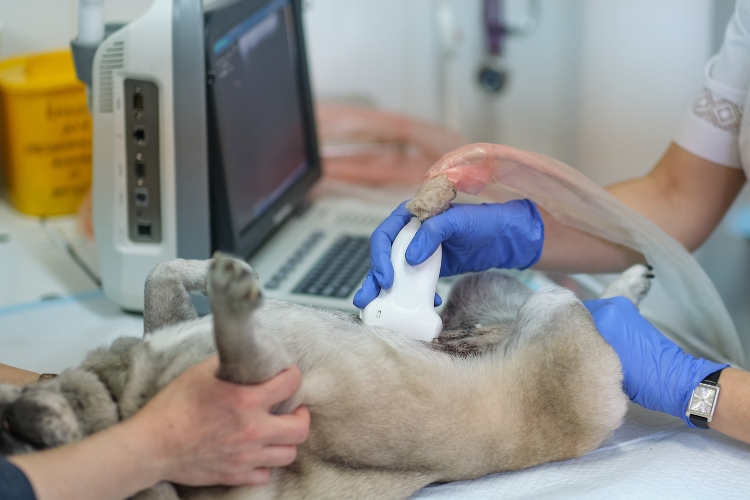
Ultrasound for pets uses sound waves to create real-time images of internal organs and structures. It allows veterinarians to examine the abdomen, heart, and other soft tissues without surgery.
Key Advantages of Pet Ultrasound
- Provides real-time imaging of internal organs and tissues.
- Helps detect abnormalities that are not visible externally.
- Allows guided procedures such as fluid sampling when needed.
- Supports early diagnosis and timely treatment planning.
As ultrasound offers detailed insight into internal health, it is often recommended when symptoms suggest hidden medical issues.
Persistent Vomiting or Digestive Issues
Digestive problems are one of the most common reasons veterinarians recommend an ultrasound for pets. Occasional vomiting may not be concerning, but frequent or prolonged symptoms often require further evaluation.
Signs That Require Attention
- Repeated vomiting over several days.
- Ongoing diarrhea without improvement.
- Loss of appetite combined with digestive upset.
Ultrasound imaging helps identify causes such as blockages, inflammation, or organ abnormalities within the digestive system. Early detection allows for faster treatment and prevents conditions from becoming more serious.
Unexplained Weight Loss or Appetite Changes
Sudden weight loss or noticeable changes in eating habits can signal underlying health concerns. These symptoms are often subtle at first but may indicate serious internal issues.
Possible Causes Detected Through Ultrasound
- Liver or kidney abnormalities affecting metabolism.
- Tumors or growths within internal organs.
- Gastrointestinal disorders interfere with nutrient absorption.
Veterinarians use ultrasound to examine organs in detail, helping determine the root cause of these changes and guiding the next steps in care.
Abdominal Swelling or Pain
Visible swelling in your pet’s abdomen or signs of discomfort when touched should never be ignored. These symptoms often indicate fluid buildup, organ enlargement, or other internal concerns.
Warning Signs to Watch
- Enlarged or bloated abdomen
- Sensitivity or pain when touched
- Changes in posture or reluctance to move
Ultrasound imaging helps identify the source of swelling, whether it is fluid accumulation, masses, or organ-related issues, which is essential for creating an effective treatment plan.
Difficulty Urinating or Changes in Urinary Habits
Urinary problems can quickly become serious if left untreated. Changes in frequency or difficulty urinating, or accidents in the house, may indicate underlying issues.
Conditions Ultrasound Can Help Detect
- Bladder stones or obstructions.
- Infections affecting the urinary tract.
- Structural abnormalities within the bladder or kidneys.
Pet ultrasound allows veterinarians to visualize these structures clearly, helping confirm diagnoses and determine appropriate treatment options.
Breathing Difficulties or Heart Concerns
Respiratory distress or suspected heart issues often require immediate attention. Ultrasound, particularly echocardiography, is used to evaluate heart function and detect abnormalities.
Symptoms That May Require Imaging
- Labored or rapid breathing.
- Persistent coughing without improvement.
- Reduced activity or sudden fatigue.
Ultrasound provides detailed images of the heart and surrounding areas, allowing veterinarians to assess function and identify potential problems early.
Detection of Tumors or Internal Growths
Lumps or unusual growths can sometimes be felt externally, but many tumors develop internally without visible signs. Ultrasound for pets is commonly used to detect and evaluate these growths.
Why Early Detection Matters
- Helps determine the size and location of growths.
- Guides decisions about further testing or treatment.
- Provides valuable information for monitoring changes over time.
Identifying tumors early increases the chances of effective management and better outcomes for your pet.
Pregnancy Monitoring and Reproductive Health
Ultrasound is frequently used to confirm and monitor pregnancy in pets. It provides a safe way to observe developing offspring and assess reproductive health.
Uses in Reproductive Care
- Confirming pregnancy at an early stage.
- Monitoring fetal development and viability.
- Identifying reproductive system abnormalities.
This type of imaging helps ensure both the parent and offspring remain healthy throughout the process.
Internal Injuries After Trauma
Accidents and injuries can cause internal damage that is not immediately visible. Ultrasound is often used in emergencies to evaluate internal bleeding or organ damage.
Situations That May Require Immediate Imaging
- Falls or impacts causing potential internal trauma.
- Sudden weakness or collapse after an incident.
- Signs of pain without visible external injury.
Quick diagnosis using ultrasound allows veterinarians to take appropriate action and stabilize your pet as needed.
How Veterinarians Decide When to Use Ultrasound
Veterinarians consider several factors before recommending an ultrasound for pets. These include your pet’s symptoms, medical history, and findings from physical examinations.
Factors That Influence the Decision
- Severity and duration of symptoms.
- Results from blood tests or other diagnostics.
- Need for detailed imaging of internal structures.
Ultrasound is often used alongside other diagnostic tools to provide a comprehensive understanding of your pet’s health.
What to Expect During a Pet Ultrasound
Understanding the process can help ease concerns about the procedure. Ultrasound imaging is generally well tolerated by pets and does not require surgery.
Steps Involved in the Procedure
- The area being examined may be shaved for better contact.
- A special gel is applied to improve image quality.
- A handheld device is used to capture real-time images.
Most pets remain calm during the procedure, and sedation is only used when necessary for comfort or safety.
Benefits of Early Diagnosis With Pet Ultrasound
Early detection of health issues allows for timely treatment and better outcomes. Ultrasound plays a key role in identifying problems before they become more serious.
Long-Term Advantages
- Reduces the risk of complications from untreated conditions.
- Supports more accurate treatment planning.
- Improves overall quality of life for pets.
Being proactive about your pet’s health can make a meaningful difference in their well-being.
Take Action When Symptoms Appear
At River’s Edge Animal Hospital, ultrasound services are available to evaluate a wide range of conditions affecting pets. The hospital provides diagnostic imaging for abdominal concerns, heart evaluations, reproductive health monitoring, and injury assessments, helping pet owners gain clarity about their pet’s condition and next steps in care.
Recognizing early warning signs and seeking timely care can make a significant difference in your pet’s health journey. Ultrasound for pets is a powerful tool that helps uncover hidden conditions and guide effective treatment decisions.
If you’re in Rock Hill and need diagnostic services near you, book an appointment with River’s Edge Animal Hospital to have your pet evaluated using advanced ultrasound imaging and receive clear guidance on the next steps needed to support your pet’s comfort, health, and long-term well-being at every stage of life.
Frequently Asked Questions
1. Is ultrasound safe for all types of pets?
Ultrasound is considered a safe and non-invasive diagnostic method for most pets. It does not use radiation, making it suitable for repeated use when necessary to monitor ongoing health conditions.
2. How long does a pet ultrasound usually take?
The procedure typically takes between twenty and forty minutes, depending on the area being examined and the complexity of the condition being evaluated.
3. Will my pet need sedation for an ultrasound?
Most pets do not require sedation for ultrasound imaging. However, it may be used in certain cases if a pet is anxious or unable to remain still during the procedure.
4. Can ultrasound detect all types of health issues?
Ultrasound is highly effective for examining soft tissues and internal organs, but it may be combined with other diagnostic tools for a more complete evaluation when needed.
5. How should I prepare my pet for an ultrasound appointment?
The veterinarian may recommend fasting your pet for several hours before the procedure. Following these instructions helps improve image clarity and ensures accurate results.