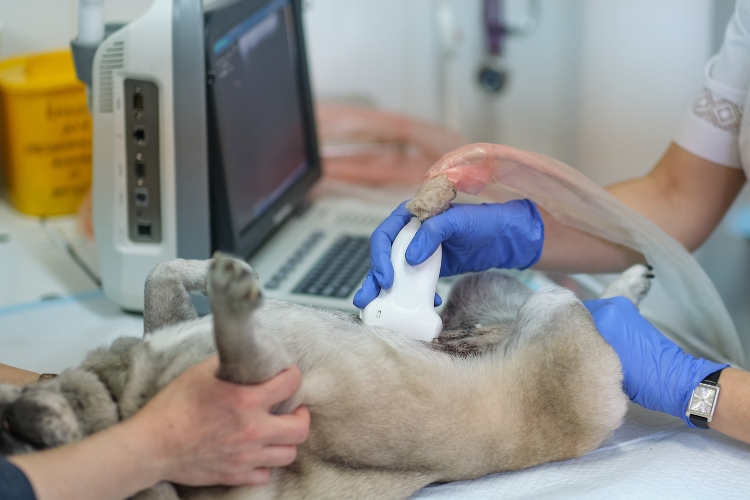


Sharing your home with a loyal dog or an independent cat brings an incredible amount of warmth, quiet comfort, and gentle companionship to your daily life. From the soothing rhythm of a purring cat curled in your lap to a joyful dog bounding across the living room floor, our animal companions easily secure a permanent place in our hearts. Most pet parents spend hours observing their habits, yet life brings inevitable changes, such as relocating to a new city or neighborhood. When your family moves to a fresh area, finding a new animal care provider becomes a top priority on your to-do list.
Relocating can be a whirlwind for both humans and animals, making the onboarding process feel a bit daunting at first. Families moving to the region often look online for a reliable ‘vet near me‘ or search for a trusted local Veterinarian who can provide continuous, high-quality medical support. Transitioning your companion smoothly involves gathering medical history, updating contact details, and preparing a nervous pet for their initial physical examination. Here at River’s Edge Animal Hospital in Rock Hill, our clinical team frequently welcomes relocating families and guides them through every step of the onboarding journey. Let us walk through how you can make this transition seamless and stress-free for your furry friend.
Why Timing Matters When Switching Care Providers
When settling into a new home, unpacking moving boxes and setting up furniture usually takes precedence over routine errands. However, establishing a relationship with a new clinic before your pet actually needs medical attention is a crucial strategy. Waiting until a health issue arises can add unnecessary stress to an already unfamiliar situation.
Finding a reputable local animal hospital accepting new patients ahead of time ensures that your pet’s medical file is already active in the system. Whether your companion requires routine wellness monitoring, ongoing prescription refills, or dietary guidance, having an established relationship with a local clinic provides instant peace of mind. Proactive planning allows you to tour the facility, meet the veterinary staff, and introduce your dog or cat to the environment at a calm, relaxed pace.
How to Transfer Pet Medical Records to a New Clinic
One of the most important administrative steps during a relocation is transferring your companion’s complete medical history from your previous provider. Having an accurate, up-to-date record allows your new veterinary team to understand past illnesses, baseline lab results, surgical histories, and unique physiological sensitivities.
The transfer process is typically straightforward and requires just a few simple actions on your part:
- Contact Your Former Clinic: Call or email your old veterinarian’s office to notify them of your relocation and request a complete digital copy of your pet’s medical files.
- Request Specific Documents: Ensure the transfer includes historical blood panels, diagnostic imaging reports, weight logs, and details regarding any chronic health management plans.
- Forward Files Directly: Send the compiled records to your new care provider well in advance of your first scheduled appointment so the clinician can review them thoroughly.
Updating Microchip Registrations and Contact Information
Amidst the chaos of packing boxes and changing utility accounts, it is remarkably easy to overlook your pet’s microchip registry details. However, updating your contact information is vital for ensuring your dog or cat can be safely returned home if they happen to slip out during the moving process.
Contact the registry database associated with your pet’s microchip to update your current residential address, phone number, and alternate contact details. If you are unsure which registry holds your information, you can bring your pet to a local clinic to have the microchip scanned and identify the correct database provider. Taking care of this detail early protects your companion during the transition phase.
Preparing Your Pet for a New Vet Visit and Reducing Anxiety
Visiting an unfamiliar clinic with strange sounds, new smells, and unknown faces can trigger anxiety for both dogs and cats. Preparing your companion for their first visit involves taking proactive steps to build positive associations with the travel carrier and the car ride.
Start by leaving the travel carrier out in your living room days before the appointment, filling it with cozy blankets and treats so your cat views it as a safe resting spot. For dogs, practice short, positive car rides that do not always end at the clinic. When you arrive at the facility, maintain a calm, reassuring demeanor. Switching to a new vet becomes much easier when your pet realizes that the examination room is filled with gentle handling, kind voices, and rewarding treats.
Partnering with Your Local Rock Hill Animal Care Team
Navigating your companion’s healthcare journey is always easier when you have a dedicated group of professionals supporting your family. Blending your careful observations at home with professional clinical care creates an unbeatable safety net for your pet.
The staff at River’s Edge Animal Hospital loves welcoming local pet families through our doors in Rock Hill. Whether you are preparing your pet for a new vet visit, transferring medical records, or establishing a routine wellness schedule, we are ready to help. Reach out to our friendly clinic today to chat with our team and schedule your pet’s next comprehensive visit.
Frequently Asked Questions
Q1. How far in advance of our move should I contact a new animal clinic?
Ans: It is ideal to contact a new clinic a few weeks before your move to ensure they are accepting new patients and to arrange medical record transfers smoothly.
Q2. What specific documents should be included in a pet medical record transfer?
Ans: Records should include previous physical exam notes, laboratory test results, surgical histories, diagnostic imaging files, and chronic condition management plans.
Q3. How can I update my pet’s microchip information after changing our home address?
Ans: You can update your details by contacting the microchip registry company directly online or by phone with your new address and phone number.
Q4. What steps can I take to calm an anxious dog or cat during the ride to a new clinic?
Ans: You can calm your pet by using familiar blankets in the carrier, applying calming pheromone sprays, driving smoothly, and speaking in a reassuring tone.
Q5. Why is it beneficial to schedule a wellness visit before my pet actually gets sick?
Ans: Establishing a baseline visit allows the veterinary team to know your healthy pet, making it much easier to detect subtle changes if health issues arise later.