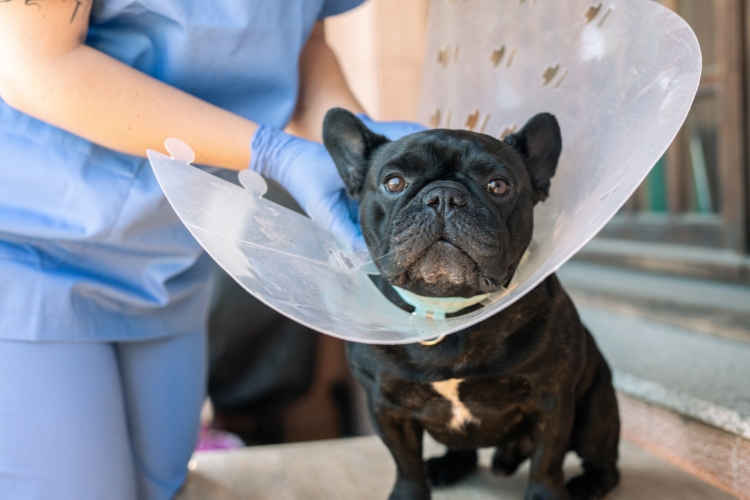


When a pet needs surgery, preparation begins well before the procedure itself. A veterinarian needs to understand the pet’s current health, medical history, and individual needs before creating a surgical plan. This is where preoperative testing becomes an important part of pet surgical care.
Preoperative testing can provide valuable information about how a pet’s body is functioning before anesthesia and surgery. Depending on the pet’s age, health history, symptoms, and planned procedure, testing may include blood work, urine analysis, imaging, or other diagnostic evaluations.
For pet owners in Rock Hill, understanding the purpose of these tests can make the process of preparing for pet surgery easier to understand. At River’s Edge Animal Hospital, preoperative evaluation helps the veterinary team gather important information and develop a surgical approach that considers each pet as an individual.
What Is Preoperative Testing?
Preoperative testing refers to health evaluations performed before a surgical procedure. The purpose is to gather information that may not be apparent during a physical examination alone.
A veterinarian may review the pet’s medical history, perform a physical examination, and recommend diagnostic testing before surgery. The specific tests depend on factors such as the pet’s age, breed, overall health, medications, symptoms, and type of procedure.
These evaluations can provide information about blood cells, organ function, hydration, and other aspects of a pet’s health. When appropriate, diagnostic imaging or additional testing may also be recommended.
Preoperative testing is not identical for every patient. A young, healthy pet having a straightforward procedure may have different testing needs than an older pet with an existing medical condition.
Why Is Testing Important Before Pet Surgery?
Anesthesia and surgery affect the body in several ways. Knowing more about a pet’s current health allows veterinarians to consider potential concerns before the procedure begins.
For example, diagnostic testing may reveal changes in organ function or blood values that were not producing noticeable symptoms. These findings can give the veterinary team additional information when planning anesthesia, monitoring, and postoperative care.
Testing may also establish useful baseline information. If an abnormal result is discovered, the veterinarian can determine whether additional evaluation is needed before proceeding.
The goal is not simply to perform tests for the sake of testing. The goal is to gather information that can support informed decisions and individualized pet surgical care.
What Can Blood Work Tell a Veterinarian?
Blood testing is commonly used as part of a preoperative evaluation. Blood contains information about several important body systems and can provide clues about a pet’s current condition.
Depending on the tests selected, blood work may provide information about red and white blood cells, platelets, hydration, and organ function. Certain results may indicate that additional evaluation is appropriate before surgery.
A pet can sometimes have an underlying health issue without obvious signs at home. Preoperative blood testing can help identify changes that may not be apparent during a routine physical examination.
The veterinarian interprets blood results in the context of the pet’s age, history, physical findings, and planned procedure rather than looking at one number in isolation.
How Urine Testing Can Support Surgical Planning
Urine analysis may also provide useful information before certain procedures. Urine can offer clues about hydration, kidney function, urinary health, and other internal processes.
Whether urine testing is appropriate depends on the pet and the procedure. Your veterinarian may recommend it when additional information could help evaluate overall health or investigate a specific concern.
Combining urine results with blood testing and a physical examination can give the veterinary team a broader understanding of the patient’s condition.
This information can be particularly useful when planning care for pets with a known history of health concerns.
Does Every Pet Need the Same Preoperative Tests?
No. Preoperative testing should be tailored to the individual pet.
Age is one factor veterinarians consider. A pet’s medical history is another. Current medications, previous illnesses, symptoms, and the type of surgery can all influence which evaluations may be appropriate.
For example, a veterinarian may recommend a different diagnostic approach for an older pet than for a young adult. Similarly, a pet with a known medical condition may require additional evaluation before anesthesia.
This individualized approach helps the veterinary team focus on information that is relevant to the pet’s surgical plan.
How Testing Can Influence the Surgical Plan
Preoperative testing can provide information that influences how veterinarians approach surgery. If test results reveal an unexpected concern, the veterinarian may recommend additional diagnostics, monitoring, or adjustments to the surgical plan.
In some cases, surgery may need to be postponed while a newly identified health issue is evaluated or managed. In other situations, the results may support proceeding with the planned procedure while taking specific precautions.
The important point is that testing gives the veterinarian more information before making decisions. Pet surgical care is not simply about the procedure itself. It includes preparation, anesthesia planning, monitoring, recovery, and follow-up. Preoperative information can contribute to each stage.
Why Your Pet’s Medical History Matters
Diagnostic results are most useful when combined with a complete medical history. Pet owners should tell the veterinary team about current medications, supplements, previous procedures, known health conditions, changes in appetite, behavior, activity, and any recent symptoms.
Even information that seems unrelated to the upcoming procedure may be useful.
For example, a recent change in drinking habits or energy level could provide context for a diagnostic finding. Sharing these details helps your veterinarian build a more complete picture of your pet’s health.
Before veterinary surgery, accurate information from the pet owner and current diagnostic findings work together to support better planning.
What Happens After Preoperative Testing?
Once the testing is complete, the veterinarian reviews the results alongside the physical examination and medical history. The veterinary team can then discuss the findings and explain whether any additional steps are recommended.
If the results are within an expected range, the planned procedure may continue according to the established surgical plan. If something unusual is identified, the veterinarian can explain what it may mean and whether additional evaluation is appropriate.
Pet owners should feel comfortable asking questions about any findings they do not understand. Knowing why a test was recommended and what the results mean can make the surgical experience less stressful.
Preparing Your Pet for a Surgical Appointment
Pet owners can support the preoperative process by carefully following the instructions provided by their veterinary team. These instructions may involve food, water, medications, transportation, and activity before surgery.
It is also helpful to prepare a list of your pet’s current medications and supplements. If your pet has experienced any recent changes, mention them before the procedure.
Following instructions carefully can help the veterinary team prepare your pet appropriately and avoid unnecessary complications related to preparation.
Supporting Safer Pet Surgical Care in Rock Hill
Preoperative testing is one part of a broader approach to veterinary surgery. Physical examinations, medical history, diagnostic results, anesthesia planning, surgical technique, monitoring, and postoperative instructions all contribute to comprehensive care.
At River’s Edge Animal Hospital in Rock Hill, the veterinary team can evaluate your pet’s individual health needs and discuss appropriate preparation before a surgical procedure.
If your pet has been scheduled for surgery, asking about preoperative testing can help you understand how the veterinary team is preparing for the procedure. It also gives you an opportunity to discuss any concerns you may have before your pet receives care.
Schedule Your Pet’s Surgical Consultation
If your pet needs a surgical procedure, proper preparation is an important part of the process. Preoperative testing can give veterinarians useful information about your companion’s current health and help guide individualized pet surgical care. Schedule an online appointment with River’s Edge Animal Hospital in Rock Hill to discuss your pet’s upcoming surgery and learn more about appropriate preoperative testing.
Frequently Asked Questions
Q1. What is the main purpose of preoperative testing for pets?
Ans: Preoperative testing provides veterinarians with additional information about a pet’s health before surgery and anesthesia. Results can help identify underlying concerns and support an individualized surgical plan.
Q2. Can a pet appear healthy but have an abnormal preoperative test result?
Ans: Yes. Some health changes may not cause noticeable symptoms. Diagnostic testing can sometimes identify abnormalities that are not obvious during a routine physical examination.
Q3. What types of tests might be performed before pet surgery?
Ans: Depending on the pet and procedure, testing may include blood work, urine analysis, imaging, or other diagnostic evaluations. Your veterinarian will recommend tests based on the patient’s individual needs.
Q4. Can preoperative testing change the date or plan for surgery?
Ans: It can. If testing identifies a concern that requires additional evaluation or management, the veterinarian may recommend adjusting the surgical plan or postponing the procedure until the pet can be appropriately prepared.
Q5. What should I tell my veterinarian before my pet’s surgery?
Ans: Share information about medications, supplements, previous health conditions, recent symptoms, changes in appetite or behavior, and anything else that seems unusual. Complete information helps the veterinary team plan appropriate care.