
Cats bring comfort and companionship to our homes for many years. As they age, however, their needs begin to change. Senior cats require special attention, balanced nutrition, and regular veterinary care to maintain a healthy and happy life. Understanding these changes helps pet owners provide the best support during their cat’s golden years.
Aging affects a cat’s body in several ways. Energy levels may decrease, joints can become stiff, and certain health conditions may develop more easily. Because of these changes, proactive care becomes more important than ever.
Fortunately, with proper guidance and consistent care, senior cats can continue to enjoy comfortable and fulfilling lives. By adjusting daily routines and focusing on preventive healthcare, pet owners can help their cats stay active and content for many years.
This guide will explore practical tips for caring for an aging feline, including nutrition, veterinary visits, and lifestyle adjustments that support long-term wellness. These tips are especially helpful for pet owners who want to provide the best support for their older pets. If you live in Rock Hill, SC, learning how to properly care for a senior cat can make a significant difference in your pet’s quality of life.
Understanding When a Cat Becomes a Senior
Cats are generally considered seniors when they reach about seven to ten years of age. However, aging does not occur at the same pace for every cat. Some cats remain active and energetic well into their later years, while others may begin showing signs of aging earlier.
Common signs of aging include:
- Reduced activity levels
- Increased sleeping
- Changes in appetite
- Weight gain or weight loss
- Stiffness or reduced mobility
- Changes in grooming habits
Although these changes are normal, they should still be monitored. Early recognition of health concerns allows veterinarians to address issues before they become more serious.
Providing proper senior cat care helps ensure that aging cats receive the attention and support they need.
The Importance of Regular Veterinary Checkups
Routine veterinary visits are essential for aging cats. As cats grow older, they become more vulnerable to conditions such as kidney disease, arthritis, diabetes, and thyroid disorders.
Regular checkups allow veterinarians to monitor your cat’s health and detect potential issues early. During these visits, the veterinarian may perform:
- Physical examinations
- Blood tests
- Urine tests
- Dental evaluations
- Weight assessments
Early diagnosis often leads to more effective treatment and improved outcomes. Therefore, many veterinarians recommend wellness exams at least twice a year for senior cats.
Preventive care remains one of the most effective ways to support long-term feline health.
Providing the Right Nutrition for Senior Cats
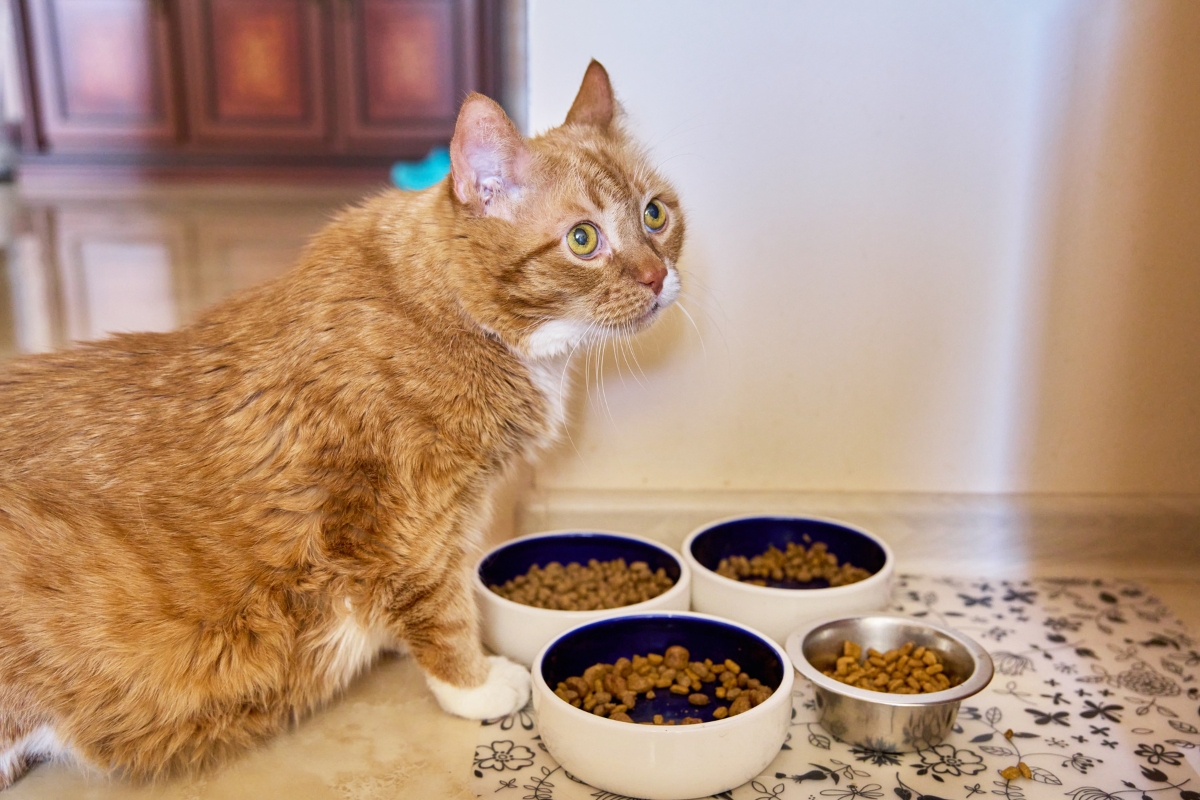
Nutrition plays a major role in maintaining your cat’s health as it ages. Older cats often require specialized diets designed to support their changing nutritional needs.
Senior cat diets typically include balanced protein levels, controlled calories, and added nutrients that support joint health and digestion.
For example, certain diets contain omega fatty acids, which help maintain healthy skin and coat. Others include ingredients that support kidney health or reduce inflammation.
Pet owners should consult a veterinarian before changing their cat’s diet. Every cat has unique nutritional requirements, and professional guidance ensures the best dietary choices.
Maintaining proper nutrition is a key component of senior cat care and helps promote longevity.
Supporting Joint Health and Mobility
Many aging cats experience joint stiffness or arthritis. These conditions can make movement uncomfortable and reduce activity levels.
Pet owners can help support joint health in several ways:
- Provide soft, comfortable bedding
- Place ramps or steps near favorite resting spots
- Keep food and litter boxes easily accessible
- Encourage gentle play activities
In some cases, veterinarians may recommend supplements or medications to support joint health. These treatments help reduce inflammation and improve mobility.
Maintaining an active lifestyle, even at a slower pace, helps keep muscles strong and joints flexible.
Creating a Comfortable Living Environment
Aging cats often appreciate a calm and comfortable home environment. Small adjustments around the house can make a big difference.
For example, older cats may have difficulty jumping onto high furniture. Placing steps or ramps nearby allows them to reach their favorite spots without strain.
Additionally, keeping litter boxes in easily accessible locations is important. Some senior cats benefit from litter boxes with lower sides, which make entry easier.
Soft bedding in quiet areas also helps senior cats rest comfortably. A peaceful environment supports both physical and emotional well-being.
Monitoring Changes in Behavior
Behavioral changes can sometimes signal health issues in older cats. Pet owners should pay attention to any unusual patterns.
Common changes may include:
- Increased vocalization
- Confusion or disorientation
- Changes in sleep patterns
- Reduced interest in social interaction
- Difficulty using the litter box
While some behavioral shifts may occur naturally with age, sudden or dramatic changes should be evaluated by a veterinarian.
Monitoring your cat’s habits allows you to respond quickly if something seems unusual.
Maintaining Dental Health
Dental health remains an important part of feline wellness, especially for older cats. Dental disease can cause pain, infection, and difficulty eating.
Regular dental checkups help identify issues such as plaque buildup or gum inflammation. Veterinarians may recommend professional cleanings or at-home dental care routines.
Healthy teeth allow cats to eat comfortably and maintain proper nutrition.
Ignoring dental issues can lead to serious complications. Therefore, dental care should remain a regular part of your cat’s healthcare routine.
Keeping Your Senior Cat Mentally Stimulated
Mental stimulation plays a vital role in keeping older cats happy. Even though senior cats may not be as energetic as younger ones, they still enjoy play and interaction.
Interactive toys, puzzle feeders, and gentle play sessions help stimulate your cat’s mind. Short daily activities encourage movement and prevent boredom.
Additionally, spending time with your cat strengthens the bond between pet and owner.
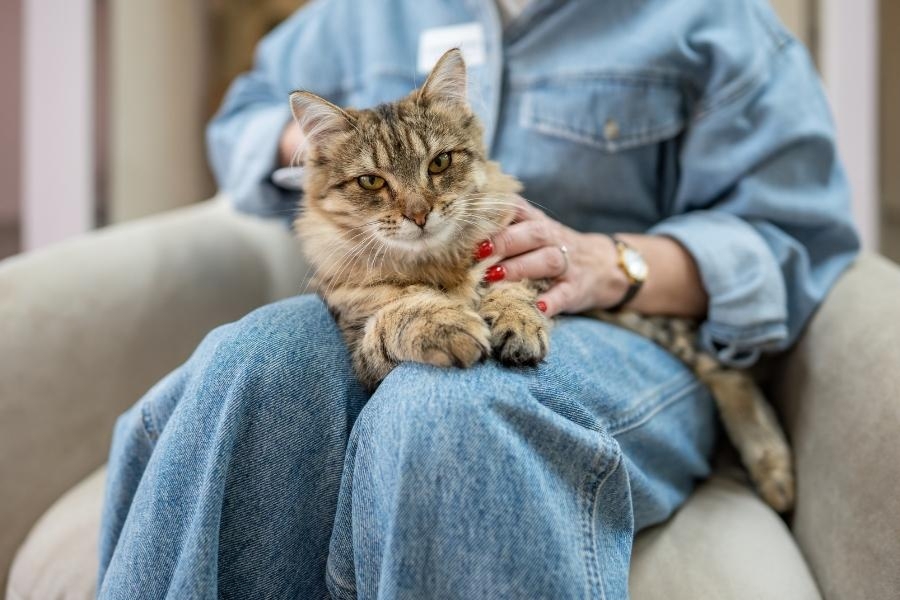
Simple activities such as brushing, petting, or quiet companionship can provide comfort and emotional support for aging cats.
Grooming and Hygiene for Older Cats
Senior cats sometimes struggle to groom themselves effectively. Arthritis or reduced flexibility may make it difficult for them to reach certain areas.
Regular brushing helps remove loose fur and prevents matting. Grooming also improves circulation and keeps the coat healthy.
Pet owners should also check for skin changes, lumps, or irritation during grooming sessions.
Maintaining good hygiene supports overall health and comfort.
The Value of Preventive Care
Preventive care helps maintain your cat’s health as it ages. Routine checkups, proper nutrition, and a comfortable environment work together to support longevity.
Pet owners who remain attentive to their cat’s needs can often detect potential problems early. This proactive approach allows veterinarians to intervene before conditions worsen.
With proper care, many senior cats continue to enjoy happy, active lives well into their later years.
Caring for a senior cat requires patience, attention, and a commitment to preventive healthcare. As cats age, their physical and emotional needs change, making regular veterinary care and a supportive home environment essential.
By providing proper nutrition, monitoring behavioral changes, and scheduling routine checkups, pet owners can help their aging companions maintain a high quality of life.
If you are in Rock Hill, SC and looking for senior cat care, book an appointment with River’s Edge Animal Hospital. Our veterinary team is dedicated to helping senior cats stay healthy, comfortable, and happy throughout their golden years.
FAQs
Q1. What age is considered senior for a cat?
Ans. Most cats are considered senior once they reach around 7 to 10 years of age. At this stage, their metabolism, energy levels, and health needs may begin to change.
Q2. How often should a senior cat visit the veterinarian?
Ans. Senior cats should have veterinary checkups at least twice a year. Regular visits help detect health issues early and ensure your cat receives proper preventive care.
Q3. What health problems are common in older cats?
Ans. Senior cats may develop conditions such as arthritis, kidney disease, dental problems, diabetes, and thyroid disorders. Early diagnosis helps manage these conditions effectively.
Q4. Do senior cats need a special diet?
Ans. Yes, many senior cats benefit from specially formulated diets that support joint health, digestion, and weight management.
Q5. How can I make my home comfortable for my senior cat?
Ans. Providing soft bedding, easy access to litter boxes, ramps for furniture, and quiet resting areas can help older cats stay comfortable and reduce strain on their joints.
Q6. Why is preventive care important for senior cats?
Ans. Preventive care allows veterinarians to monitor health changes, detect diseases early, and create treatment plans that help senior cats maintain a good quality of life.