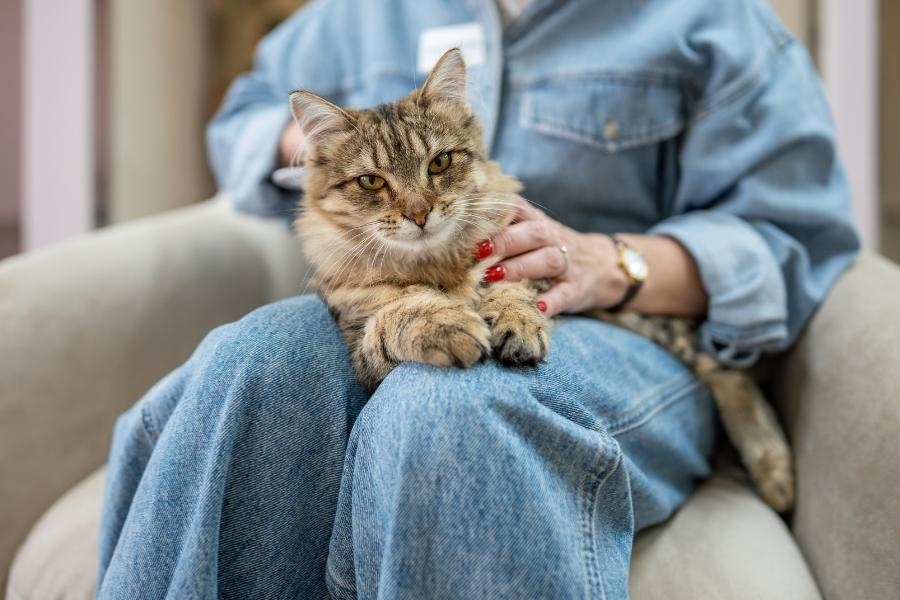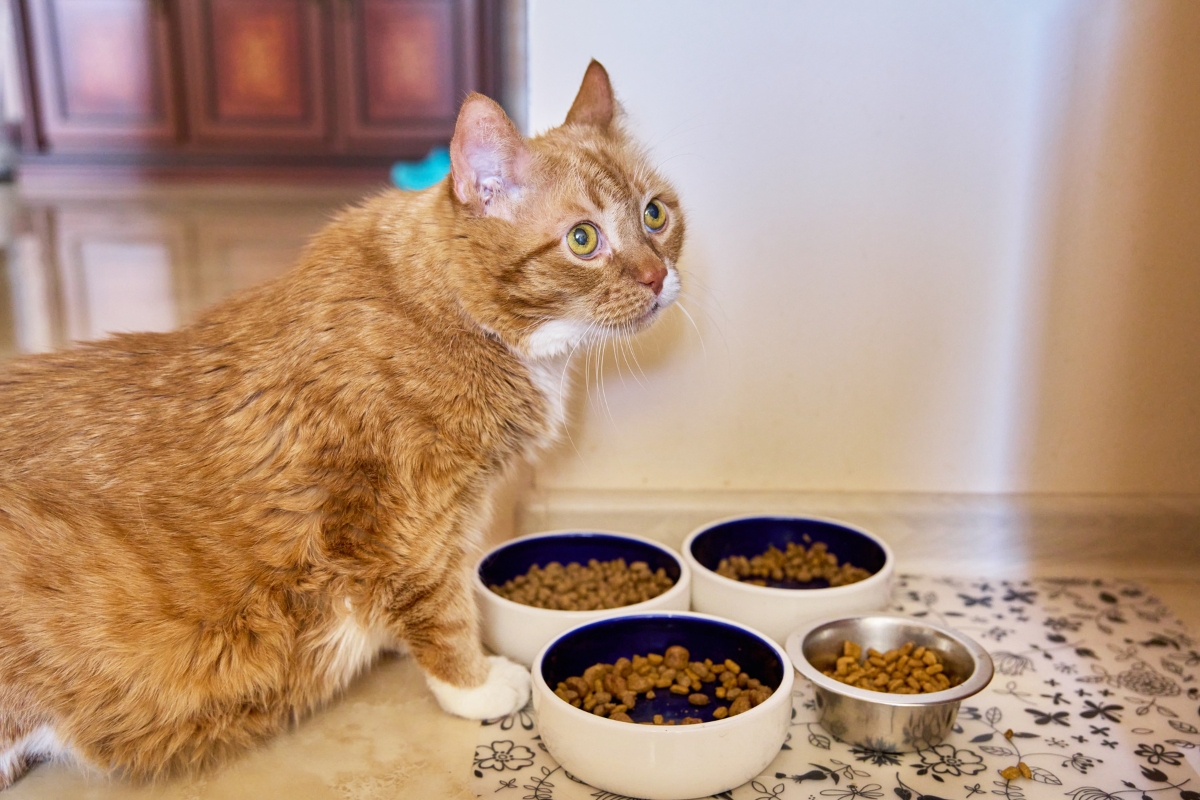

As your cat enters their golden years, they may begin to show signs of aging. Just like humans, aging cats have specific needs and challenges. While they may not be as active as they once were, senior cats can still enjoy a long and comfortable life with proper care. Understanding the unique needs of an aging cat is crucial for providing the best quality of life in their later years. In this blog, we’ll discuss how to care for your aging cat, from monitoring their health to providing a comfortable environment and adjusting their diet.
1. Health Monitoring: Regular Vet Visits
As your cat ages, their health needs change. Regular veterinary check-ups are essential for detecting and managing age-related health issues. The American Association of Feline Practitioners (AAFP) recommends that senior cats (7 years and older) visit the vet at least twice a year. During these visits, your vet will check for common age-related conditions such as arthritis, kidney disease, diabetes, and dental issues.
What to Expect During a Senior Cat Exam:
- Blood Tests: Routine blood work can help identify kidney or liver issues, thyroid problems, and diabetes, which are more common in older cats.
- Dental Check-up: Dental disease is prevalent in senior cats and can lead to pain and other health problems. Your vet will check for tartar buildup, gingivitis, or tooth decay.
- Weight Monitoring: Senior cats are prone to both weight loss and obesity, both of which can impact their health. Your vet will assess their weight and provide advice on proper nutrition.
- Joint Health: Cats can suffer from arthritis, especially as they age. Your vet may suggest joint supplements or medications to keep them comfortable.
How to Help:
- Schedule Regular Vet Visits: Don’t skip check-ups. Regular exams help catch potential issues early, improving your cat’s quality of life.
- Watch for Symptoms: If you notice changes in your cat’s behavior, such as excessive thirst, lethargy, or difficulty moving, contact your vet right away.
2. Diet and Nutrition: Tailored to Aging Cats
Aging cats have different nutritional needs compared to younger cats. Proper nutrition is vital to support their changing bodies, manage weight, and prevent health problems. As cats age, they may become less active and need fewer calories. At the same time, their digestive systems may slow down, and they may need easier-to-digest food.
Key Dietary Considerations:
- High-Quality Protein: Cats are obligate carnivores, and protein remains a critical part of their diet, even as they age. Look for senior cat food that contains high-quality protein sources, such as chicken, turkey, or fish.
- Lower Calories: Senior cats tend to be less active, which can lead to weight gain. Choosing a senior cat food with lower calories can help prevent obesity, which is linked to health issues like diabetes and arthritis.
- Easily Digestible Food: Aging cats may have trouble digesting food, so wet food or kibble with added digestive enzymes can help ease the process.
- Specialized Diets for Medical Conditions: Some senior cats develop specific health problems like kidney disease or arthritis. If your cat has a medical condition, your vet may recommend a special diet formulated to manage those issues.
How to Help:
- Consult Your Vet: Your veterinarian can recommend the best food for your cat’s age and health needs. They may suggest a prescription diet or supplements for joint health, kidney function, or weight management.
- Offer Fresh Water: Senior cats are more prone to dehydration, so always make sure fresh water is readily available. You can also encourage water intake by offering wet food, which provides extra hydration.
3. Comfort and Environment: Creating a Senior-Friendly Space
As your cat ages, their environment plays a significant role in their overall well-being. Senior cats may experience changes in mobility, vision, or hearing, which can make navigating their environment more challenging. By making a few adjustments to your home, you can create a more comfortable space for your aging cat.
What to Consider:
- Soft Bedding: Older cats often develop joint pain or arthritis. Providing soft, supportive bedding can help them sleep more comfortably. Look for orthopedic pet beds that provide extra cushioning.
- Easy Access to Food and Litter: As their mobility decreases, senior cats may have difficulty reaching their food and litter box. Consider placing food, water, and their litter box in areas that are easy for them to access without having to jump or climb.
- Non-Slip Surfaces: Cats with arthritis may have trouble on slippery floors. Use rugs or mats with non-slip backing in places where your cat walks frequently.
- Safe Places to Hide: Senior cats may experience anxiety or stress, so providing hiding spots where they can retreat and feel secure is important. Consider placing a cozy cat cave or bed in a quiet corner.
How to Help:
- Observe Their Behavior: Pay attention to any signs that your cat is struggling to move around or reach their food. You can make adjustments to your home to ensure they feel comfortable and safe.
- Create Low-Level Perches: If your cat likes to climb, provide low perches or ramps to make it easier for them to reach high places.
4. Exercise and Mental Stimulation: Keeping Their Minds Active
While senior cats may not have the same energy levels as younger cats, they still benefit from physical and mental stimulation. Regular playtime can help keep their muscles toned, reduce stress, and maintain a healthy weight.
What to Expect:
- Slower Play: Senior cats may not play as actively, but they still enjoy interactive toys. Use slow-moving toys like feather wands or laser pointers to encourage gentle play.
- Mental Stimulation: Puzzle feeders and interactive toys are great for keeping your senior cat’s mind sharp. These toys encourage problem-solving and help alleviate boredom.
How to Help:
- Short Play Sessions: Engage in short, frequent play sessions throughout the day to help your cat stay active without overwhelming them.
- Offer Variety: Try rotating toys to keep things interesting and prevent your cat from losing interest in their activities.
Caring for a senior cat requires a thoughtful approach that includes monitoring their health, providing a nutritious diet, and creating a comfortable living space. Regular vet visits, proper nutrition, and mental stimulation are key to helping your aging cat live a happy, healthy life. With a little extra care and attention, your senior cat can continue to enjoy their golden years by your side.
If you’re looking for expert senior cat care in Rock Hill, SC, River’s Edge Animal Hospital is here to help. Our experienced team can guide you through the best practices for senior cat health and provide tailored care to ensure your feline companion stays healthy and comfortable in their senior years.
FAQs
Q1. How often should I take my senior cat to the vet?
Ans. It’s recommended to take your senior cat to the vet at least twice a year for check-ups, including blood work and a dental exam.
Q2. What should I feed my senior cat?
Ans. Senior cats require a diet that’s lower in calories but higher in quality protein. Ask your vet for recommendations on the best food for your cat’s age and health needs.
Q3. How can I tell if my cat has arthritis?
Ans. Common signs of arthritis in cats include difficulty jumping, limping, reduced activity, and sensitivity to touch in certain areas. Consult your vet if you notice these symptoms.
Q4. How can I help my senior cat stay active?
Ans. Engage your senior cat in short, frequent play sessions with interactive toys. Mental stimulation, like puzzle feeders, can also keep their minds sharp.
Q5. What changes in behavior are normal for aging cats?
Ans. Senior cats may become less active, sleep more, or show signs of increased vocalization. However, any sudden behavioral changes should be discussed with your vet.
Q6. Should I adjust my senior cat’s environment?
Ans. Yes, make sure their living space is comfortable, with soft bedding, easy access to food and litter, and safe spaces to hide when they need rest.