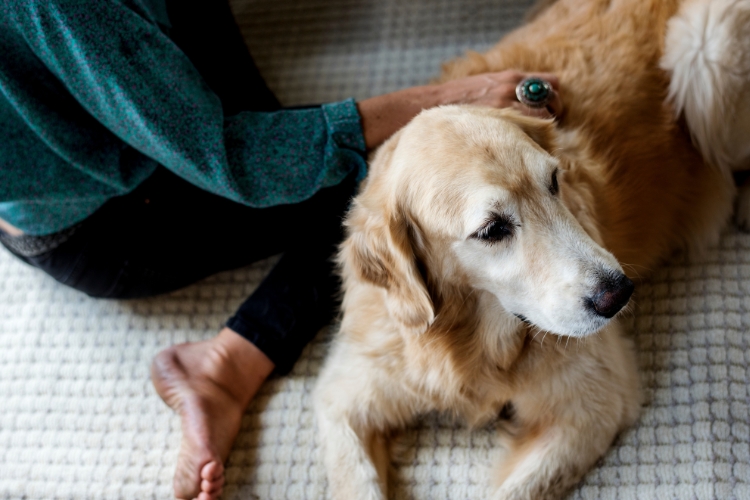

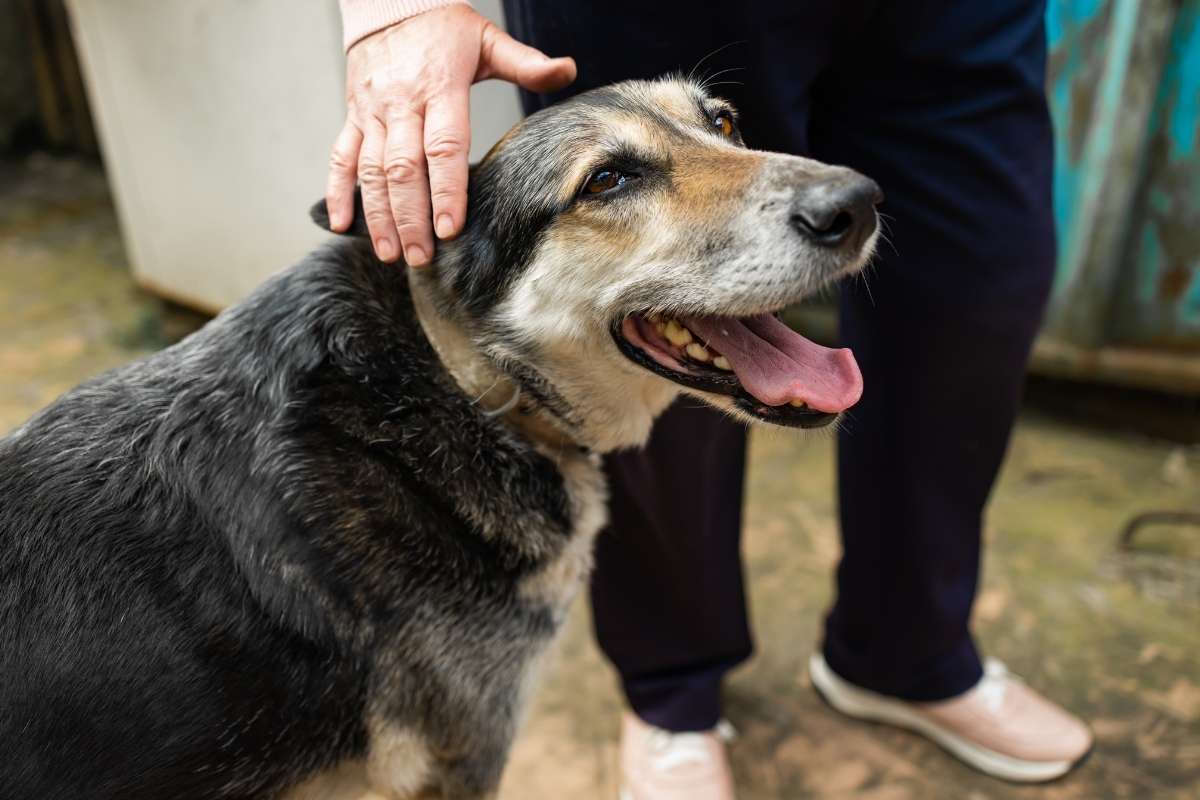
As our furry companions age, their needs change, and it’s up to us to provide the best care possible to ensure they remain healthy and happy in their senior years. Senior dogs bring so much joy, loyalty, and love into our lives, and it’s only fair that we return the favor by offering them the comfort and attention they deserve. In this guide, we’ll explore tips on caring for a senior dog, covering essential aspects such as nutrition, exercise, regular vet visits, and more.
Recognizing the Signs of Aging
The first step in caring for a senior dog is recognizing the signs of aging. While the exact age when a dog becomes a senior depends on the breed and size, most dogs are considered seniors between 7 and 10 years old. As dogs age, they may experience physical and mental changes. Common signs include:
- Slower movements and stiffness: Arthritis and joint pain are common in senior dogs.
- Changes in behavior: Older dogs may become more anxious or show signs of cognitive dysfunction, similar to dementia in humans.
- Changes in appetite or weight: A decrease in appetite or sudden weight gain/loss can signal health issues.
- Gray hair or a dull coat: Just like humans, dogs’ fur can turn gray or lose its shine as they age.
By observing these signs, you can take proactive steps to care for your dog, improving their quality of life.
Provide Proper Nutrition
Just as human dietary needs change with age, so do those of our dogs. Senior dogs require a balanced diet that supports their changing needs, including joint health, weight management, and overall vitality. Choosing the right food is crucial to maintaining their health.
When selecting food for your senior dog, consider these factors:
- Lower calorie content: Older dogs are often less active and may gain weight if they continue to consume the same amount of calories as when they were younger. Look for foods formulated for senior dogs that are lower in calories but still nutrient-dense.
- Joint health supplements: Ingredients like glucosamine and chondroitin can help with joint health, particularly for dogs with arthritis or other mobility issues.
- High-quality protein: Ensure that your dog’s food includes a high-quality protein source, as older dogs still need protein to maintain muscle mass.
Some senior dogs may also benefit from special diets that address specific health concerns, such as kidney disease or heart problems. Consult your vet to find the best food for your senior dog’s unique needs.
Exercise and Mental Stimulation
Although older dogs may not have the same energy levels they did as puppies, regular exercise is still important to keep them healthy. Exercise helps maintain muscle tone, supports joint health, and keeps your dog’s weight in check.
However, it’s important to adjust the type and intensity of exercise to accommodate their age and physical condition. Here are some tips:
- Shorter, frequent walks: Instead of one long walk, consider multiple shorter walks throughout the day.
- Low-impact activities: Swimming or gentle play can be excellent options, as they don’t put stress on your dog’s joints.
- Mental stimulation: In addition to physical exercise, senior dogs need mental stimulation to keep their minds sharp. Puzzle toys, new tricks, and games like hide-and-seek can be both fun and mentally enriching.
If your dog has mobility issues or is recovering from surgery, always consult your vet before starting any new exercise routines.
Regular Veterinary Check-ups
Regular veterinary visits are crucial in monitoring the health of senior dogs. As dogs age, they become more prone to certain health conditions, such as arthritis, dental issues, and organ diseases. Early detection can help manage these issues more effectively.
Aim for a vet check-up at least once every six months, or more often if your dog has specific health concerns. During these visits, the vet may conduct a full physical exam and suggest blood tests, X-rays, or other diagnostic tests to assess your dog’s overall health. Be sure to ask your vet about vaccinations, parasite prevention, and dental care, which are all critical components of senior dog health.
Grooming and Dental Care
As dogs grow older, their grooming needs often change—senior dogs may have more sensitive skin, need more frequent baths, or develop a dull, thinning coat. Consistent grooming not only keeps them clean and comfortable but also supports their overall health and well-being.
- Brushing: Regular brushing removes dirt, dead hair, and tangles, while also promoting healthy blood circulation and maintaining a shiny, manageable coat—especially important for long-haired breeds and aging dogs with thinning fur.
- Bathing: Older dogs may have drier skin, so opt for a gentle, moisturizing shampoo.
- Nail trimming: Keep your dog’s nails trimmed to prevent pain or difficulty walking.
Dental health is also a key aspect of senior dog care. Gum disease and dental decay are common in older dogs, which can lead to more serious health problems if left untreated. Brushing your dog’s teeth regularly and scheduling professional cleanings at the vet are both essential steps in maintaining their overall health.
Pain Management
Senior dogs are often prone to conditions like arthritis, which can cause significant discomfort. Pain management is crucial for ensuring your pet remains comfortable and happy in their later years.
There are various ways to manage your senior dog’s pain:
- Joint supplements: Supplements like glucosamine, chondroitin, and omega-3 fatty acids can provide relief for dogs with arthritis.
- Pain medication: Your vet can prescribe pain-relieving medications to ease chronic pain.
- Comfortable bedding: Provide a soft, supportive bed that relieves pressure on your dog’s joints. Heated beds or pads may also help soothe aches and pains.
Creating a Senior-Friendly Living Space
As dogs age, they may struggle with mobility, vision, or hearing issues. You can make your home more senior-friendly by making a few adjustments to your pet’s living space:
- Ramps or stairs: If your dog struggles to jump onto furniture or into the car, consider investing in ramps or stairs.
- Non-slip rugs: To prevent slips and falls, place non-slip rugs on smooth flooring.
- Quiet, comfortable resting areas: Senior dogs need a peaceful, safe space to rest. Ensure they have a designated spot away from loud noises or disturbances.
Caring for a senior dog requires dedication, patience, and a little extra attention. By providing the right nutrition, regular exercise, mental stimulation, and routine vet visits, you can ensure your aging companion lives a long, healthy, and happy life. If you’re in Rock Hill, SC, be sure to seek out local veterinary care and pet services that specialize in senior dog care, as they will be able to offer tailored advice and treatments to meet your pet’s needs. With the right support, your senior dog will continue to bring joy and companionship into your life for many years to come.
FAQs
Q1. What are the signs that my dog is entering their senior years?
Ans. Senior dogs typically show signs such as slowing down, changes in appetite or weight, and more gray hair. Behavioral changes, such as increased anxiety or confusion, can also be a sign of aging.
Q2. How often should I take my senior dog to the vet?
Ans. Senior dogs should have regular vet check-ups at least once every six months to monitor their health and detect any potential issues early.
Q3. Can I still exercise my senior dog?
Ans. Yes, but the type and intensity of exercise should be adjusted to accommodate their age and physical condition. Shorter walks and low-impact activities like swimming are great options.
Q4. What is the best diet for a senior dog?
Ans. A senior dog diet should be lower in calories but still nutrient-dense. Look for foods with high-quality protein and joint health supplements like glucosamine.
Q5. How can I manage my senior dog’s arthritis pain?
Ans. Joint supplements, pain medications, and comfortable bedding can help manage arthritis pain in senior dogs. Always consult your vet for the best pain management plan.
Q6. How do I make my home more senior dog-friendly?
Ans. You can make your home more accessible by using ramps, non-slip rugs, and providing a quiet, comfortable resting area.