

Dogs and cats can experience health problems that affect their internal organs long before obvious symptoms appear. A pet may continue eating, playing, and interacting normally while an underlying condition gradually develops. This is why understanding common medical concerns and recognizing subtle changes at home can make an important difference in your pet’s health.
Internal medicine care focuses on identifying and managing conditions that affect internal organs and body systems. These may include the kidneys, liver, digestive tract, urinary system, endocrine system, respiratory system, and cardiovascular system. Some conditions progress slowly, while others can produce noticeable changes within a short period.
For pet parents in Rock Hill, knowing what to watch for can make it easier to recognize potential concerns and seek appropriate veterinary attention. Regular examinations, careful observation, and diagnostic testing can help your veterinarian understand what is happening inside your pet’s body.
What Is Internal Medicine Care for Pets?
Internal medicine involves the evaluation and management of diseases that affect a pet’s internal organs and biological systems. Many of these conditions cannot be diagnosed simply by looking at a pet from the outside.
A veterinarian may investigate concerns such as:
- Changes in appetite
- Increased thirst
- Frequent urination
- Unexplained weight changes
- Vomiting
- Diarrhea
- Reduced energy
- Changes in behavior
- Coughing
- Breathing changes
Because several different conditions can produce similar symptoms, veterinarians may combine a physical examination with laboratory testing and diagnostic imaging to identify the underlying cause.
Kidney Disease in Dogs and Cats
The kidneys perform essential functions throughout the body. They help remove waste products from the bloodstream, maintain fluid balance, and support several important metabolic processes.
Kidney disease can develop gradually, particularly in older pets. Early signs may be subtle and include increased thirst or more frequent urination. As the condition progresses, a pet may experience reduced appetite, weight loss, vomiting, weakness, or changes in normal behavior.
Veterinary evaluation may include bloodwork, urine testing, blood pressure measurement, and imaging when appropriate. Comparing current results with previous records can also help identify changes in kidney function over time.
Liver Disorders and Liver Disease
The liver plays an important role in digestion, nutrient processing, metabolism, and the body’s handling of various substances. Liver problems can develop for many different reasons.
Potential signs of liver disease include:
- Decreased appetite
- Weight loss
- Vomiting
- Diarrhea
- Increased thirst
- Increased urination
- Low energy
- Yellowing of the eyes or skin
- Changes in the abdomen
Because these signs can also occur with other health conditions, diagnostic testing is often needed to determine whether the liver is involved.
Blood testing can provide valuable information about liver function, while imaging may help veterinarians evaluate the liver’s structure and surrounding organs.
Diabetes in Dogs and Cats
Diabetes occurs when the body cannot properly regulate blood glucose. Both dogs and cats can develop this condition.
Common signs may include increased thirst, increased urination, increased appetite, and unexplained weight loss. Some cats may also develop weakness or changes in their walking pattern.
Diagnosis generally involves blood and urine testing along with an assessment of the pet’s overall health. Management may involve dietary adjustments, medication, monitoring, and regular veterinary examinations.
Because treatment needs can change, ongoing veterinary supervision is an important part of managing diabetes.
Gastrointestinal Problems
Digestive disorders are another common reason pets require internal medicine evaluation. Occasional stomach upset may happen, but recurring symptoms should not be ignored.
Signs can include:
- Repeated vomiting
- Persistent diarrhea
- Constipation
- Reduced appetite
- Abdominal discomfort
- Excessive gas
- Weight loss
- Changes in stool appearance
Possible causes range from dietary issues and food sensitivities to parasites, inflammatory conditions, organ disorders, and other underlying diseases.
A veterinarian may review your pet’s diet and medical history before recommending bloodwork, stool testing, imaging, or other diagnostic procedures.
Urinary Tract Conditions
Dogs and cats can develop several conditions affecting the urinary system. These may involve the bladder, kidneys, urethra, or other parts of the urinary tract.
Pet owners should pay attention to:
- Frequent urination
- Straining while urinating
- Urinating outside the litter box
- Blood in the urine
- Increased thirst
- Changes in urine appearance
- Excessive licking around the urinary area
Cats may sometimes show behavioral changes when they are experiencing urinary discomfort. A cat that suddenly begins avoiding the litter box may have an underlying medical problem rather than a simple behavioral issue.
Veterinary testing can help determine whether infection, inflammation, stones, kidney problems, or another condition is contributing to the change.
Endocrine and Hormonal Disorders
The endocrine system regulates numerous functions through hormones. When hormone production becomes abnormal, dogs and cats can develop noticeable changes throughout the body.
Common endocrine disorders include diabetes, hypothyroidism, and hyperthyroidism.
Dogs with hormonal problems may experience changes in weight, energy, appetite, skin, or coat. Cats with certain endocrine disorders may lose weight despite eating well, drink more water, urinate more frequently, or become unusually active.
These symptoms can overlap with other diseases, making diagnostic testing an important part of identifying the underlying problem.
Respiratory Conditions
Respiratory health problems can involve the airways, lungs, heart, or surrounding structures. Persistent coughing, unusual breathing patterns, reduced stamina, or changes in respiratory effort should be evaluated by a veterinarian.
Possible causes include airway disorders, infections, allergies, heart related conditions, and other medical problems.
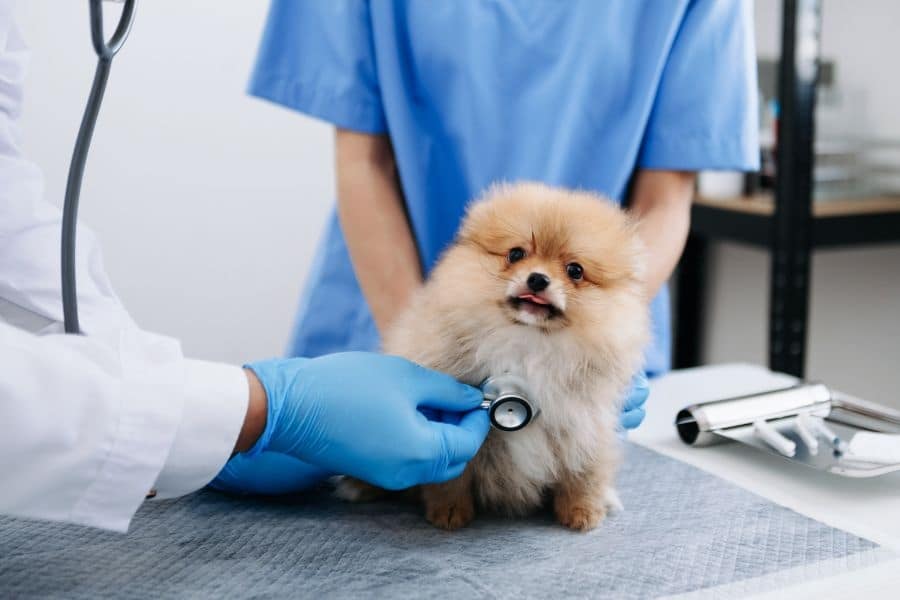
During an examination, your veterinarian may listen to the chest and assess your pet’s breathing pattern. Depending on the findings, additional testing such as bloodwork or diagnostic imaging may be recommended.
Heart and Circulatory Conditions
Heart conditions can sometimes develop slowly, allowing pets to compensate for changes before owners notice obvious symptoms.
Possible warning signs include:
- Reduced exercise tolerance
- Coughing
- Weakness
- Breathing changes
- Fainting
- Abdominal enlargement
- Reduced interest in normal activities
A physical examination may reveal a heart murmur or other findings that require additional evaluation. Depending on the situation, your veterinarian may recommend blood pressure testing, diagnostic imaging, or other assessments.
Monitoring cardiovascular health can be particularly important as pets age.
Why Diagnostic Testing Matters
Many internal medical conditions share similar symptoms. Increased thirst, for example, can occur with kidney disease, diabetes, hormonal disorders, and other health problems.
This makes diagnostic testing valuable when a pet develops unexplained or persistent changes.
Depending on the situation, internal medicine evaluation may include:
- Physical examination
- Bloodwork
- Urine testing
- Stool testing
- Blood pressure measurement
- X ray imaging
- Ultrasound
- Specialized laboratory testing
The results help your veterinary team evaluate different body systems and determine which conditions may need further investigation.
Watch for Changes at Home
Pet parents play an important role in recognizing potential medical problems. Since you know your pet’s normal habits, even small changes can provide useful information.
Monitor your pet’s:
- Appetite
- Water intake
- Urination
- Bowel movements
- Weight
- Activity level
- Sleeping habits
- Grooming
- Breathing
- Social behavior
Keeping a simple record of changes can help your veterinarian understand when a symptom began and whether it is getting better or worse.
Support Your Pet’s Long Term Health
Regular veterinary examinations provide an opportunity to monitor your pet’s overall health and identify subtle changes. Preventative veterinary care can also help establish baseline information that makes future comparisons easier.
Older pets may require closer monitoring because certain internal conditions become more common with age. However, dogs and cats of any age can develop medical problems.
A change in appetite, thirst, weight, energy, digestion, urination, or behavior should not automatically be considered a normal part of aging. A veterinary examination can help determine whether there is an underlying medical explanation.
Schedule Internal Medicine Care at River’s Edge Animal Hospital
If your dog or cat has developed unexplained changes in appetite, thirst, weight, energy, digestion, urination, or behavior, River’s Edge Animal Hospital can help evaluate the underlying concern. Our veterinary team provides thorough examinations and diagnostic support designed to understand your pet’s individual health needs.
Schedule an appointment with River’s Edge Animal Hospital to discuss your pet’s health and learn more about internal medicine care. Careful monitoring and timely veterinary evaluation can provide valuable insight into your companion’s health and support a healthier future.
Frequently Asked Questions
Q1. What conditions are commonly evaluated through internal medicine care?
Ans: Common conditions include kidney disease, liver disorders, diabetes, gastrointestinal problems, urinary tract conditions, hormonal disorders, respiratory problems, and certain cardiovascular conditions.
Q2. What signs could indicate that my pet needs an internal medicine evaluation?
Ans: Changes in appetite, thirst, weight, urination, bowel movements, energy, breathing, or behavior can indicate an underlying medical concern. Persistent or unusual changes should be discussed with a veterinarian.
Q3. How do veterinarians diagnose internal medical problems in pets?
Ans: Veterinarians may use a physical examination along with bloodwork, urine testing, stool testing, blood pressure measurement, X rays, ultrasound, or specialized laboratory tests depending on the symptoms.
Q4. Can internal medicine problems affect young pets?
Ans: Yes. While some conditions become more common with age, young dogs and cats can also develop digestive, urinary, hormonal, congenital, infectious, and other internal medical disorders.
Q5. How can pet owners help veterinarians identify health changes early?
Ans: Monitor your pet’s normal appetite, drinking, bathroom habits, weight, activity, sleep, grooming, and behavior. Recording unusual changes can give your veterinarian useful information during an examination.
Related Articles