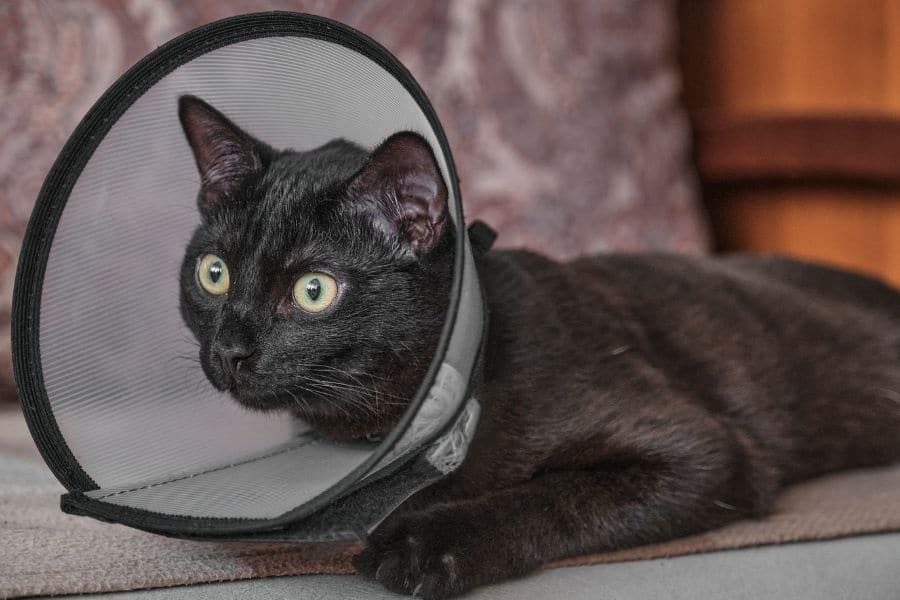
Finding out that your cat needs surgery can bring up many questions. You may wonder how the procedure will help, what risks are involved, how your cat will respond to anesthesia, and what recovery will look like at home. Having an open conversation with your veterinarian before scheduling the procedure can help you understand the treatment plan and make informed decisions for your pet.
For cat owners in Rock Hill, preparation begins with understanding the reason for cat surgery and learning what to expect at each stage. Whether your cat needs a dental procedure, mass removal, or another operation, asking the right questions helps clarify the benefits, possible complications, and aftercare requirements. River’s Edge Animal Hospital encourages pet owners to discuss their concerns with their veterinary team so they can feel better prepared for their cat’s care.
Why Should You Talk Through the Surgical Plan First?
Every cat has individual health needs, and no two surgical cases are exactly alike. A veterinarian considers the cat’s symptoms, examination findings, medical history, age, and diagnostic results before recommending a procedure.
A consultation gives you an opportunity to understand why surgery is being considered and whether other treatment options are available. It also helps identify concerns that could affect anesthesia, pain management, or recovery.
Before scheduling, write down your questions and bring a list of your cat’s medications and known health conditions. If your cat has undergone surgery before or experienced a reaction to medication, share those details. Clear communication helps the veterinary team plan care around your cat’s specific needs.
1. Why Does My Cat Need Surgery?
Start by asking your veterinarian to explain the condition that makes surgery advisable. Understanding the reason for the procedure helps you evaluate its expected benefits and make decisions with confidence.
Ask what the diagnostic findings indicate, what the operation is intended to accomplish, and what could happen if treatment is delayed. For example, removing a suspicious mass may help establish a diagnosis and treat the affected tissue, while surgery for an injury may aim to restore function or reduce discomfort.
You can also ask whether the diagnosis is confirmed or whether additional testing is needed. Request an explanation in everyday language if medical terminology is unclear. Knowing the purpose of the procedure creates a foundation for discussing risks, alternatives, and expected outcomes.
2. Are There Alternatives to Surgery?
Surgery may be the recommended approach, but it is reasonable to ask whether medication, monitoring, dietary adjustments, or another treatment could be appropriate.
The answer depends on the condition being treated. Some problems can be managed medically, while others may worsen without an operation. In certain cases, alternative treatments may control symptoms without addressing the underlying cause.
Ask your veterinarian to explain the advantages and limitations of each suitable option. Find out how likely each approach is to achieve the intended result and whether choosing an alternative could affect your cat’s future health.
This discussion should include the potential consequences of waiting. The goal is not simply to avoid surgery, but to understand which treatment offers a reasonable balance of benefits, risks, and quality of life for your cat.
3. What Pre-Surgical Tests Will My Cat Need?
Pre-surgical testing helps veterinarians assess a cat’s health before anesthesia. Depending on the animal’s age, medical history, examination findings, and planned procedure, the veterinary team may recommend bloodwork, urinalysis, blood pressure measurement, or additional diagnostic tests.
Ask which tests are recommended and what information they are expected to provide. Bloodwork, for example, may reveal changes in kidney or liver function, blood cell counts, or blood sugar that could influence surgical planning.
You should also ask what happens if a result is abnormal. The veterinarian may recommend repeating a test, investigating a suspected condition, adjusting the anesthesia plan, or postponing an elective procedure until a health concern is addressed.
Not every cat needs the same tests. Understanding the purpose of the recommended evaluation can help you prepare for the process and appreciate how test results contribute to an individualized care plan.
4. What Are the Risks of Anesthesia and Surgery?
All surgical procedures involve some degree of risk. The level of risk depends on factors such as the cat’s health, the complexity and duration of the operation, and the type of anesthesia required.
Ask your veterinarian which risks are most relevant to your cat. Existing kidney disease, heart conditions, breathing problems, or other medical concerns may influence the anesthetic approach.
It is also helpful to ask how your cat will be monitored during anesthesia. The veterinary team may monitor breathing, heart rate, blood pressure, oxygen levels, and body temperature, depending on the procedure and the patient’s needs.
No procedure can be guaranteed to be risk-free. However, discussing the planned precautions, possible complications, and response procedures can help you understand how the team prepares for your cat’s safety.
5. How Will Pain Be Managed?
Pain control is an important part of surgical care. Ask which pain management options may be used during and after the procedure, how long they are expected to provide relief, and what you should observe at home.
Cats may show discomfort through subtle changes rather than obvious vocalization. Hiding, reduced appetite, unusual aggression, reluctance to move, or changes in grooming can indicate that a cat is not feeling well.
Your veterinarian can explain which signs are expected during recovery and which should prompt a call to the clinic. Ask how prescribed medication should be given and whether it needs to be administered with food.
Never give your cat human pain medication unless a veterinarian specifically instructs you to do so. Some common human medicines are toxic to cats, even at small doses.
6. What Will Recovery Look Like at Home?
Before booking the procedure, find out how long recovery may take and what your cat will need during that period. Recovery varies according to the type of surgery, the cat’s health, and whether complications occur.
Ask whether your cat will return home the same day or require hospital monitoring. Confirm when eating and drinking should resume, how activity should be restricted, and whether your cat needs to wear a protective collar or use another method to prevent licking the incision.
Prepare a quiet recovery area with comfortable bedding and easy access to food, water, and a litter box. Cats that are usually active may need help avoiding jumping or climbing while healing.
Ask which incision changes are expected and which signs may indicate a problem, such as increasing swelling, discharge, persistent vomiting, worsening pain, or unusual weakness. Knowing when to seek veterinary advice helps you respond promptly if recovery does not progress as expected.
7. What Will the Procedure Cost, and What Is Included?
Understanding the expected cost can help you plan for your cat’s treatment. Ask for an estimate that explains the main components, such as pre-surgical tests, anesthesia, the procedure itself, medications, monitoring, and follow-up appointments.
It is also worth asking whether additional costs could arise if the veterinarian discovers an unexpected problem or recommends further treatment. Find out how the clinic will communicate with you if the plan needs to change.
An estimate is not always a final total because individual medical needs can vary. A clear discussion of the anticipated expenses and possible additional charges helps prevent confusion and allows you to make practical arrangements before the procedure.
Discuss Your Cat’s Surgery With River’s Edge Animal Hospital
Preparing for surgery begins with asking questions and understanding your options. If your cat needs an operation, contact River’s Edge Animal Hospital in Rock Hill to arrange a consultation and discuss the recommended treatment plan.
Ask about appointment availability, pre-surgical evaluations, anesthesia monitoring, pain management, and home recovery instructions. A conversation with your veterinary team can help you understand the available pet surgical services and prepare for your cat’s individual needs. Bring your questions and medical records so you can make the most of your appointment and move forward with a clearer understanding of your cat’s care.
Frequently Asked Questions
Q1. When should I schedule a consultation before my cat’s surgery?
Ans: Schedule a consultation as soon as your veterinarian recommends considering surgery. This allows time to review the diagnosis, discuss treatment options, complete necessary testing, and understand the preparation and recovery instructions.
Q2. Should my cat stop eating before surgery?
Ans: Fasting instructions depend on your cat’s age, health, and planned procedure. Ask your veterinarian exactly when to withhold food and whether water or regular medications should be handled differently. Do not assume the same instructions apply to every cat.
Q3. Can I stay with my cat while it is recovering after surgery?
Ans: Hospital visiting policies vary by clinic and procedure. Ask whether visits are possible, when you can expect updates, and when your cat is likely to be ready to return home.
Q4. What information should I bring to my cat’s surgical consultation?
Ans: Bring available medical records, previous test results, a list of medications and supplements, information about past anesthesia reactions, and notes about recent changes in appetite or behavior. These details help the veterinarian assess your cat’s needs.
Q5. How do I know if my cat’s recovery is not progressing normally?
Ans: Contact your veterinary team if your cat develops worsening pain, persistent vomiting, increasing incision swelling, discharge, unusual weakness, or other concerning changes. Follow the clinic’s instructions and seek prompt assessment for severe or rapidly worsening symptoms.