

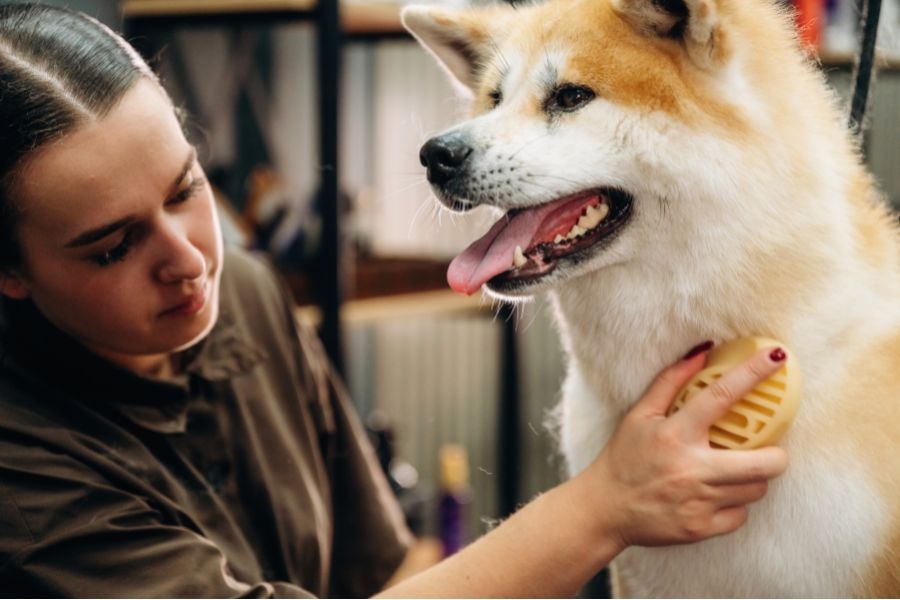
Every season brings new challenges for your dog’s coat, skin, and overall comfort — and staying ahead of those changes is one of the most important things you can do as a pet owner. Seasonal dog grooming is not just about appearances; it is a hands-on form of preventive care that supports your dog’s health from spring shedding season all the way through the cold winter months. At River’s Edge Animal Hospital in Rock Hill, we encourage every pet owner to think of regular grooming as an extension of their dog’s wellness routine.
Spring: Managing Shedding and Refreshing Your Dog’s Coat
For most dogs, spring is the season of heavy shedding. As the weather warms up, dogs naturally begin to lose their thick winter undercoat in preparation for the heat ahead. If your home seems to be buried in fur around this time of year, you are not alone — and the solution starts with a proactive grooming routine.
Daily or every-other-day brushing during the spring shedding season helps remove loose fur before it ends up on your furniture and keeps your dog more comfortable. Depending on your dog’s coat type, a deshedding tool or slicker brush may be more effective than a standard bristle brush. For heavy shedders like Huskies, Golden Retrievers, or German Shepherds, a professional deshedding treatment can make a significant difference.
Spring is also a smart time to schedule a full wellness check and grooming appointment. After months of winter outdoor activity, your dog’s paws, nails, and ears all deserve a fresh look. This is also the season when flea and tick activity begins to pick up — making a thorough coat inspection an important part of every grooming session.
Summer: Keeping Your Dog Cool and Parasite-Free
Summer dog grooming focuses on two things: temperature regulation and parasite prevention. While it might seem logical to shave your dog down to help them stay cool, this is actually not recommended for most breeds. A dog’s coat, even in summer, serves as natural insulation against both heat and sunburn. Trimming is usually better than shaving, and your veterinarian or groomer can advise what is appropriate for your dog’s specific coat type.
Regular bathing during summer months helps remove sweat, dirt, allergens, and environmental debris that build up during outdoor play. Aim for a bath every three to four weeks, or more frequently if your dog swims or spends a lot of time in the yard. Use a gentle, veterinarian-approved shampoo to avoid stripping the skin’s natural oils.
Paw care deserves extra attention in summer as well. Hot pavement, sand, and gravel can dry out and crack your dog’s paw pads. Keep the fur between the toes trimmed short and check the pads regularly for cracking, redness, or signs of irritation. Moisturizing paw balm can also help protect against seasonal wear and tear.
Fall: Preparing Your Dog’s Coat for the Colder Months
As temperatures begin to drop in Rock Hill, your dog’s coat goes through another transition — this time thickening up to prepare for winter. Fall is a great time to deep-clean your dog’s coat, address any summer skin issues before they become chronic, and update your parasite prevention plan with your veterinarian.
Brushing remains essential in fall, as the growing undercoat can quickly become matted if not maintained. Mats are more than a cosmetic problem — they can trap moisture, create hot spots, and restrict airflow to the skin, leading to irritation and infection. Stay consistent with your brushing routine to prevent mats from forming in the first place.
Fall is also a good time to assess your dog’s ear health. Dogs who love swimming in summer are more prone to ear infections, and the cooler months are a natural checkpoint to have those looked at. Regular ear cleaning as part of your grooming routine can help prevent issues from lingering into winter.
Winter: Protecting Skin, Coat, and Paws in Cold Weather
Winter grooming is all about protection. Cold air, indoor heating, and harsh outdoor elements can all take a toll on your dog’s skin and coat — leading to dryness, flaking, and increased shedding indoors. Maintaining a consistent dog grooming schedule through winter keeps your pet comfortable despite the seasonal shifts.
Many pet owners make the mistake of bathing their dogs less frequently in winter, but the opposite approach often works better. Regular bathing with a moisturizing shampoo helps combat dry skin caused by indoor heating. Just make sure your dog is fully dry before going outside — wet fur in cold temperatures can cause serious discomfort and even put your dog at risk for hypothermia.
Do not overlook nail care in winter. Dogs tend to spend more time indoors on softer surfaces, which means nails wear down less naturally. Long nails can affect your dog’s gait, lead to joint strain, and become uncomfortable over time. Monthly nail trims are a simple but important part of year-round preventive care.
Conclusion: Year-Round Dog Grooming Is Preventive Care in Action
Seasonal dog grooming is not a luxury — it is a consistent, practical form of preventive care that protects your pet’s skin, coat, comfort, and overall health through every season. Each time you brush, bathe, trim, or inspect your dog, you are doing more than keeping them clean — you are catching potential health issues early and reducing the risk of parasites, infections, and discomfort.
At River’s Edge Animal Hospital in Rock Hill, our team is here to support your dog’s health from the inside out, every season of the year. Schedule your dog’s wellness appointment today and let our team help you build a grooming and preventive care routine that keeps your pet happy, healthy, and comfortable all year long.
At River’s Edge Animal Hospital in Rock Hill, we are committed to helping pet owners provide the very best seasonal care for their dogs. Book your pet’s wellness visit today and give your dog the comfort and protection they deserve every season.
Frequently Asked Questions
Q1. How often should I groom my dog during heavy shedding season?
During peak shedding in spring and fall, daily brushing is ideal for most medium-to-long-coated breeds. Short-coated breeds may only need brushing a few times per week. Consistent grooming during these seasons significantly reduces loose fur buildup at home and keeps your dog more comfortable.
Q2. Is it safe to shave my dog in summer to keep them cool?
Shaving is generally not recommended for most double-coated breeds because the coat actually helps regulate temperature and protect against sunburn. A professional trim is usually the better option. Ask your veterinarian or groomer what is appropriate for your specific dog’s coat type before making any changes.
Q3. How does seasonal dog grooming support preventive care for my pet?
Regular grooming gives you and your veterinarian more opportunities to spot early signs of skin conditions, parasites, ear infections, and paw problems before they become serious. In Rock Hill, where flea and tick activity is active across multiple seasons, grooming serves as a first line of detection and protection.
Q4. What should I do about my dog’s dry, flaky skin in winter?
Dry indoor air and cold outdoor temperatures are common culprits for winter skin issues. Use a moisturizing, veterinarian-approved shampoo and consider adding a skin-supporting omega fatty acid supplement to your dog’s diet. If dryness persists or your dog is scratching excessively, schedule a visit with your vet to rule out underlying skin conditions.
Q5. How often should my dog’s nails be trimmed throughout the year?
Most dogs benefit from nail trims every three to four weeks. In winter, when dogs spend more time indoors on soft surfaces, nails may grow faster than usual. Overgrown nails can affect your dog’s posture and joint health over time, so regular nail care is an important part of your year-round preventive care routine.
Related Articles