

As a pet owner, watching your furry companion get into a minor scrap in the yard or start limping after a game of fetch triggers an immediate instinct to protect them. Often, a brief pause, a little rest, and basic home observation are all a minor bump or scrape requires. However, subtle physical cues can signal that an issue is progressing beyond what home care can handle. Knowing when to transition from watching at home to seeking professional urgent pet care ensures a small issue doesn’t develop into a costly or painful medical problem.
The Fine Line Between Home Care and Professional Assessment
It is entirely natural to take a wait-and-see approach with minor pet injuries. A slight limp after a long run or a superficial scratch from a stray branch often resolves on its own. However, domestic animals are evolutionarily hardwired to hide discomfort and physical weakness. By the time a cat or dog visibly demonstrates distress, a minor ailment may already be escalating.
Monitoring at home is appropriate when your pet remains bright, alert, responsive, and willing to eat or drink normally. The problem arises when owners misinterpret progressive symptoms as static ones. A slight stiffness that transforms into an inability to bear weight, or a small surface scrape that grows hot to the touch, indicates that home monitoring has reached its logical limit. Recognizing these changes early prevents unnecessary suffering and supports a much smoother recovery process.
Key Signs Your Pet’s Scrape or Wound Needs Professional Care
Wounds are among the most deceiving minor injuries. What appears to be a quick nip or a small puncture can conceal underlying tissue damage or trap dangerous bacteria beneath the skin surface.
- Persistent Bleeding or Seeping: Minor cuts should clot relatively quickly. If a wound continues to ooze clear fluid, blood, or discharge after applying gentle pressure, medical evaluation is necessary.
- Heat, Swelling, and Redness: Infection signs often develop over 24 to 48 hours. If the skin surrounding a scrape feels abnormally warm, appears dark red, or swells noticeably, bacteria may be multiplying beneath the surface.
- Unusual Odors: Healthy healing tissue does not produce a foul smell. An unpleasant odor coming from a scratch or tear is a direct indicator of bacterial growth or tissue breakdown.
- Obsessive Licking or Chewing: Pets instinctively lick their wounds, but continuous, intense focus on a specific spot introduces mouth bacteria and tears open fragile new tissue, rapidly worsening the initial damage.
Puncture wounds from other animals or sharp yard debris are particularly deceptive. They often seal over quickly on the surface, creating an airtight environment where bacteria thrive, frequently leading to painful abscesses if left unexamined.
Limping and Mobility Issues: When Rest Isn’t Enough
A pet that steps awkwardly while playing in Rock Hill might show temporary soreness, which usually improves with strict crate rest and restricted activity. However, mobility issues often require a closer look to rule out soft tissue tears or joint damage.
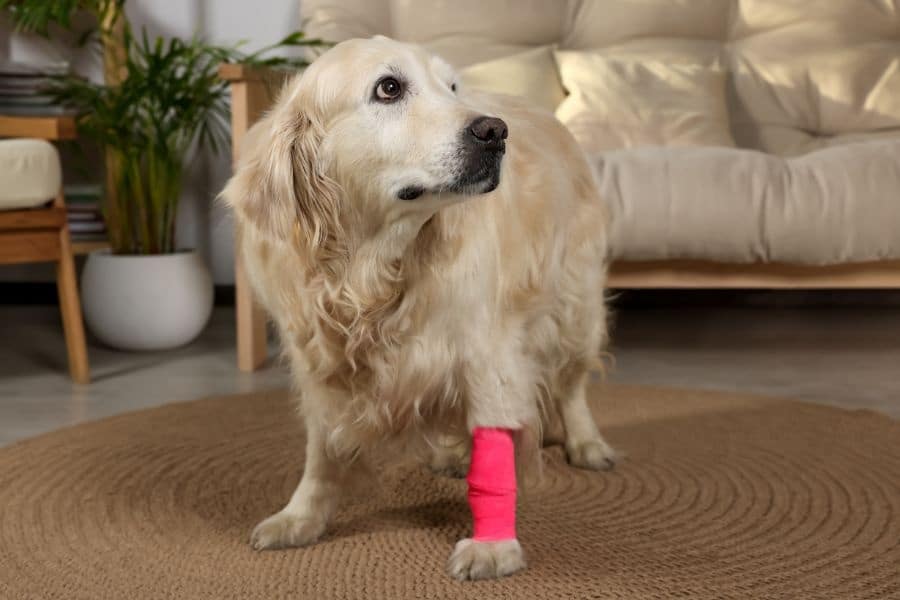
An immediate indicator that medical intervention is needed is non-weight-bearing lameness—when a pet holds a paw completely off the ground and refuses to touch it down. Additionally, joint swelling, visible misalignment, or vocalization upon touching the limb points to structural distress rather than simple muscle fatigue.
If mild stiffness persists beyond 24 hours despite rest, or if your pet struggles to rise, jump, or navigate stairs, professional diagnostics can pinpoint the exact cause. Attempting to manage severe joint or ligament strain at home without proper stabilization often leads to long-term mobility challenges.
Subtle Behavioral Changes That Signal Discomfort
Physical wounds and limp legs are obvious, but behavioral shifts are frequently the earliest indicators that a minor injury is worsening. Pets communicate physical distress through subtle alterations in their daily routines and attitudes.
- Sudden Isolation: A normally social dog or cat that suddenly hides behind furniture or seeks out quiet, dark closets is often reacting to hidden physical discomfort.
- Uncharacteristic Agitation or Aggression: Gentle pets may growl, snap, hiss, or pull away when a specific body area is approached or handled.
- Loss of Interest in Daily Routines: Refusing favorite treats, skipping meals, or displaying a complete lack of enthusiasm for walks indicates that physical distress is overriding their normal desires.
- Restlessness and Inability to Settle: Continuous pacing, shifting positions repeatedly while lying down, or heavy panting without prior exercise are classic signs of ongoing physical stress.
Paying close attention to these emotional and behavioral shifts helps you act before a minor discomfort turns into a major setback.
Understanding the Role of Timely Outpatient Interventions
Addressing a minor issue promptly prevents complications that require extensive, invasive procedures down the road. Tending to a laceration early might only require minor wound flushing and a protective wrap, whereas waiting several days could allow an infection to set in, necessitating complex tissue care and drain placements.
Choosing timely urgent vet care provides a precise diagnosis, professional-grade wound management, and appropriate, safe pain management. It eliminates the guesswork, giving you a definitive path forward while protecting your pet from unnecessary discomfort.
Protecting Your Pet’s Health
If you are from Rock Hill and looking for urgent pet care, having a trusted veterinary team ready to evaluate those borderline injuries brings invaluable peace of mind. Taking swift action at the first sign of trouble keeps your companion comfortable, active, and on the fast track to a complete recovery.
Schedule an Online Appointment
Don’t let a minor injury compromise your pet’s comfort or health. If you notice persistent limping, swelling, or changes in behavior, take the next step toward their recovery today.
Please schedule an appointment online to have your pet evaluated by our clinical team.
Speak Directly with Our Clinical Team
Prefer to speak with someone right away about your pet’s current symptoms? Our experienced staff is available to discuss what you are seeing at home and help determine if an immediate office visit is recommended.
Call our team at 803-567-5568 to discuss your pet’s needs with River’s Edge Animal Hospital.
Frequently Asked Questions
Q1. How long should I observe a minor limp before seeking professional care?
Ans: Observation should generally not exceed 24 hours. If your pet refuses to bear any weight on the leg, shows visible swelling, or vocalizes in pain, they should be evaluated immediately rather than waiting.
Q2. Can I apply over-the-counter antibiotic ointments to my pet’s scrape?
Ans: It is best to avoid over-the-counter human medications. Pets frequently lick these ointments off, ingesting ingredients that can cause gastrointestinal upset, while the moisture can sometimes trap harmful bacteria inside the wound.
Q3. Why is my pet panting when it isn’t hot outside?
Ans: Panting in a cool environment, especially when accompanied by restlessness or an elevated heart rate, is a common indicator of physical discomfort or anxiety resulting from a hidden or worsening physical injury.
Q4. What should I do if my pet will not stop licking a minor cut?
Ans: Place an Elizabethan collar (cone) or protective suit on your pet immediately to prevent access to the area. Continuous licking introduces oral bacteria and quickly turns a simple scratch into an infected skin wound.
Q5. Is a small bite wound from another animal considered a minor injury?
Ans: Bite wounds should always be evaluated by a professional. Teeth introduce deep-seated bacteria beneath the skin, and what looks like a tiny puncture on top often hides significant underlying tissue damage.