
As dogs age, their bodies undergo many changes—metabolism slows, joints become stiffer, and digestion often weakens. These changes mean your furry companion’s nutritional needs evolve too. Feeding your senior dog the right diet can improve their energy levels, mobility, and overall well-being.
In this blog, you’ll learn what makes food ideal for senior dogs, which ingredients to look for, and how to ensure your loyal friend thrives in their golden years.
1. Why Senior Dogs Need a Different Diet
Just like people, dogs’ nutritional needs change as they grow older. Senior dogs typically need fewer calories due to lower activity levels but still require a diet rich in essential nutrients to maintain muscle, support joints, and boost immunity.
Feeding your dog food designed specifically for seniors helps manage age-related conditions such as obesity, arthritis, and heart disease. Moreover, proper nutrition keeps their coat shiny, their digestion smooth, and their energy steady.
2. Key Nutrients Every Senior Dog Needs
Understanding what nutrients matter most can help you make the best dietary decisions for your aging dog.
High-Quality Protein
Even as your dog slows down, protein remains essential for maintaining muscle mass and strength. Look for foods that include lean sources such as chicken, turkey, fish, or lamb. However, ensure the protein is easy to digest and moderate in quantity to avoid kidney strain.
Healthy Fats
Healthy fats, especially Omega-3 and Omega-6 fatty acids, help reduce inflammation, ease joint pain, and keep your dog’s coat soft and shiny. Fish oil, salmon, and flaxseed are excellent sources.
Fiber for Digestion
Senior dogs often face digestive issues. A diet rich in natural fiber (like pumpkin, sweet potato, or brown rice) promotes gut health and prevents constipation.
Antioxidants and Vitamins
Vitamins C and E, as well as antioxidants from fruits and vegetables, strengthen the immune system and slow down the effects of aging.
Joint-Supporting Nutrients
Ingredients like glucosamine and chondroitin sulfate support joint health, improving mobility and reducing stiffness.
3. Wet Food vs. Dry Food for Senior Dogs
Choosing between wet and dry food depends on your dog’s health, preference, and dental condition.
Dry Food (Kibble)
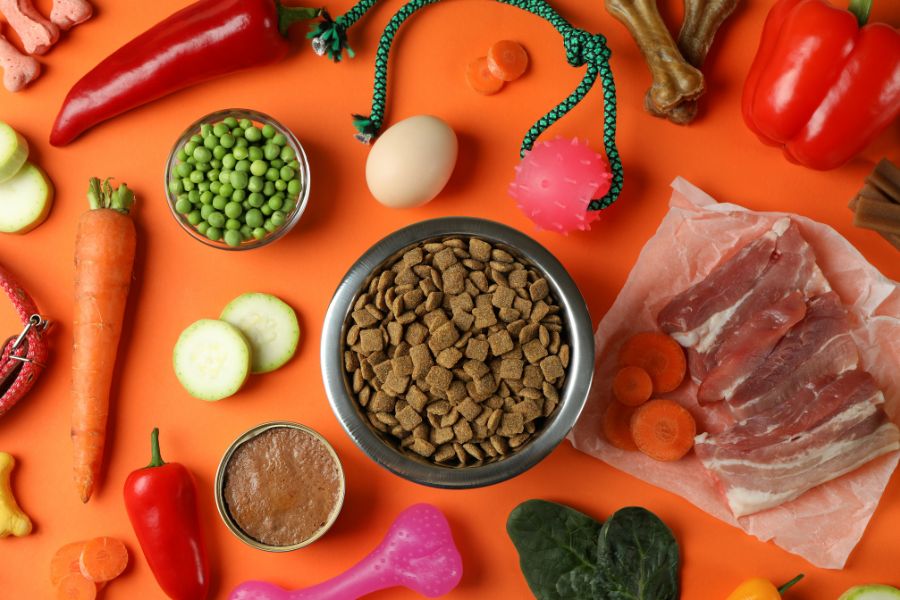
Kibble is convenient and helps with dental health by reducing plaque buildup. Many senior formulas also include added nutrients for joints and heart support.
Wet Food (Canned or Fresh)
Wet food has a softer texture, making it easier to chew—ideal for dogs with dental issues. It also provides more moisture, which is great for hydration and kidney support.
👉 Tip: You can mix both wet and dry food to offer a balanced combination of texture, flavor, and nutrition.
4. Ingredients to Avoid in Senior Dog Food
Not all dog food is created equal. Some contain fillers and additives that may harm your senior pet’s health. Avoid these ingredients whenever possible:
- Artificial preservatives, colors, and flavors
- High salt or sugar content
- Low-quality meat by-products
- Excessive corn, soy, or wheat fillers
Feeding your pet natural, high-quality food with recognizable ingredients helps them live longer and feel better.
5. Best Types of Food for Senior Dogs
Here are some of the most recommended types of food for aging dogs, depending on their needs:
- Weight Management Food: Helps prevent obesity by balancing calories and nutrients.
- Joint Support Diets: Contain added glucosamine, chondroitin, and omega-3s for mobility.
- Digestive Health Formulas: Include probiotics and fiber for sensitive stomachs.
- Prescription Senior Diets: Designed for dogs with specific conditions like kidney or heart disease.
Popular brands such as Hill’s Science Diet, Royal Canin, Purina Pro Plan, and Blue Buffalo offer specialized senior dog foods approved by veterinarians.
6. How to Transition Your Dog to Senior Food
Transitioning to new food should be done gradually to avoid upsetting your dog’s stomach. Mix a small amount of new food with the old food, increasing the ratio of the new food each day over 7–10 days.
During this period, watch for any digestive changes or allergic reactions, and adjust accordingly with your vet’s guidance.
7. Signs Your Senior Dog May Need a New Diet
If your dog shows these signs, it may be time to switch their food:
- Weight gain or sudden weight loss
- Low energy or fatigue
- Dull coat or flaky skin
- Bad breath or dental issues
- Digestive problems such as vomiting or constipation
Your veterinarian can perform a physical exam and recommend a diet that best supports your dog’s current health and life stage.
Feeding your senior dog the right food is one of the most meaningful ways to show love and care. A diet rich in protein, healthy fats, antioxidants, and fiber will help them stay active, strong, and comfortable as they age.
If you are located in Rock Hill, SC and searching for expert guidance, schedule nutritional consults in Rock Hill, SC to ensure your senior dog receives a customized diet plan that supports their specific health needs and lifestyle.
Frequently Asked Questions (FAQs)
Q1. At what age is my dog considered a senior?
Ans. Most dogs are considered seniors around 7 years old, though smaller breeds may age slower and larger breeds faster.
Q2. How many times a day should I feed my senior dog?
Ans. Typically, two smaller meals per day work best to aid digestion and maintain energy levels.
Q3. Should I give my senior dog supplements?
Ans. Some dogs benefit from supplements like omega-3s, glucosamine, and probiotics—but only under veterinary supervision.
Q4. What if my senior dog loses interest in food?
Ans. Try warming the food slightly or switching to wet or fresh food. If the issue persists, consult your vet to rule out underlying health problems.
Q5. Can senior dogs eat homemade food?
Ans. Yes, but homemade meals must be balanced with the right nutrients. Always consult your vet or a pet nutritionist before starting.
Q6. How often should my senior dog see the vet?
Ans. Senior dogs should visit the vet every six months for health checkups, weight monitoring, and dietary adjustments.