

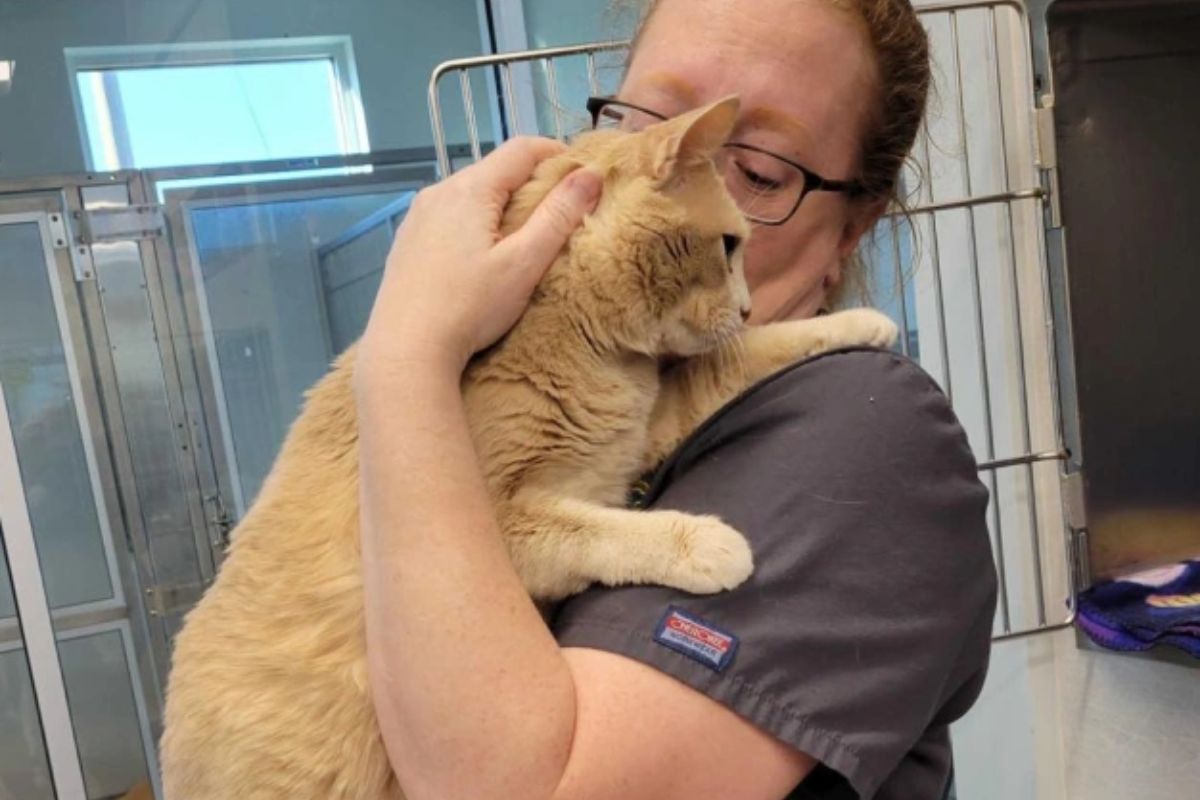
Preventive care is one of the most valuable tools in modern veterinary medicine. Rather than treating illness after it occurs, preventative care focuses on maintaining health and identifying potential issues early. For pet owners, it means taking proactive steps to ensure a longer, happier, and healthier life for their furry companions.
What Is Preventive Care?
Preventive care includes a range of services and actions aimed at preventing disease or catching it in its early stages. This approach often involves:
Routine veterinary exams
Vaccinations
Parasite prevention
Dental cleanings
Nutritional counseling
Behavior assessments
Screening tests like blood work and urinalysis
These practices help detect health concerns before they become serious and provide peace of mind to pet owners.
The Importance of Regular Veterinary Visits
Annual or biannual veterinary exams are the foundation of preventative care. These visits allow veterinarians to track your pet’s growth, weight, and behavior, and identify subtle signs of illness that may go unnoticed at home. Early detection often results in better outcomes and less expensive treatments.
For example, conditions like kidney disease, diabetes, or heart issues often show minimal symptoms early on. Routine blood tests and physical exams can catch these conditions before they progress, allowing for early intervention and management.
Vaccinations: Shielding Against Preventable Diseases
Vaccinations are a vital aspect of preventive care. They protect pets from highly contagious and potentially deadly diseases such as rabies, distemper, parvovirus, and feline leukemia. Keeping your pet on a proper vaccination schedule, recommended by your veterinarian, helps build their immunity and contributes to community-wide disease prevention.
In addition, some vaccines are legally required, and ensuring your pet is up to date helps avoid legal and public health issues.
Parasite Prevention: A Year-Round Priority
Fleas, ticks, and worms can cause severe health problems if not controlled. Preventative medications are available in various forms—oral tablets, topical treatments, or collars—and are highly effective when used consistently.
Intestinal parasites like roundworms or hookworms are especially dangerous for young animals and can even be transmitted to humans. Regular fecal exams and deworming are essential, especially during a puppy or kitten’s early months.
Heartworm prevention is also critical. Heartworm disease is difficult and expensive to treat, but easily preventable with monthly medication.
Dental Health and Its Impact on Overall Well-being
Dental disease is one of the most common yet overlooked health issues in pets. Plaque and tartar buildup can lead to gingivitis, tooth loss, and infections that affect the heart, liver, or kidneys. To keep your pet’s smile bright, preventative dental care is a must! Brushing their teeth, giving them dental chews, and arranging for regular cleanings can help maintain their oral health and avoid more serious dental problems.
Nutrition and Weight Management
Feeding your pet a well-balanced diet suited to their life stage and health condition plays a major role in preventative care. Obesity can lead to joint issues, diabetes, and reduced lifespan. Regular weigh-ins, proper portion sizes, and exercise help maintain a healthy weight and reduce the risk of related diseases.
Veterinarians can guide you in choosing the right food based on your pet’s breed, age, size, and any underlying medical conditions.
Behavioral Assessments and Mental Health
Behavioral issues can sometimes indicate underlying medical conditions or unmet physical and emotional needs. Preventive care involves monitoring your pet’s behavior and addressing changes early. This may include training advice, enrichment recommendations, or referrals to behavior specialists.
Keeping pets mentally stimulated with play, interaction, and routine also helps reduce stress, which in turn supports immune health.
Senior Pets and Preventive Care
As pets age, their risk for chronic diseases increases. Taking care of our senior pets is more important than ever. Preventive care plays a vital role in keeping them healthy and happy. More frequent checkups, senior-specific blood panels, and adjustments to diet and exercise routines can help detect and manage age-related conditions early, improving quality of life.
Preventative care isn’t just about avoiding illness—it’s about investing in your pet’s long-term health. By prioritizing regular veterinary visits, vaccinations, parasite control, dental hygiene, proper nutrition, and behavioral assessments, pet owners can significantly improve their companions’ lifespan and overall well-being.
Early detection, consistent monitoring, and proactive care are the best gifts you can give your pet—and they often lead to a longer, more joyful life together.