
As a pet owner in Rock Hill, SC, you want nothing more than to see your furry friend happy and healthy. One of the most effective ways to ensure your pet’s long-term health is by scheduling regular preventive exams. These exams offer more than just peace of mind—they’re a vital tool for catching potential health issues before they turn into serious problems.
Why Preventive Exams Are Essential
Pets, like humans, can develop health problems that may not be immediately noticeable. Whether it’s a heart condition, kidney disease, or dental issues, many pet illnesses progress without obvious symptoms. This is why preventive exams at River’s Edge Animal Hospital are so important. These exams are designed to detect problems early, often before your pet shows any signs of illness. By identifying issues early on, we can treat them promptly, preventing unnecessary suffering and reducing the need for expensive emergency care later.
What Happens During a Preventive Exam?
Preventive exams are thorough, and your veterinarian will examine several key aspects of your pet’s health. Here’s what you can expect during your pet’s visit:
- Physical Examination
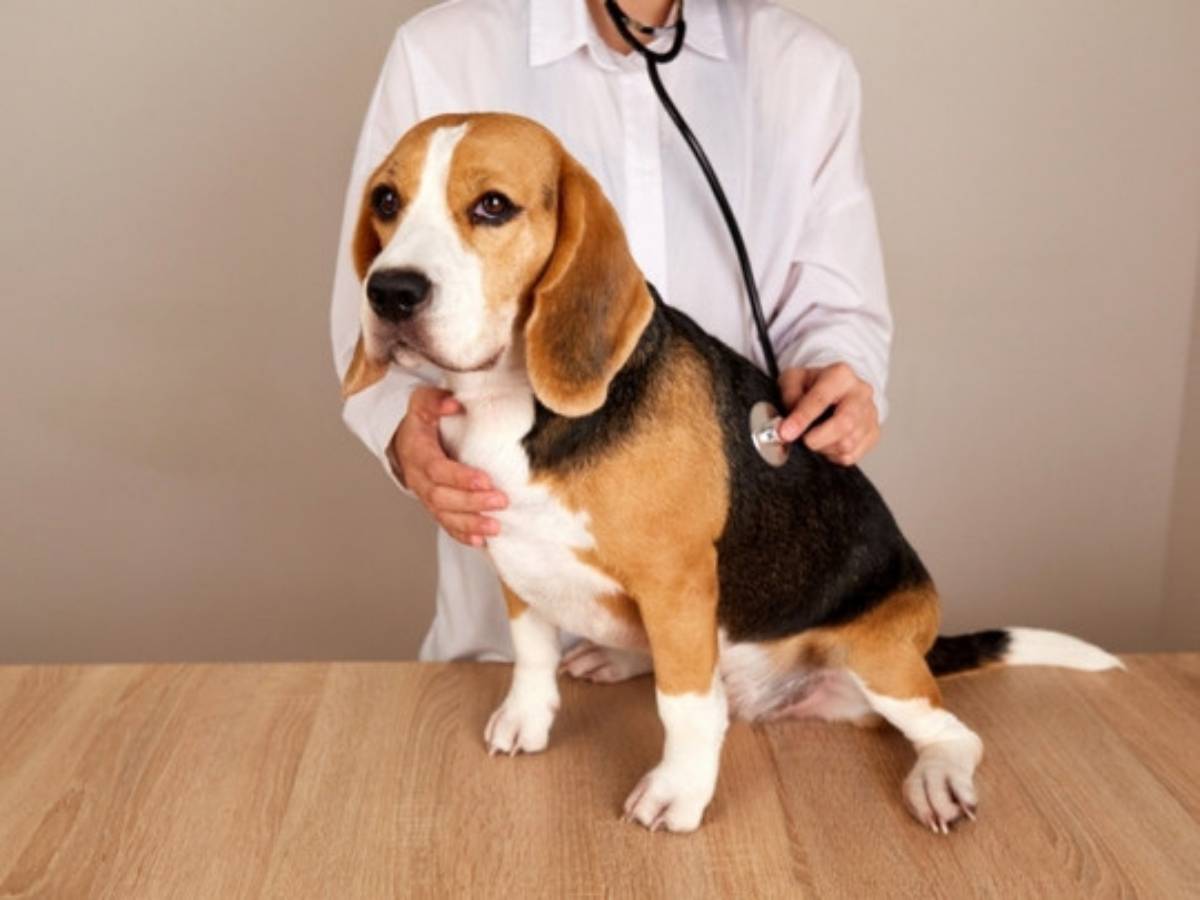
Your vet will perform a full physical exam to assess your pet’s overall health. This includes checking their weight, temperature, coat condition, and body condition score. Your vet will also check their eyes, ears, teeth, and gums for signs of any issues, such as infections or abnormalities. - Blood and Urine Tests
Blood tests can provide a wealth of information about your pet’s internal health. These tests help detect conditions like kidney disease, liver problems, diabetes, and thyroid issues—conditions that might not show symptoms early on. Urine tests can help identify urinary tract infections or kidney disease, which is especially important for aging pets. - Vaccinations and Parasite Prevention
Vaccinations protect your pet from serious diseases, and preventive exams ensure they’re up to date with their shots. Your vet will also check for parasites like fleas, ticks, and heartworms, and recommend preventive treatments to keep your pet safe from these harmful invaders. - Dental Health Check
Dental disease is one of the most common health problems in pets, yet it often goes unnoticed. During a preventive exam, your vet will thoroughly check your pet’s teeth and gums. Catching dental disease early can prevent pain, tooth loss, and more serious complications like heart disease. - Behavioral and Lifestyle Assessment
Preventive exams are also a great opportunity to talk about any changes in your pet’s behavior or lifestyle. Sometimes, behavioral changes can be a sign of underlying health issues, so it’s important to discuss these concerns with your vet. Whether your pet has become more lethargic, has a reduced appetite, or is displaying other unusual behaviors, your vet will assess these changes and offer advice or further tests if necessary.
The Role of Preventive Exams in Early Detection
One of the biggest benefits of regular preventive exams is early detection. Many illnesses don’t show clear symptoms until they are more advanced. For example, a heart condition might not cause obvious signs until it’s much harder to treat. But with a preventive exam, your vet can spot subtle signs that indicate something might be wrong. This early detection is critical for getting treatment started early, which often results in a better prognosis for your pet.
How Preventive Exams Save You Money
It might be tempting to skip preventive exams in favor of waiting until your pet shows signs of illness, but doing so can actually cost you more in the long run. Early detection through preventive exams often leads to simpler and less expensive treatments. For example, dental cleanings are much cheaper and less invasive than treating advanced gum disease. Similarly, catching an illness early means less extensive treatments and shorter recovery times. By making preventive care a priority, you’ll not only improve your pet’s health but also save money on costly treatments down the road.
The Importance of Regular Visits for Senior Pets
As pets age, they become more prone to certain health issues, including arthritis, kidney disease, and diabetes. Senior pets should have more frequent preventive exams, typically twice a year. This allows your veterinarian to monitor their health closely and address any changes as soon as they arise. For aging pets in Rock Hill, SC, River’s Edge Animal Hospital is here to provide compassionate, proactive care to ensure that your senior pet stays as healthy as possible.
The Emotional Benefits of Preventive Care
It’s hard to put a price on the emotional peace that comes with knowing your pet is healthy. Preventive pet exams give you the confidence that you’re doing everything you can to ensure a long, happy life for your furry friend. They also provide an opportunity to build a stronger bond with your veterinarian, who will get to know your pet’s unique needs over time.
In conclusion, preventive exams are an essential part of your pet’s health care routine. By catching potential issues early, you can help your pet live a longer, healthier, and more comfortable life. Don’t wait until your pet is sick—schedule a preventive exam at River’s Edge Animal Hospital today. Our compassionate team is here to help keep your pet happy and healthy for years to come.
FAQs
Q1. How often should I bring my pet in for a preventive exam?
Ans. It’s recommended to bring your pet in for a preventive exam at least once a year. Senior pets may need more frequent visits, typically every six months.
Q2. What are the signs that my pet might need a preventive exam?
Ans. Even if your pet appears healthy, it’s important to bring them in for regular exams. If you notice any changes in behavior, eating habits, or activity levels, it’s a good idea to schedule an exam.
Q3. Are preventive exams only for older pets?
Ans. No, preventive exams are important for pets of all ages. Regular checkups help catch potential health issues early, no matter your pet’s age.
Q4. Can I skip preventive exams if my pet is healthy?
Ans. While your pet may seem healthy, preventive exams are key to maintaining that health. Many conditions can develop without obvious symptoms, so regular exams are essential.
Q5. What should I expect during a preventive exam?
Ans. During the exam, your veterinarian will check your pet’s overall health, perform a physical exam, conduct blood tests, update vaccinations, and provide parasite prevention.
Q6. How can preventive exams save me money?
Ans. By catching health issues early, preventive exams can prevent the need for expensive treatments or surgeries. Regular exams help keep your pet healthy and reduce the need for emergency care.