
As cats age, their nutritional needs change, and choosing the best food for them is crucial to ensuring they lead a healthy and happy life. Senior cats, typically aged 7 and above, often experience various health concerns that require adjustments to their diet. In this blog, we will explore the best food choices for senior cats, focusing on providing them with the proper nutrients to support their aging bodies.
Understanding the Nutritional Needs of Senior Cats
As your cat ages, their metabolism slows down, and they may not be as active as they once were. This change in activity levels means that the calories they consume need to be carefully monitored to prevent obesity. Additionally, senior cats may face health issues such as kidney disease, arthritis, and dental problems, all of which affect their ability to eat and digest food. Therefore, it is essential to feed them a diet that is easy to digest, low in calories, and rich in the nutrients they need to maintain good health.
Key Nutrients to Look For
When choosing the best food for your senior cat, look for the following key nutrients that will help support their health:
- High-Quality Protein
Protein is essential for maintaining lean muscle mass, which is important for your cat’s strength and mobility. As cats age, they may lose muscle mass, so ensuring they get enough high-quality protein in their diet is vital. Look for foods that list real meat (chicken, turkey, or fish) as the first ingredient. - Reduced Fat
While fat is an important nutrient, senior cats often require less fat in their diet compared to younger cats. High-fat content can contribute to obesity, which can lead to various health issues such as diabetes and arthritis. Opt for a balanced diet that provides the right amount of healthy fats without overloading the system. - Digestible Carbohydrates
Senior cats may have digestive issues or reduced enzyme production. Therefore, it’s important to feed them food with easily digestible carbohydrates like rice or sweet potatoes. Avoid foods with excessive amounts of fillers like corn and soy, which can be harder for older cats to digest. - Omega Fatty Acids
Omega-3 and Omega-6 fatty acids play a crucial role in reducing inflammation and supporting joint health. Since senior cats often deal with arthritis or joint pain, food rich in omega fatty acids can help ease discomfort and improve mobility. - Fiber
Fiber is important for digestive health. Senior cats may experience constipation or other digestive issues, so it’s a good idea to choose foods with added fiber to support bowel health. Pumpkin and psyllium are excellent sources of fiber. - Taurine
Taurine is an essential amino acid for cats, and it plays a key role in heart and eye health. Older cats may be more vulnerable to heart disease, so look for foods that are rich in taurine to support their cardiovascular system. - Vitamins and Minerals
Senior cats require a variety of vitamins and minerals, including Vitamin E, B vitamins, calcium, and phosphorus. These nutrients help maintain a healthy immune system, promote strong bones, and support overall well-being.
Types of Food for Senior Cats
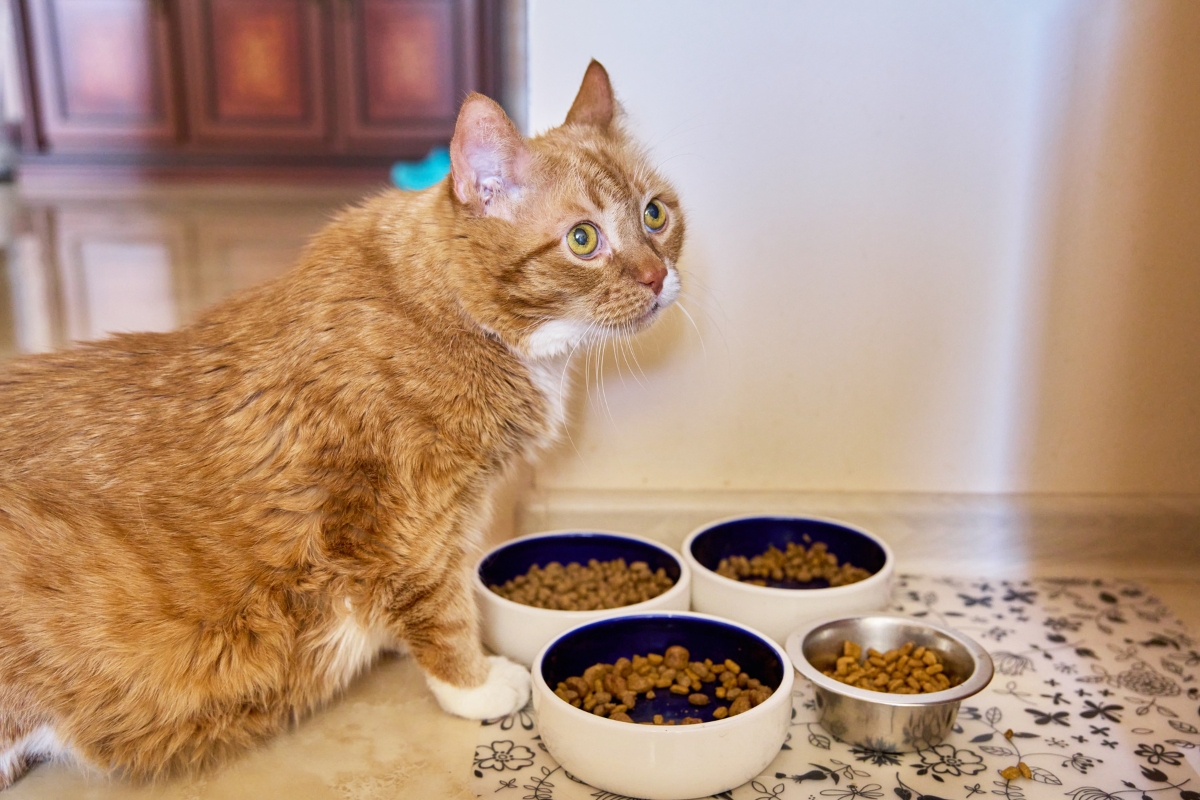
There are two main types of food to consider when feeding your senior cat: dry food and wet food. Both options have their benefits, and the best choice depends on your cat’s preferences, health, and lifestyle.
1. Wet Food
Wet food is often a good choice for senior cats because it provides hydration, which is essential for maintaining kidney function and preventing urinary tract issues. As cats age, they may not drink as much water, so the added moisture in wet food can help keep them hydrated.
Wet food is also easier to chew and digest, making it ideal for cats with dental issues, which are common in senior cats. If your cat struggles with dental problems, look for soft or pate-style wet food.
2. Dry Food
Dry food is convenient and can be left out for your cat to nibble on throughout the day. However, it lacks moisture, which can be a concern for senior cats who are prone to dehydration. If you choose dry food, ensure your cat has access to plenty of fresh water at all times.
Some dry foods are formulated specifically for senior cats, offering the right balance of nutrients and a lower calorie count. Look for high-protein, low-fat options that support muscle maintenance and joint health.
Special Diets for Health Conditions
Senior cats are prone to certain health issues, such as kidney disease, diabetes, and arthritis. In some cases, feeding a special diet may be necessary to manage these conditions.
- Kidney Disease: If your cat has kidney disease, a lower-protein, phosphorus-controlled diet may be recommended to reduce the strain on their kidneys.
- Diabetes: Cats with diabetes may benefit from a diet that is high in protein and low in carbohydrates to help stabilize their blood sugar levels.
- Arthritis: For cats with arthritis, a diet rich in omega fatty acids and joint-supporting supplements like glucosamine and chondroitin can help reduce inflammation and improve mobility.
Feeding Tips for Senior Cats
In addition to choosing the right food, there are a few tips you can follow to make mealtime more enjoyable and beneficial for your senior cat:
- Feed Small, Frequent Meals
Senior cats may have smaller appetites, so it’s best to feed them smaller portions more frequently throughout the day. This helps maintain their energy levels and ensures they’re getting the nutrients they need. - Monitor Weight
Keep an eye on your cat’s weight. If your cat is losing weight, it may indicate an underlying health problem. Conversely, if they’re gaining too much weight, you may need to adjust their calorie intake. - Make Mealtime Comfortable
Make sure your cat has a quiet and comfortable space to eat. Senior cats may have arthritis or other mobility issues, so providing a low, easily accessible food dish can make eating easier. - Provide Fresh Water
Encourage your senior cat to drink plenty of water by providing fresh water throughout the day. Consider using a water fountain to entice them, as many cats prefer running water.
When it comes to feeding a senior cat, it’s important to choose food that meets their unique needs. A high-quality diet rich in protein, low in fat, and supplemented with essential nutrients will help your senior cat maintain good health and a high quality of life. Whether you choose wet or dry food, be sure to monitor their weight and overall health to ensure they’re getting the nutrients they need.
At River’s Edge Animal Hospital, we offer expert advice on senior cat care and can help guide you in choosing the best food for your senior cat. Schedule an appointment today to ensure your cat’s nutritional needs are met for a happy and healthy life.
FAQs
Q1. How do I know if my senior cat is overweight?
Ans. If your senior cat has difficulty jumping, moving around, or has trouble breathing, it may be a sign of weight gain. Check for visible fat deposits and consult with your vet to determine if a diet change is necessary.
Q2. Can senior cats eat the same food as adult cats?
Ans. While senior cats can eat adult cat food, it’s often better to provide food specifically formulated for senior cats, which addresses their unique nutritional needs.
Q3. Is wet food better for senior cats?
Ans. Wet food can be better for senior cats as it provides additional moisture, which is crucial for hydration and kidney function, common concerns in older cats.
Q4. Should I feed my senior cat more than once a day?
Ans. Yes, senior cats may benefit from smaller, more frequent meals to help with digestion and maintain their energy levels.
Q5. Can I mix wet and dry food for my senior cat?
Ans. Yes, mixing wet and dry food can provide variety and help ensure your cat gets both hydration and the benefits of dry food for dental health.
Q6. How can I encourage my senior cat to eat more?
Ans. Try offering a variety of textures and flavors, warming up the food to enhance aroma, and ensuring your cat has a comfortable and quiet space to eat.