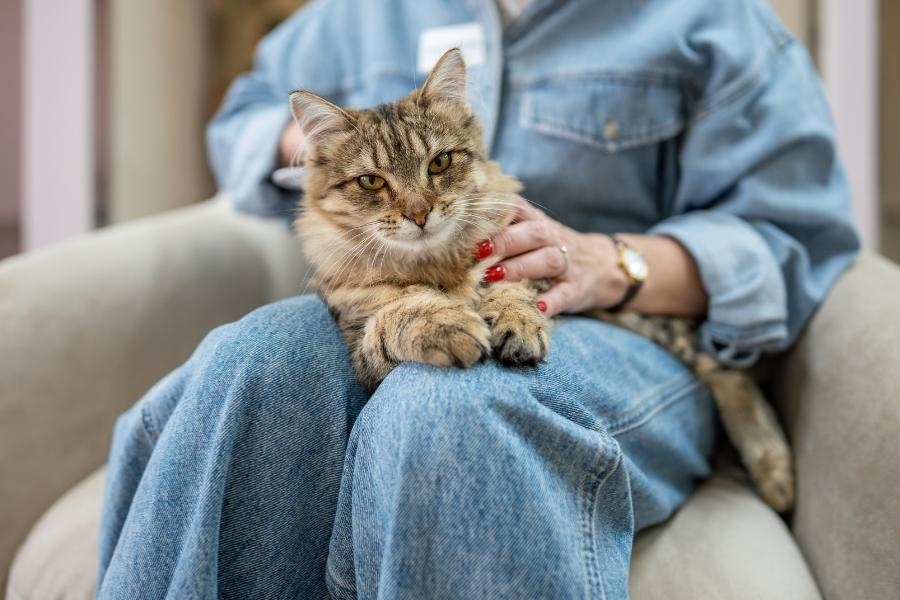

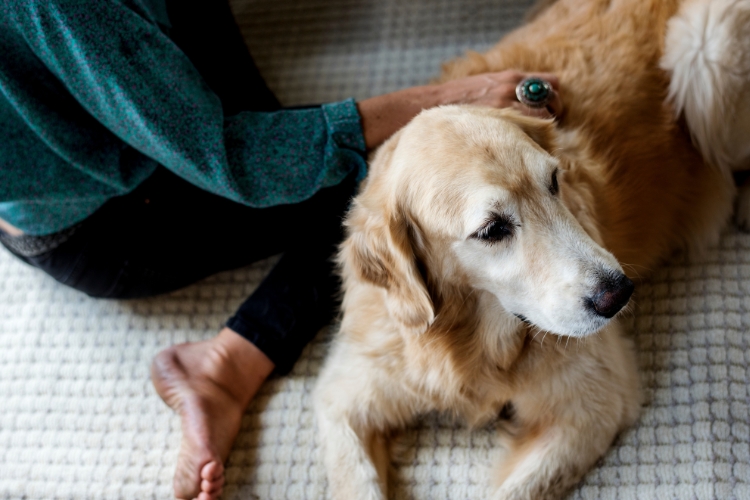
As your pet ages, their needs evolve, and ensuring they remain comfortable and healthy becomes even more crucial. Senior pets, like humans, experience a variety of health changes that require extra attention. From managing joint pain to adapting their diet, knowing how to care for your senior pet can significantly improve their quality of life.
If you’re a pet owner in Rock Hill, SC, and want to ensure your aging pet has the best care, this blog is especially for you. We’ll walk you through essential tips for managing your senior pet’s health, covering everything from diet adjustments to the right type of exercise. By understanding these key aspects of senior pet care, you can provide them with a happier, healthier life in their golden years.
The Crucial Importance of Acting Early on Caring for Senior Pet Health
As pets age, their bodies go through significant changes. Senior pets—usually those over 7 years old—may experience reduced mobility, changes in appetite, and cognitive decline. Just like people, pets are prone to developing health conditions that may require special care, including arthritis, heart disease, dental issues, and kidney disease.
Recognizing the signs of aging and acting early can help prevent or manage these health issues before they become serious. Senior pet care involves adjusting their diet, exercise routine, and healthcare needs to suit their new stage of life. Providing this care at the right time ensures that your pet remains comfortable and healthy as they age.
Diet: The Foundation of Senior Pet Health
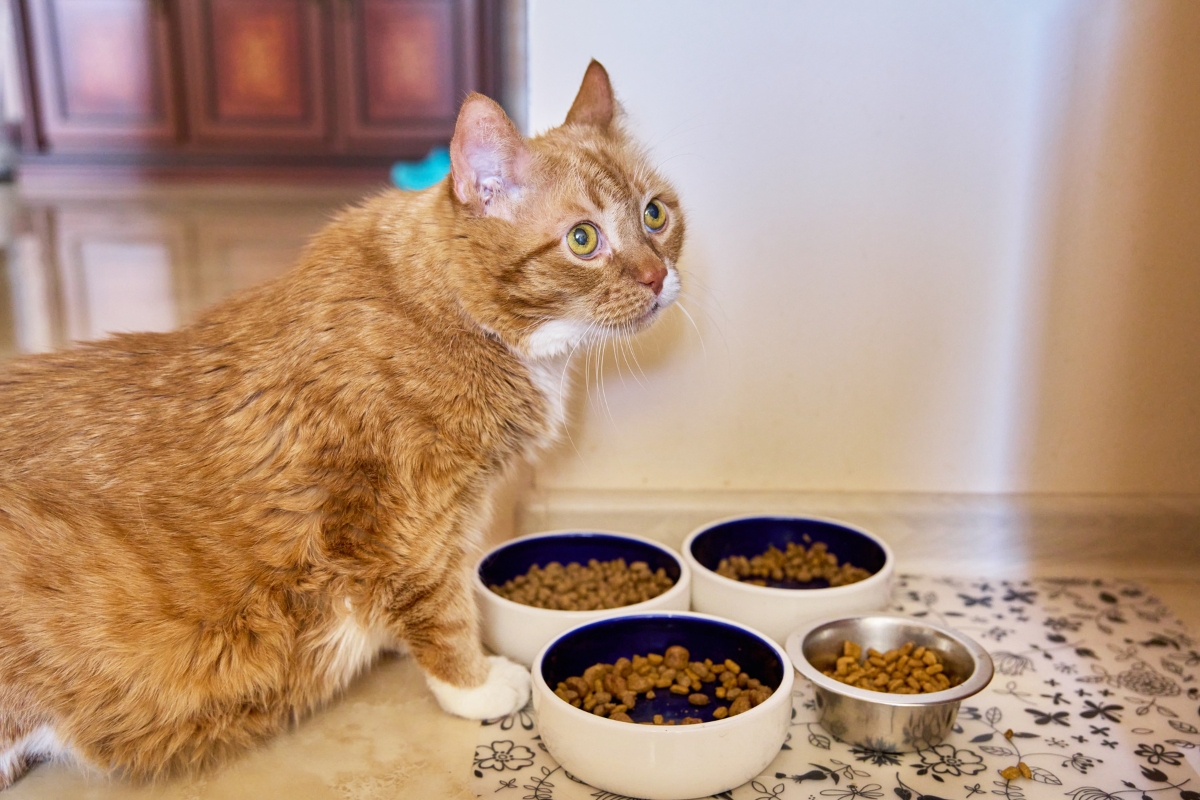
A well-balanced diet is crucial for senior pets to maintain optimal health. As pets get older, their nutritional needs change, and their metabolism slows. Senior pets often require fewer calories but more nutrients to support their immune system, joints, and overall health.
1. Switch to Senior-Specific Food
Senior pet foods are formulated to address the specific needs of aging animals. These diets typically contain higher fiber content to support digestion, lower fat content to manage weight, and added nutrients to support joint health and cognitive function.
What to Look For:
- High-quality protein: Older pets still need protein to maintain muscle mass, but the protein should be easily digestible.
- Joint-supporting nutrients: Ingredients like glucosamine and chondroitin can help manage arthritis and support joint health.
- Omega fatty acids: These support skin health, coat condition, and cognitive function in older pets.
2. Control Portion Sizes
Obesity is a common problem for senior pets and can exacerbate conditions like arthritis and diabetes. It’s essential to monitor your pet’s weight and adjust their portion sizes accordingly. Overfeeding can lead to weight gain, which places extra strain on their joints and organs.
Tips for Portion Control:
- Measure your pet’s food to avoid overfeeding.
- Regularly assess your pet’s body condition and adjust their food intake as needed.
- Use a weight-management food if your pet tends to gain weight easily.
3. Hydration is Key
Dehydration is a significant concern for senior pets, particularly those with kidney disease. Make sure your pet always has access to fresh, clean water. Adding wet food to their diet can also help increase their water intake, especially for cats who may not drink enough water on their own.
What to Look For:
- Wet food: For added hydration, especially in cats who don’t drink enough water.
- Water bowls: Ensure there are multiple water bowls throughout your home to encourage your pet to drink.
Exercise: Maintaining Mobility and Joint Health
While older pets may not be as active as they once were, regular exercise is essential for keeping them mobile and preventing further health issues like obesity and muscle atrophy. However, their exercise needs change with age, and it’s important to adapt their routine to suit their physical condition.
1. Low-Impact Exercise
Low-impact exercises are excellent for senior pets, especially those with joint issues. Short walks, gentle play sessions, and swimming (for dogs) can help maintain muscle strength and joint flexibility without putting too much strain on their body.
Types of Exercise:
- Short walks: A couple of short walks a day can help maintain joint health and prevent obesity.
- Swimming: For dogs, swimming is an excellent, low-impact exercise that strengthens muscles and alleviates joint pain.
- Interactive play: Gentle play with toys can stimulate your pet mentally and physically.
2. Managing Joint Pain
Arthritis and other joint issues are common in senior pets. Pain management is crucial to maintaining your pet’s mobility and comfort. Speak with your veterinarian about safe pain relief options such as non-steroidal anti-inflammatory drugs (NSAIDs) or joint supplements.
Joint Care Tips:
- Provide a comfortable bed with memory foam or orthopedic support to reduce pressure on your pet’s joints.
- Regular, low-impact exercise to keep joints moving without overexertion.
- Weight management to reduce strain on joints.
3. Avoid Strenuous Activities
While exercise is important, be cautious not to push your senior pet too hard. Avoid high-impact activities, such as running or jumping, that may aggravate joint issues or cause injury.
What to Avoid:
- High-intensity exercise: Such as long runs or intense play sessions.
- Jumping: Avoid allowing your senior pet to jump on furniture or climb stairs, as this can stress their joints.
Health Monitoring: Regular Vet Check-ups
As your pet ages, regular veterinary check-ups are essential for identifying any health issues early. Senior pets are at higher risk for a variety of conditions, including heart disease, diabetes, and kidney disease. Early detection can help manage these conditions and improve your pet’s quality of life.
1. Routine Exams and Screenings
Routine exams are crucial for senior pets. Your veterinarian will perform a thorough examination and may recommend blood tests, X-rays, or ultrasounds to monitor your pet’s health and detect early signs of disease.
What to Expect at Senior Pet Check-ups:
- Blood tests: To monitor organ function and detect conditions like kidney or liver disease.
- X-rays or ultrasounds: To assess joint health and detect internal issues like tumors or heart disease.
- Urine tests: To check for signs of kidney disease or diabetes.
2. Parasite Prevention
Senior pets still need protection from parasites like fleas, ticks, and intestinal worms. Their immune systems may not be as robust as they were when they were younger, so it’s important to keep them protected throughout their lives.
Parasite Prevention Tips:
- Flea and tick preventives: Make sure your pet is up to date on their flea and tick treatments.
- Deworming: Regular deworming is essential for senior pets to prevent intestinal parasites.
3. Cognitive Function Monitoring
Just like humans, pets can experience cognitive dysfunction as they age. Symptoms may include disorientation, trouble recognizing familiar people, or changes in sleep patterns. If you notice these signs, talk to your vet about managing your pet’s cognitive decline.
Tips for Supporting Cognitive Health:
- Mental stimulation: Provide toys and activities that challenge your pet’s mind.
- Consistency: Keep a consistent routine to reduce confusion.
- Supplements: Some supplements can help support cognitive function in senior pets.
Helping Your Senior Pet Live Their Best Life
Senior pet care is all about proactive management. From diet and exercise to regular vet check-ups, ensuring that your pet receives the right care at this stage of life can help them stay comfortable and happy for many years to come. By maintaining a healthy weight, providing gentle exercise, and monitoring their health, you’ll be able to give your senior pet the best possible care.
If you’re in Rock Hill and want to ensure your senior pet receives the care they deserve, schedule an appointment with River’s Edge Animal Hospital. Contact us to find a veterinary clinic near you that provides the senior dog care your pet needs. Our team is here to provide the support and help you create a personalized care plan for your senior pet, ensuring they stay healthy, active, and comfortable in their golden years.
FAQs
1. When is my pet considered a senior?
Pets are typically considered senior at 7 years of age, but larger breeds may show signs of aging earlier. Smaller pets tend to age more slowly and may remain active for a few years longer.
2. How often should I take my senior pet to the vet?
Senior pets should have regular check-ups every six months. Regular visits allow your vet to monitor for early signs of illness and keep track of your pet’s health.
3. Can I still play with my senior pet?
Yes, but with modifications. Engage in gentle play and low-impact activities, such as short walks or puzzle toys, to keep your senior pet mentally and physically stimulated.
4. How can I help my senior pet with joint pain?
Joint supplements, anti-inflammatory medications, and low-impact exercise can help manage joint pain. Consult your vet about options such as pain-relief medications and physical therapy.
5. What should I feed my senior pet?
Senior pets require a special diet designed to support their aging bodies. Look for food formulated for seniors that includes high-quality protein, fiber, and added joint support nutrients.
6. Are there any senior pet-friendly parks in Rock Hill?
Yes, Rock Hill has several pet-friendly parks, such as Riverwalk Park, which are ideal for leisurely walks with your senior pet. Just be sure to keep the pace slow and avoid overexerting your pet.