
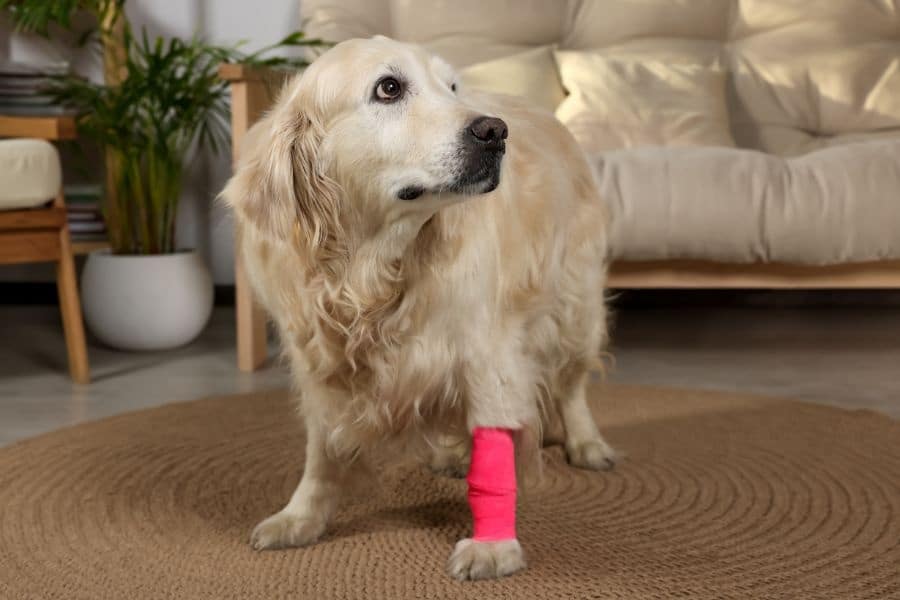
Seeing your dog or cat suddenly begin limping can be alarming. One moment your pet is running, jumping, or playing normally, and the next they refuse to put weight on a leg or appear uncomfortable while walking. While some cases of limping may result from a minor strain, others can indicate a more serious injury or medical condition that requires prompt attention.
For pet owners in Rock Hill, knowing how to respond when limping appears suddenly can help protect your pet from further injury. Understanding the warning signs and recognizing when urgent vet care is needed allows your companion to receive timely evaluation and appropriate treatment.
What Causes Sudden Limping in Pets?
Limping is a symptom rather than a diagnosis. It can affect one or multiple limbs and may develop suddenly or gradually depending on the underlying cause.
Some common reasons pets begin limping include:
- Sprains or muscle strains
- Cuts or wounds on the paw
- Broken or torn nails
- Insect stings or bites
- Foreign objects lodged in the paw
- Joint injuries
- Ligament damage
- Bone fractures
- Arthritis flare-ups
- Hip or elbow problems
Because many of these conditions produce similar symptoms, a veterinary examination is often necessary to determine the exact cause.
Signs That Limping May Be Serious
Some pets continue walking despite being in significant pain, making it important to observe more than just the limp itself.
Seek urgent vet care if your pet:
- Refuses to bear weight on a limb
- Cries or vocalizes when moving
- Has visible swelling around a joint
- Shows an obvious wound or bleeding
- Has a limb that appears bent or misshapen
- Experiences sudden paralysis or weakness
- Has difficulty standing up
- Becomes unusually quiet or withdrawn
- Continues limping for several hours without improvement
Prompt veterinary evaluation helps prevent additional damage and allows treatment to begin as soon as possible.
What Should You Do First?
If your pet suddenly starts limping, avoid encouraging them to continue running or playing. Activity may worsen certain injuries.
Instead:
- Keep your pet calm.
- Restrict movement as much as possible.
- Avoid long walks or jumping.
- Examine the paw carefully for cuts, splinters, or debris if your pet allows.
- Do not attempt to straighten a limb that appears injured.
- Avoid giving human pain medications.
These simple steps can help reduce discomfort while preparing for a veterinary visit.
Common Paw Injuries That Cause Limping
Not every limp involves bones or joints. Paw injuries are surprisingly common and may develop during walks, hikes, or outdoor play.
Examples include:
- Torn paw pads
- Broken toenails
- Glass or thorns lodged in the foot
- Burns from hot pavement
- Small puncture wounds
Even seemingly minor injuries can become infected if left untreated. If you notice persistent limping after removing visible debris, seek urgent pet care for a professional evaluation.
Joint and Ligament Injuries
Active dogs and cats sometimes injure joints while running, jumping, or making sudden turns.
Common signs include:
- Difficulty standing after resting
- Limping that worsens after activity
- Swelling around the joint
- Reluctance to climb stairs
- Decreased interest in exercise
Ligament injuries often require veterinary imaging and treatment to support proper healing.
Could It Be a Fracture?
Broken bones are usually associated with significant pain, but not every fracture causes obvious deformity.
Possible fracture symptoms include:
- Complete refusal to bear weight
- Severe swelling
- Abnormal limb position
- Pain when the limb is touched
- Sudden crying after an accident
If you suspect a fracture, minimize movement and seek urgent vet care as soon as possible.
How Veterinarians Diagnose Limping
Finding the exact cause of limping often requires more than a physical examination.
Depending on your pet’s symptoms, your veterinarian may recommend:
- Orthopedic examination
- Joint mobility assessment
- X-rays
- Ultrasound imaging
- Neurological evaluation
- Blood tests if an underlying illness is suspected
These diagnostic tools help identify injuries, joint disease, infections, or other medical conditions affecting your pet’s mobility.
Preventing Future Injuries
Although accidents cannot always be avoided, there are several ways to reduce your pet’s risk of limping.
Helpful preventive measures include:
- Maintain a healthy body weight.
- Keep nails properly trimmed.
- Avoid rough play on slippery surfaces.
- Check paws after outdoor walks.
- Supervise pets around sharp objects.
- Gradually increase exercise intensity.
- Schedule routine wellness examinations.
Simple preventive care supports healthy joints and reduces the likelihood of injuries.
Why Prompt Veterinary Evaluation Matters
Some pets appear to recover after resting for a few hours, only for the limp to return later. Delaying treatment may allow underlying injuries to worsen or become more difficult to manage.
If limping is severe, persistent, or accompanied by swelling, pain, or an inability to bear weight, seeking urgent vet care provides the opportunity for an accurate diagnosis and timely treatment. For families in Rock Hill, acting quickly helps protect mobility, reduce discomfort, and support a smoother recovery.
River’s Edge Animal Hospital is dedicated to providing compassionate care for pets experiencing sudden injuries, mobility concerns, and other unexpected medical conditions.
Schedule an Online Appointment
If your pet has developed a sudden limp or is showing signs of pain while walking, schedule an online appointment for a professional evaluation. Early diagnosis can help identify the cause and support a faster recovery.
Call Our Team Today
If you have questions about your pet’s limping or need guidance on the next steps, call our team at (803) 567-5568. We’re here to help you determine when your pet should be seen for veterinary care.
Frequently Asked Questions
Q1. When does limping require urgent vet care? If your pet refuses to bear weight on a limb, has significant swelling, visible wounds, severe pain, or the limping continues without improvement, prompt veterinary evaluation is recommended.
Q2. Can a small paw injury cause noticeable limping? Yes. Cuts, torn paw pads, broken nails, splinters, or small puncture wounds can all make walking painful and should be evaluated if symptoms persist.
Q3. Should I let my pet continue walking if they are limping? It’s generally best to limit activity until your pet has been examined. Continued movement may worsen certain injuries, particularly those involving joints or ligaments.
Q4. Can arthritis cause sudden limping? Yes. Pets with arthritis may experience flare-ups that lead to increased pain and temporary limping, especially after exercise or changes in activity levels.
Q5. What tests might my veterinarian recommend for a limping pet? Depending on the suspected cause, your veterinarian may perform an orthopedic examination, take X-rays, assess joint movement, or recommend additional diagnostic tests to determine the source of the problem.