

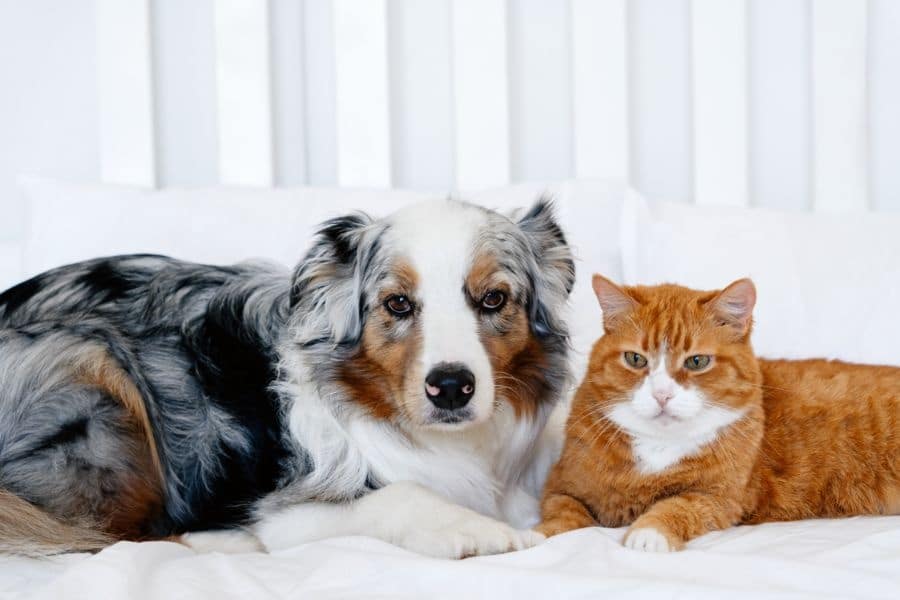
Every pet owner hopes for one thing—a long, happy life with their furry companion. While good nutrition, exercise, and plenty of love are important, routine veterinary care plays an equally significant role in supporting your pet’s health over the years. Many serious health conditions develop gradually and may not show obvious signs until they’ve progressed.
That’s why pet preventative care is one of the smartest investments you can make for your pet. Regular veterinary visits help identify potential concerns early, support overall wellness, and provide personalized recommendations based on your pet’s age, breed, and lifestyle.
Here are five routine vet treatments that can contribute to a healthier, longer life for your pet.
1. Routine Wellness Examinations
Wellness exams are the foundation of lifelong pet health. Even when your pet appears healthy, regular examinations allow veterinarians to monitor changes that might otherwise go unnoticed.
During a wellness visit, your veterinarian may assess:
- Body weight and condition
- Heart and lung function
- Skin and coat health
- Eyes, ears, and teeth
- Joint mobility
- Overall physical condition
These visits also provide an opportunity to discuss nutrition, behavior, exercise, and any changes you’ve noticed at home. Consistent pet wellness care helps establish a health baseline, making it easier to recognize subtle changes over time.
2. Diagnostic Screening and Laboratory Testing
Not every health issue causes visible symptoms in its early stages. Routine diagnostic testing allows veterinarians to evaluate your pet’s internal health before problems become more serious.
Depending on your pet’s age and health status, your veterinarian may recommend:
- Blood testing
- Urinalysis
- Fecal examinations
- Imaging when appropriate
These screenings can help identify changes that aren’t visible during a physical examination, allowing for earlier management and better long-term outcomes.
3. Professional Dental Care
Oral health affects much more than your pet’s teeth. Dental disease can contribute to discomfort, difficulty eating, and may impact overall health if left unmanaged.
Routine dental evaluations help detect issues before they become more advanced.
A comprehensive dental care plan may include:
- Oral examinations
- Professional dental cleanings
- Home dental care recommendations
- Monitoring for signs of gum disease
Healthy teeth and gums contribute to better comfort and improved quality of life throughout your pet’s lifetime.
4. Parasite Prevention and Routine Screening
Parasites remain a concern throughout much of the year, making prevention an important part of pet preventative care.
Routine veterinary visits help determine the most appropriate parasite prevention plan based on your pet’s lifestyle and potential exposure.
Regular screening and prevention support protection against:
- Fleas
- Ticks
- Heartworms
- Intestinal parasites
Maintaining a consistent prevention schedule helps reduce health risks while supporting your pet’s overall well-being.
5. Weight and Nutrition Management
Maintaining a healthy weight is one of the simplest ways to improve your pet’s quality of life.
Excess weight places additional stress on joints, the heart, and other body systems. During routine wellness visits, veterinarians evaluate your pet’s body condition and recommend nutritional adjustments when needed.
Nutrition discussions often include:
- Appropriate portion sizes
- Life-stage dietary recommendations
- Healthy treats
- Weight management goals
- Activity recommendations
Small dietary adjustments today can have lasting benefits for your pet’s future health.
Why Preventive Care Matters
Many pet owners wait until they notice obvious signs of illness before scheduling a veterinary appointment. However, preventive care focuses on maintaining health rather than reacting to problems after they develop.
Routine veterinary visits allow professionals to:
- Monitor long-term health trends
- Detect subtle changes early
- Provide personalized recommendations
- Support healthy aging
- Promote better quality of life
These proactive steps often help pets remain active and comfortable well into their senior years.
Supporting Your Pet Through Every Life Stage
A puppy or kitten has very different healthcare needs than a senior companion. As pets age, their bodies change, making regular monitoring increasingly valuable.
A personalized pet wellness care plan evolves alongside your pet, helping ensure they receive the appropriate care throughout every stage of life.
If you’re looking for trusted pet preventative care in Rock Hill, choosing a veterinary team that emphasizes routine wellness can make a meaningful difference in your pet’s long-term health and happiness.
At River’s Edge Animal Hospital, we’re committed to helping pets live healthier lives through comprehensive wellness services, preventive care, and personalized treatment plans. Whether your pet is just starting life or enjoying their senior years, our experienced team is here to support their lifelong well-being.
FAQ
Q1. How often should my pet have a wellness examination?
Ans: Most healthy adult pets benefit from annual wellness examinations, while puppies, kittens, senior pets, or those with ongoing health concerns may require more frequent visits based on your veterinarian’s recommendations.
Q2. Why is preventive care important if my pet seems healthy?
Ans: Many health conditions develop gradually without noticeable symptoms. Routine veterinary visits help detect subtle changes early, allowing your veterinarian to recommend appropriate care before problems become more advanced.
Q3. What happens during a routine wellness visit?
Ans: A wellness visit typically includes a complete physical examination, weight assessment, evaluation of your pet’s overall condition, and discussions about nutrition, behavior, lifestyle, and any health concerns you may have noticed.
Q4. Can nutrition really affect my pet’s lifespan?
Ans: Yes. Proper nutrition supports healthy weight, strong muscles, organ function, and overall wellness. Maintaining an appropriate diet throughout your pet’s life can reduce the risk of several chronic health conditions.
Q5. When should senior pets visit the veterinarian more frequently?
Ans: As pets age, regular monitoring becomes increasingly important. More frequent wellness visits allow veterinarians to track age-related changes, adjust care plans, and support long-term comfort and quality of life.