
Every pet parent knows the quiet anxiety that comes with a sudden shift in their companion’s health or behavior. A dog who usually sprints to the kitchen door suddenly hesitates to stand up, or a cat who loves morning meals ignores their bowl entirely. In these moments, it is tempting to fall into the “wait and see” mindset, hoping that a few hours of quiet rest will reset their system. However, waiting too long can turn a manageable issue into a complex medical challenge.
Seeking urgent vet care offers a proactive alternative to the uncertainty of watching and waiting. It provides rapid evaluation for acute, non-life-threatening health shifts, ensuring your companion receives timely relief before minor issues escalate. For families living in Rock Hill, understanding when to move past the “wait and see” mindset helps protect companion animals and keeps recovery timelines short and manageable.
The Hidden Risks of Delaying Evaluation
Animals possess an incredible instinctual ability to hide physical pain and discomfort. By the time an illness or injury presents obvious outward signs, a pet’s body has often been working overtime to compensate for hours or days. Choosing to wait can unintentionally compound health risks for several reasons.
Physiological Strain and Dehydration
When pets experience digestive upset or localized discomfort, their bodily reserves drain quickly. A short period of vomiting or fluid loss can lead to rapid dehydration, which strains kidney function and lowers energy levels, making recovery more demanding.
Secondary Complications and Infection
Superficial wounds, torn quicks on nails, or minor skin scrapes exposed to environmental bacteria can rapidly develop localized infections if left uncleaned. What begins as a minor surface irritation can require far more extensive care if bacteria take hold.
Prolonged Stress and Pain
Unmanaged discomfort places continuous physical stress on an animal’s body. Pain elevates stress hormones, which can suppress natural immune responses and slow down cellular repair. Fast intervention restores physical comfort and keeps stress levels low.
Common Signs It Is Time to Skip the “Wait and See” Approach
Knowing which physical and behavioral symptoms benefit from prompt attention helps you take decisive action. Utilizing urgent pet care for these acute health shifts ensures your companion receives targeted support right when they need it.
Sudden Gastrointestinal Disruptions
While a single skipped treat might not trigger concern, continuous stomach upset, loose stools, or total loss of appetite lasting more than twelve to twenty-four hours requires clinical attention. Fast fluid support and anti-nausea therapy calm the digestive tract quickly.
Acute Physical Trauma and Limping
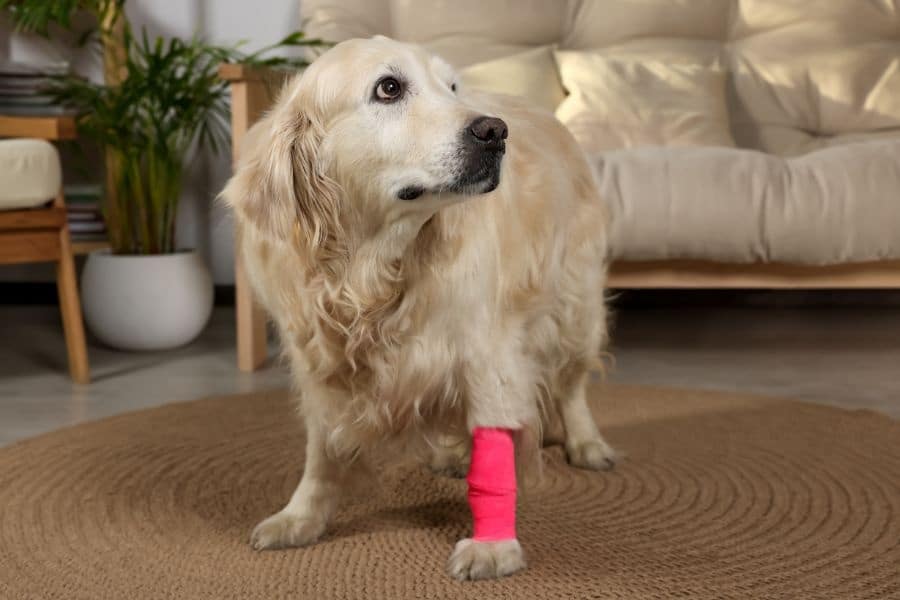
If your pet suddenly refuses to bear weight on a leg after running, steps awkwardly, or shows visible joint swelling, home rest alone may not address underlying joint or soft tissue strain. In-house diagnostics help rule out structural damage and provide safe, targeted pain relief.
Sudden Eye and Ear Changes
Pawing at an eye, sudden cloudiness, squinting, or vigorous head shaking points to localized irritation, foreign debris, or ear canal inflammation. Because delicate eye and ear structures can suffer long-term damage quickly, prompt evaluation is always recommended.
Uncharacteristic Lethargy or Hiding
When an outgoing pet becomes unusually withdrawn, seeks out cold floors, or refuses to interact with family members, they are signaling internal distress. Professional evaluations help identify underlying fever, organ strain, or hidden pain.
What to Expect During an Urgent Pet Care Visit
Choosing prompt medical support gives you access to swift in-house diagnostic tools and targeted treatment protocols designed to deliver fast answers.
Modern Diagnostic Capabilities
- In-House Laboratory Screens: Comprehensive blood work and chemistry profiles measure organ health, blood sugar, and systemic inflammation markers within minutes.
- Digital Imaging: Radiographs yield instant, high-definition views of internal organ alignment, bone integrity, and potential foreign objects.
- Point-of-Care Cytology: Rapid microscopic analysis identifies localized bacterial or fungal involvement directly on site.
Custom Treatment Pathways
Once diagnostic assessments are complete, the clinical team implements a focused recovery plan. Administering precise fluids, pet-safe pain management, or soothing topical therapies directly addresses the root cause of discomfort, allowing your pet to return home safely to rest.
Supporting Companion Animals in Rock Hill
Being a dedicated pet owner means observing daily routines and trusting your intuition when something feels unusual. Watching for subtle shifts in appetite, energy, and mobility gives you the insight needed to act before small problems grow.
If you are from Rock Hill and looking for urgent vet care, choosing early evaluation over the “wait and see” trap ensures your companion receives experienced, gentle attention right when symptoms arise.
Taking action early preserves your pet’s vitality, protects their overall health, and gives you complete confidence in their ongoing wellness journey.
When your pet exhibits unexpected health changes, minor physical injuries, or sudden physical discomfort, securing a prompt evaluation keeps their recovery moving in the right direction. You can easily schedule an online appointment through our portal to reserve a convenient evaluation time for your dog or cat.
If your pet is actively displaying uncomfortable symptoms and you prefer to speak directly with our clinical staff before arriving, please call our team at 803-567-5568 so we can offer immediate guidance and prepare for your arrival.
Our compassionate medical team looks forward to supporting your family and providing exceptional care at River’s Edge Animal Hospital.
Frequently Asked Questions
Q1. Why is the “wait and see” approach particularly risky for senior pets?
Senior pets have lower physiological reserves and often live with underlying, age-related conditions like early kidney disease or arthritis. When a senior pet experiences a sudden health dip, their body cannot compensate as effectively as a younger animal. Prompt care prevents minor stressors from triggering severe metabolic imbalances or prolonged pain.
Q2. What should I do if my pet shows signs of extreme discomfort after business hours?
If your pet shows signs of physical pain, restlessness, or acute illness outside regular hours, assess their symptoms carefully. Seeking prompt intermediate care or contacting a local facility gives you immediate guidance on whether your pet needs immediate stabilization or if they can be evaluated during early clinical hours.
Q3. How can in-house blood work help if my pet just seems lethargic?
Lethargy is a broad symptom that can stem from various internal shifts, such as dehydration, low blood sugar, organ strain, or systemic inflammation. In-house blood chemistry panels analyze internal organ function within minutes, allowing veterinarians to pinpoint the exact physiological cause and begin targeted treatment immediately.
Q4. Can a minor joint sprain get worse if I choose to monitor it at home?
Yes. If a pet continues to walk or jump on an injured joint or strained ligament without pain relief or activity restriction, they risk causing further soft tissue damage or joint inflammation. Early evaluation provides pet-safe anti-inflammatory care and clear guidelines to protect the limb while it heals.
Q5. How can I keep my pet comfortable during the drive to the clinic?
Keep your vehicle cool, quiet, and well-ventilated. Secure small pets inside a padded carrier lined with soft towels, and gently support larger pets while helping them into the car. Speak in calm, reassuring tones and avoid offering food or water until a veterinarian examines them.