Preparing your home before your pet undergoes surgery can make the recovery process more comfortable and manageable. After a procedure, your dog or cat may feel sleepy, move more slowly, or need help with everyday activities. A calm environment, appropriate rest, and consistent monitoring can support healing while reducing the risk of complications.
Whether your pet is scheduled for an elective procedure or soft-tissue surgery, planning ahead is an important part of responsible pet ownership. Good post-operative care begins before you bring your companion home. For pet parents in Rock Hill, River’s Edge Animal Hospital can provide procedure-specific instructions to help you understand what your pet needs during recovery.
Why a Dedicated Recovery Space Matters
After pet surgery, animals may have temporary changes in balance, energy, appetite, and movement. Anesthesia and prescribed medications can also make some pets drowsy or less coordinated during the initial recovery period.
A dedicated recovery area helps limit unnecessary movement and provides a quiet place where your pet can rest. It also makes it easier for you to monitor eating, drinking, bathroom habits, and the surgical site.
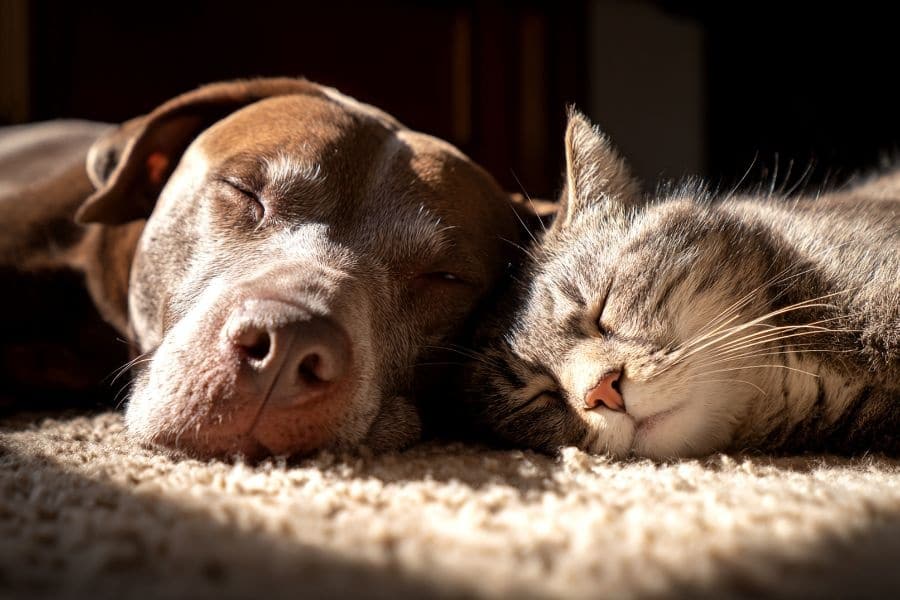
Choose a space that is familiar, comfortable, and away from busy household activity. Avoid areas where children, visitors, or other pets frequently pass through. The goal is to create an environment that supports rest without making your companion feel isolated or uncomfortable.
Step 1: Choose a Quiet and Comfortable Recovery Zone
Start by selecting a room or enclosed area where your pet can relax without being disturbed. A spare bedroom, a quiet corner of the living room, or a suitable pet enclosure may work, depending on your companion’s size and mobility.
Keep the following considerations in mind:
- Choose a location away from loud televisions, household appliances, and frequent foot traffic.
- Provide a clean, soft, supportive bed that is easy to enter and leave.
- Keep the room at a comfortable temperature with good ventilation.
- Place fresh water nearby, following any feeding or drinking instructions from your veterinary team.
- Keep the area free from clutter, loose wires, and objects that could cause trips or falls.
For cats, a quiet room with a familiar blanket and an easily accessible litter box can help reduce stress. For dogs, a comfortable bed or appropriately sized crate may be suitable if they are already comfortable using it.
Do not introduce crate confinement for the first time immediately after surgery without discussing it with your veterinarian. Some pets become anxious in unfamiliar enclosures, which can interfere with restful recovery.
Step 2: Make Food, Water, and Bathroom Access Easy
Your pet may not feel ready to walk long distances or climb stairs immediately after returning home. Arrange essential supplies within easy reach to reduce unnecessary movement.
Place food and water bowls on a stable, non-slip surface. Follow the feeding instructions provided by your veterinary team, since the timing and amount of food offered after anesthesia may depend on the procedure and your pet’s condition.
Bathroom access also needs attention. Dogs may require short, controlled leash walks rather than their usual outdoor exercise. Choose a nearby toilet area with stable ground and avoid routes that involve steep steps or uneven surfaces.
For cats, place a clean litter box close to the recovery area. A low-entry box may be helpful if your cat has difficulty stepping over high sides. Ask your veterinarian whether any special litter or hygiene precautions are needed, particularly after certain procedures.
Step 3: Manage Physical Activity During Healing
One of the most important parts of post-operative care is preventing excessive activity. Even if your pet seems energetic shortly after returning home, the tissues beneath the skin may still need time to heal.
Running, jumping, rough play, and sudden twisting movements can put stress on the surgical site. Follow the activity restrictions provided by your veterinarian rather than judging recovery by your pet’s energy level alone.
Helpful ways to manage movement include:
Use controlled leash walks: Take dogs outside for brief bathroom breaks as directed. Keep them on a leash to prevent sudden running or chasing.
Block access to stairs: Use pet gates or keep your companion on one level of the home when possible.
Limit jumping: Move furniture or objects that encourage jumping onto beds, sofas, and windowsills. Consider ramps only if your veterinarian approves their use.
Separate energetic pets: Other household animals may encourage wrestling or play. Provide a separate space until normal interaction is safe.
Follow confinement instructions: If your veterinarian recommends crate rest or restricted movement, follow the recommended schedule and ask for clarification if your pet becomes restless.
Activity restrictions vary according to the type of veterinary surgery performed. A routine soft-tissue procedure and an orthopedic operation may require very different recovery plans.
Step 4: Check the Surgical Incision Safely Every Day
Monitoring the incision is an important part of home care. Your veterinary team should explain how the surgical site is expected to look and whether any special cleaning instructions apply.
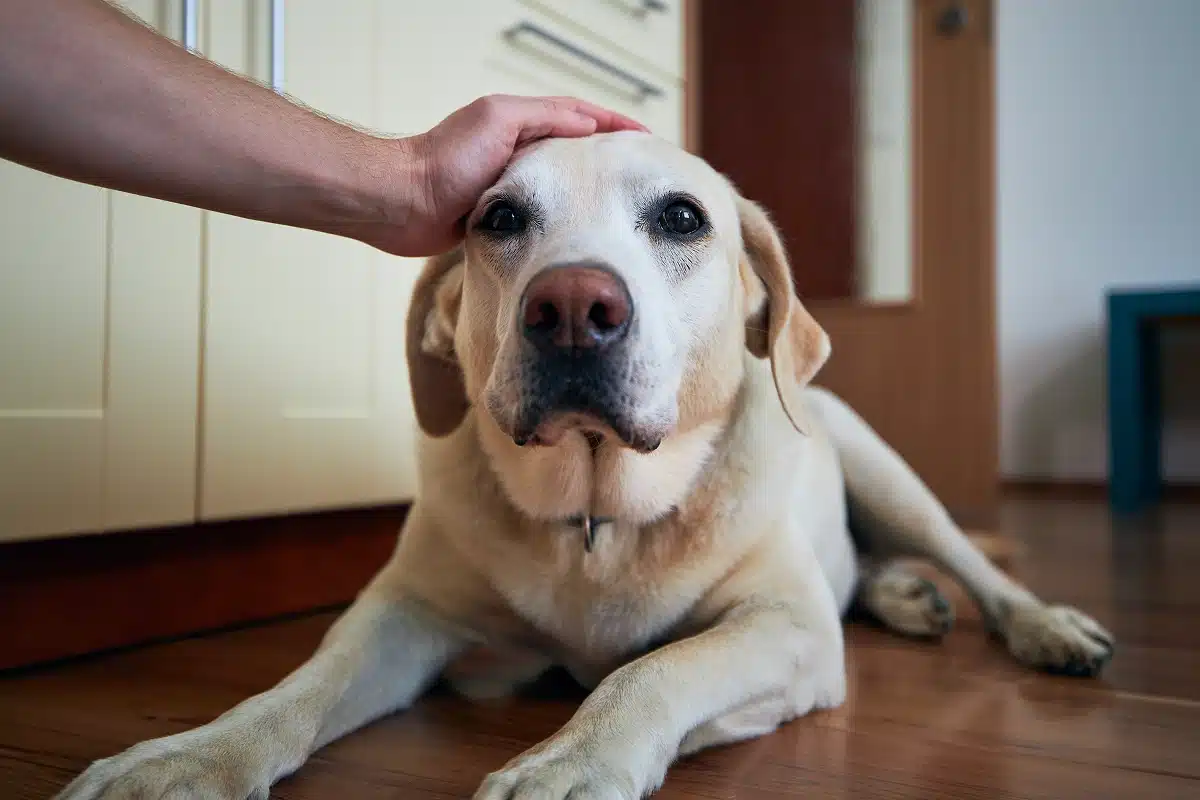
Check the area once or twice daily, or as directed. Wash your hands before examining it and avoid unnecessary touching. If your pet is uncomfortable or resists handling, do not force the inspection.
Look for changes such as:
- Increasing redness or swelling.
- Discharge, pus, or an unpleasant odor.
- Persistent bleeding or fluid leakage.
- Gaps or separation along the incision.
- Increasing warmth or tenderness.
- Sudden changes in your pet’s behavior that suggest discomfort.
A small amount of mild swelling or bruising may be expected after certain procedures, but your veterinary team should explain what is normal for your pet.
Keep the incision clean and dry according to the discharge instructions. Do not apply creams, disinfectants, powders, or home remedies unless your veterinarian recommends them. Avoid bathing or swimming until the surgical site has healed and your veterinary team confirms it is safe.
Step 5: Prevent Licking, Chewing, and Scratching
Pets may naturally try to lick or chew an incision because it feels unfamiliar or irritated. However, repeated attention to the surgical area can introduce bacteria, damage healing tissue, or cause stitches to loosen.
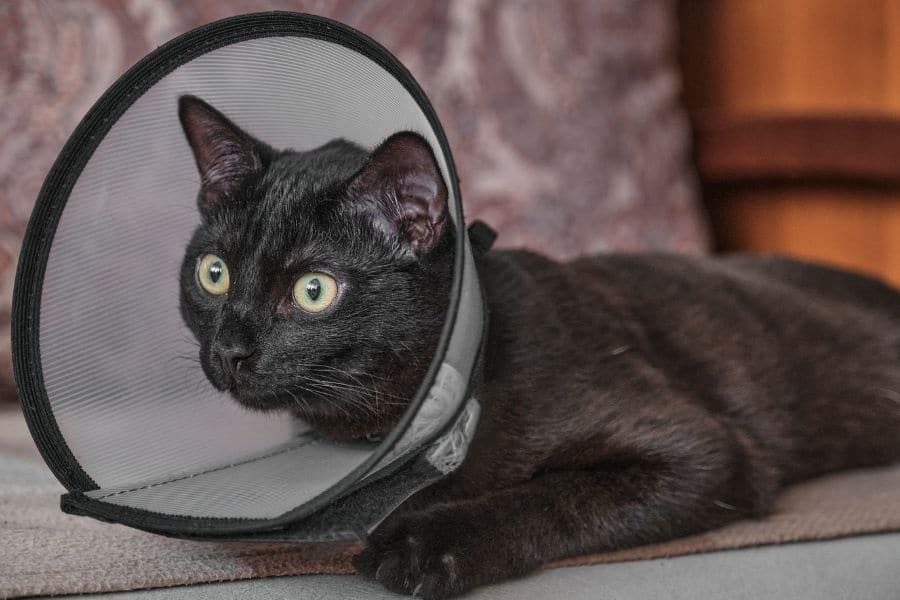
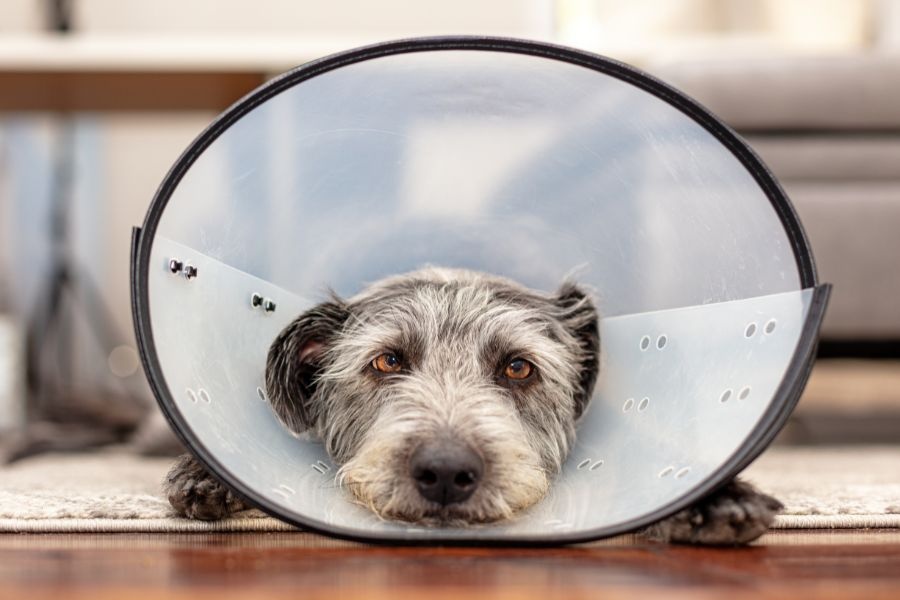
An Elizabethan collar, commonly called an e-collar or recovery cone, may be recommended to prevent access to the incision. Some pets may be suitable for a veterinarian-approved recovery suit instead.
Make sure the protective device fits correctly and does not interfere with breathing, eating, or drinking. Do not remove it simply because your pet appears uncomfortable without first discussing alternatives with your veterinary team.
Check the device regularly for fit and signs of rubbing. If your pet can still reach the incision, contact the hospital for advice.
Step 6: Follow Medication and Follow-Up Instructions
Your pet may receive medication to manage discomfort, reduce inflammation, or address other procedure-related needs. Give each medication exactly as prescribed, including the correct dose and timing.
Use a written schedule if your pet receives multiple medications. This can help prevent missed or repeated doses, especially when several family members share care responsibilities.
Never give human pain relievers or leftover medication from another pet unless your veterinarian specifically instructs you to do so. Some common human medications can be toxic to animals.
Attend recommended follow-up appointments so the veterinary team can assess healing, remove sutures when necessary, and advise when activity can gradually return to normal.
Common Post-Operative Home Care Mistakes to Avoid
Even attentive pet parents can make mistakes when caring for a recovering companion. Avoid these common problems:
- Allowing normal running and jumping because the pet seems energetic.
- Skipping medication or changing doses without veterinary guidance.
- Letting pets lick or chew the incision.
- Cleaning the surgical site with products not approved by the veterinarian.
- Bathing too early or allowing the incision to become wet.
- Ignoring changes in appetite, behavior, or the appearance of the incision.
- Missing scheduled follow-up examinations.
Contact your veterinarian if your pet has worsening pain, repeated vomiting, difficulty breathing, significant bleeding, incision separation, or unusual weakness. If you are unsure whether a symptom is expected, ask the veterinary team rather than waiting for it to worsen.
Prepare for a Smoother Recovery with River’s Edge Animal Hospital
A safe recovery space, controlled activity, daily incision checks, and proper medication routines all contribute to successful healing after pet surgery. Preparing these details before the procedure can reduce stress and help you focus on your companion’s needs once they return home.
If your pet is scheduled for veterinary surgery, speak with River’s Edge Animal Hospital in Rock Hill about preparing for recovery. Contact our hospital to discuss your pet’s procedure, understand the expected restrictions, and arrange the recommended follow-up care. A clear plan can help your pet rest comfortably while healing.
Frequently Asked Questions
Q1. How long should I keep my pet in a recovery area after surgery?
Ans: The duration depends on the procedure, your pet’s mobility, and the veterinarian’s instructions. Some pets need a quiet space for only the initial recovery period, while others require restricted activity for several weeks.
Q2. Should I use a crate for my pet after surgery?
Ans: A crate may be helpful if your pet is already comfortable using one and the veterinarian recommends confinement. Make sure it provides enough room for comfortable positioning and does not cause unnecessary stress.
Q3. How often should I check my pet’s surgical incision?
Ans: Follow your veterinary team’s instructions. Many pet owners are advised to inspect the incision once or twice daily for increasing redness, swelling, discharge, bleeding, or separation.
Q4. Can my pet lick the surgical incision if it looks clean?
Ans: No. Even a clean-looking incision can be damaged by licking or chewing. Use the protective collar or recovery garment recommended by your veterinarian until you are told it is safe to remove it.
Q5. When can my pet return to normal exercise after veterinary surgery?
Ans: Return to normal activity depends on the procedure and healing progress. Your veterinarian will explain when to gradually increase walks, play, and other activities. Do not rely on your pet’s energy level alone.