
Dog owners often notice changes in their pet’s behavior before anything else becomes obvious. One of the most overlooked signs of a health issue is a change in breath odor. While a mild odor is common, a strong and worsening smell can point to something deeper that needs attention.
Understanding what causes this change can help you act early and protect your dog’s health. This guide will walk you through the possible reasons, warning signs, and what you can do to help your dog feel better.
When Dog Breath Smell is Not Normal
It is easy to assume that all dogs have unpleasant breath, but that belief is not completely true. A healthy dog may have a mild scent, but it should not be overpowering. When you start noticing smelly dog breath that seems to get worse over time, it is often a signal that something is wrong.
Changes in breath odor do not happen without a reason. They usually develop due to bacteria, diet changes, or underlying health problems. Ignoring the issue may allow the condition to progress and cause discomfort or pain for your pet.
Common Causes Behind Worsening Dog Breath
There are several reasons why your dog’s breath may start to smell worse than usual. Some causes are simple and easy to fix, while others may need dental care. Knowing the most common causes of bad dog breath can help you decide when to take action.
Dental Disease and Plaque Build-Up
One of the leading causes of foul breath in dogs is dental disease. Food particles and bacteria build up on the teeth, forming plaque that later turns into tartar, creating a strong odor that does not go away with time.
As the condition progresses, it can lead to gum infections, tooth decay, and eating pain. Many dogs hide this discomfort, which makes regular checks even more important.
Diet and Eating Habits
What your dog eats plays a big role in how their breath smells. Dogs that eat table scraps or spoiled food may develop stronger odors. Some dogs also have a habit of eating things they should not, which can quickly affect their breath.
Even high-quality food can cause issues if it gets stuck between teeth or is not properly digested. Keeping track of your dog’s eating habits can help you spot early changes.
Digestive Issues
Sometimes, the problem does not start in the mouth at all. Digestive issues can cause unpleasant breath as gases build up and move upward, which may smell different from typical dental-related smells.
If your dog shows signs like vomiting, loss of appetite, or discomfort, the issue may be related to digestion rather than oral health.
Infections in the Mouth
Infections in the gums or other parts of the mouth can lead to strong odors. These infections may develop from untreated dental problems or injuries. The smell often becomes worse over time and may be accompanied by swelling or bleeding.
Early treatment can prevent the infection from spreading and causing more serious complications.
Sudden Changes in Breath Smell
A sudden shift in odor can be especially concerning. Many pet owners wonder why their dog’s breath suddenly smells so bad. The change happens quickly without warning.
Sudden bad breath may be linked to the following:
- Foreign Objects in the Mouth: Dogs often chew on toys, sticks, or other items that can get stuck in their teeth or gums. These objects trap bacteria and cause a rapid increase in odor.
- Infections or Injuries: A small mouth injury can quickly lead to an infection, which may cause swelling, pain, and noticeable changes in breath odor.
- Systemic Health Problems: In some cases, sudden bad breath may be linked to internal health issues. Conditions affecting the kidneys or liver can change how your dog’s breath smells.
If the change appears suddenly and does not improve, it is best to seek veterinary guidance.
Signs That Point to Dental Disease
Dental disease in dogs is more common than many people realize. It often starts quietly and becomes noticeable only when the smell becomes strong. Watching for early signs can help you take action before the condition worsens.
Here are some signs to look for:
- Red or swollen gums: It may indicate inflammation or infection that needs attention.
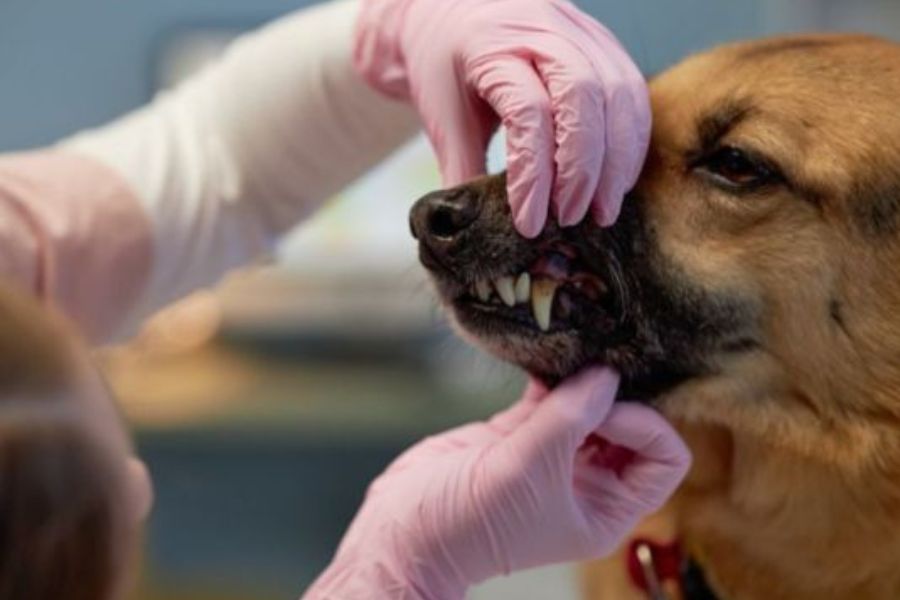
- Yellow or brown tartar: Visible buildup on teeth often indicates plaque that has hardened over time.
- Difficulty eating: Dogs may avoid hard foods if chewing becomes painful.
- Excessive drooling: Increased saliva production can be a response to oral irritation.
- Loose or missing teeth: Advanced dental issues can weaken the teeth and cause them to fall out.
Recognizing these signs early can make treatment easier and less stressful for your dog.
Why Ignoring Bad Breath Can Be Risky
Many pet owners delay action because they assume bad breath is normal. However, leaving the issue untreated can lead to serious health concerns. Bacteria from the mouth can enter the bloodstream and affect other parts of the body, impacting vital organs and reducing your dog’s overall quality of life. What starts as a simple odor may turn into a condition that requires more extensive treatment.
Taking small steps early can help avoid bigger problems later. Regular dental care and routine checkups are key to keeping your dog healthy.
Steps for Eliminating Dog Bad Breath
Improving your dog’s breath does not have to be complicated. Simple daily habits can make a big difference over time. Focusing on eliminating dog bad breath starts with consistent care and attention.
Maintain Regular Dental Cleaning
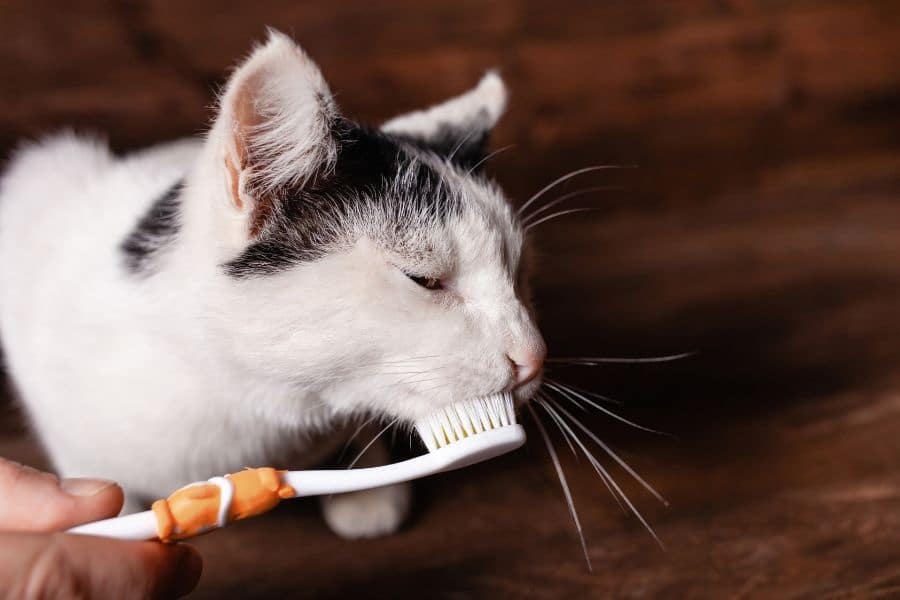
Brushing your dog’s teeth regularly helps remove plaque before it becomes tartar. Using pet-safe toothpaste ensures safety and effectiveness.
Provide Dental Chews
Dental chews can help reduce build-up on teeth while keeping your dog engaged. They are not a replacement for brushing, but can support overall oral health.
Offer Fresh Water Daily
Clean water helps wash away food particles and bacteria. Keeping your dog hydrated also supports digestion and overall health.
Schedule Routine Veterinary Visits
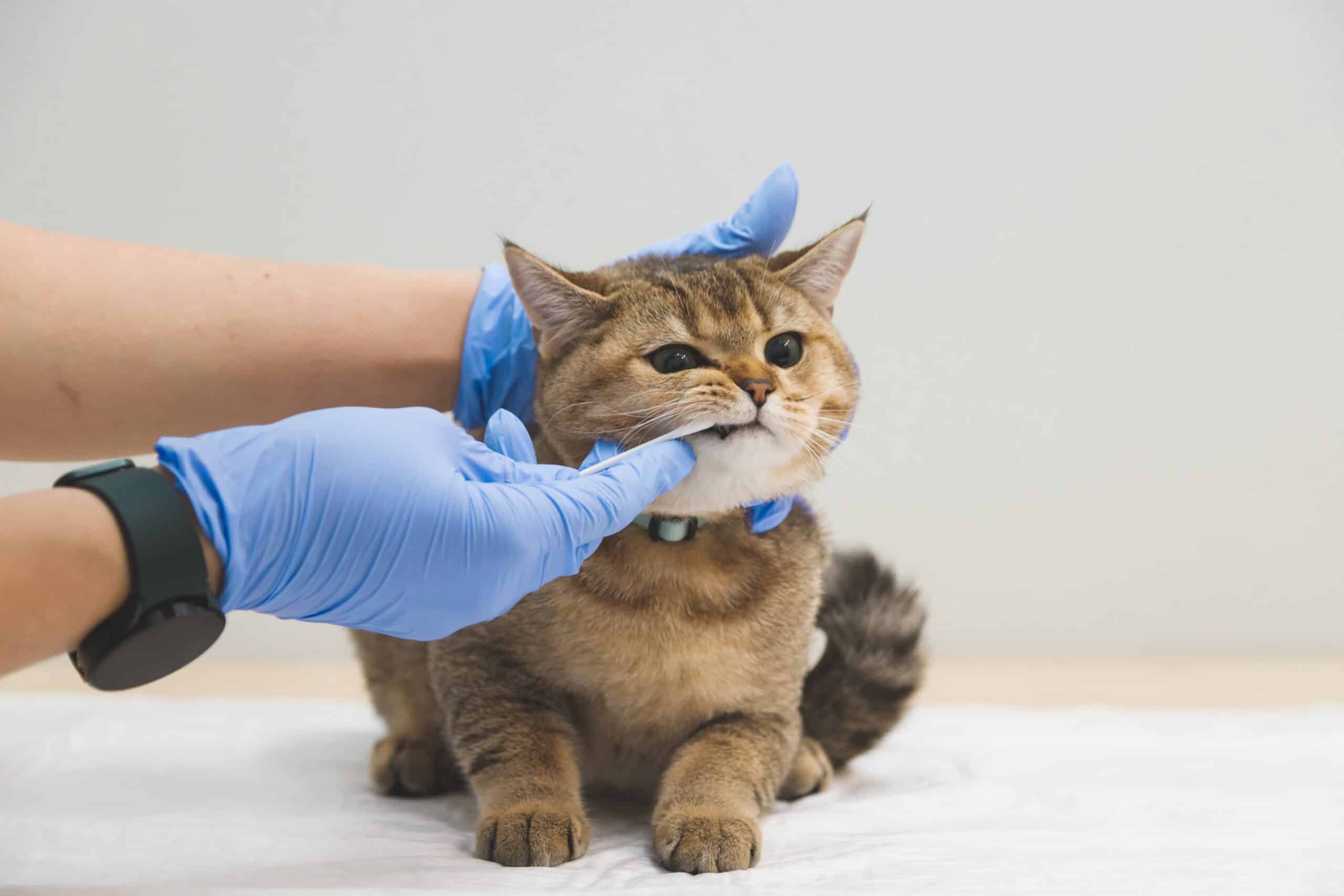
Teeth cleanings and exams at a veterinary clinic can catch problems early. Regular visits ensure that any developing issues are addressed before they worsen.
Monitor Diet Carefully
Feeding a balanced diet supports both oral and digestive health. Avoid giving foods that may contribute to odor or harm your dog’s teeth.
When to Seek Help From the Vet
Not all cases of bad breath can be managed at home. Some situations require specialized evaluation to identify the root cause. Knowing when to act can prevent unnecessary discomfort for your pet.
You should consider seeking help if:
- The odor becomes very strong and persistent.
- Your dog shows signs of pain while eating.
- There is visible swelling or bleeding in the mouth.
- The smell changes suddenly without a clear reason.
- Home care methods do not improve the condition.
Prevention Tips for Long-Term Oral Health
Preventing bad breath is always easier than treating it later. Building a routine that supports oral health can keep your dog comfortable and happy.
- Start dental care early: Introducing brushing at a young age helps dogs accept it more easily.
- Use safe chew toys: Choosing appropriate toys helps prevent injuries and supports cleaning.
- Keep regular feeding schedules: Consistent meals help maintain healthy digestion and reduce odor.
- Watch for behavioral changes: Early signs of discomfort can help you act before problems grow.
- Stay consistent with checkups: Routine visits help catch issues before they become serious.
These small habits can go a long way in maintaining your dog’s overall well-being.
A Fresh Start for Your Dog’s Health
Your dog depends on you to notice the small changes that signal bigger problems. Worsening breath is one of those signs that should never be ignored. Acting early can protect your dog from pain and prevent more serious health issues from developing.
If you are concerned about your dog’s breath or need dog dental care near you, book an appointment at River’s Edge Animal Hospital. We are here to help care for your dog and keep them feeling their best.
Frequently Asked Questions
1. Is bad breath in dogs always a sign of illness?
Not always, but a strong or worsening odor often points to an underlying issue. It is best to monitor the situation and seek advice if it continues.
2. How often should I brush my dog’s teeth?
Brushing a few times a week can help maintain good oral health. Daily brushing is even better if your dog allows it.
3. Can diet alone fix bad breath?
Diet can help improve breath, but it may not solve the problem completely. Dental care and regular checkups are also important.
4. What does a very strong breath smell indicate?
A strong odor may suggest dental disease, infection, or digestive issues. Identifying the cause early can prevent complications.
5. Are dental treats enough to clean my dog’s teeth?
Dental treats can support oral health, but they should not replace brushing. Combining methods gives the best results.