
Good dental care is just as important for your cat as it is for you. Dental health can impact your cat’s overall well-being, and poor dental hygiene can lead to serious health problems. Regular brushing and professional cleanings can help prevent issues like gum disease, tooth decay, and bad breath. In this blog post, we’ll discuss the best practices to keep your cat’s teeth clean and healthy, helping to ensure a long, happy life.
Why Cat Dental Care Is Important
Dental disease is one of the most common health problems in cats. According to the American Veterinary Dental College, by the age of three, nearly 70% of cats will have some form of dental disease. This is why maintaining good oral hygiene from a young age is essential. Dental disease can lead to pain, difficulty eating, and more serious health problems, such as infections that can spread to other organs like the heart or kidneys.
Maintaining your cat’s dental health requires routine care both at home and through regular professional check-ups at the veterinarian. Here are some tips to help you keep your cat’s teeth in top shape.
1. Regular Brushing
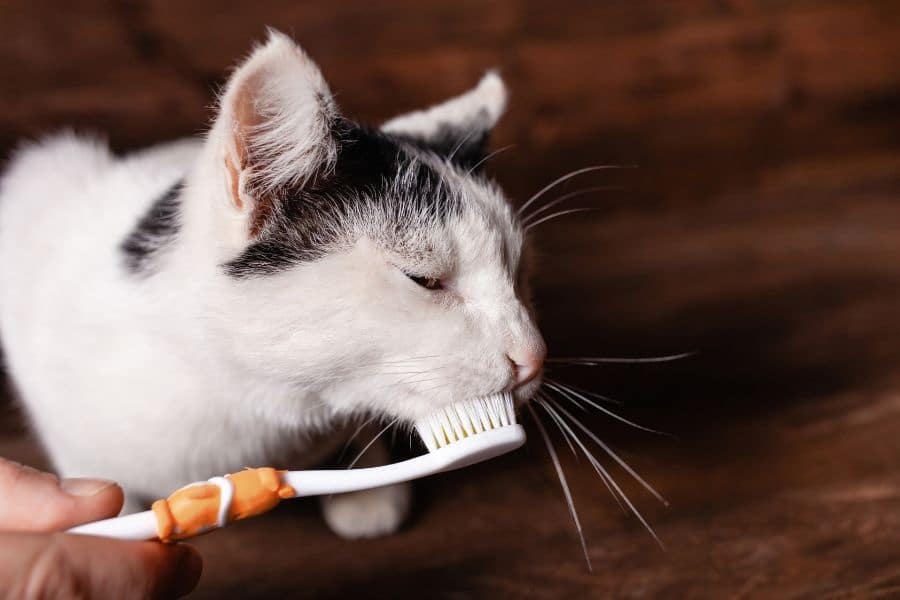
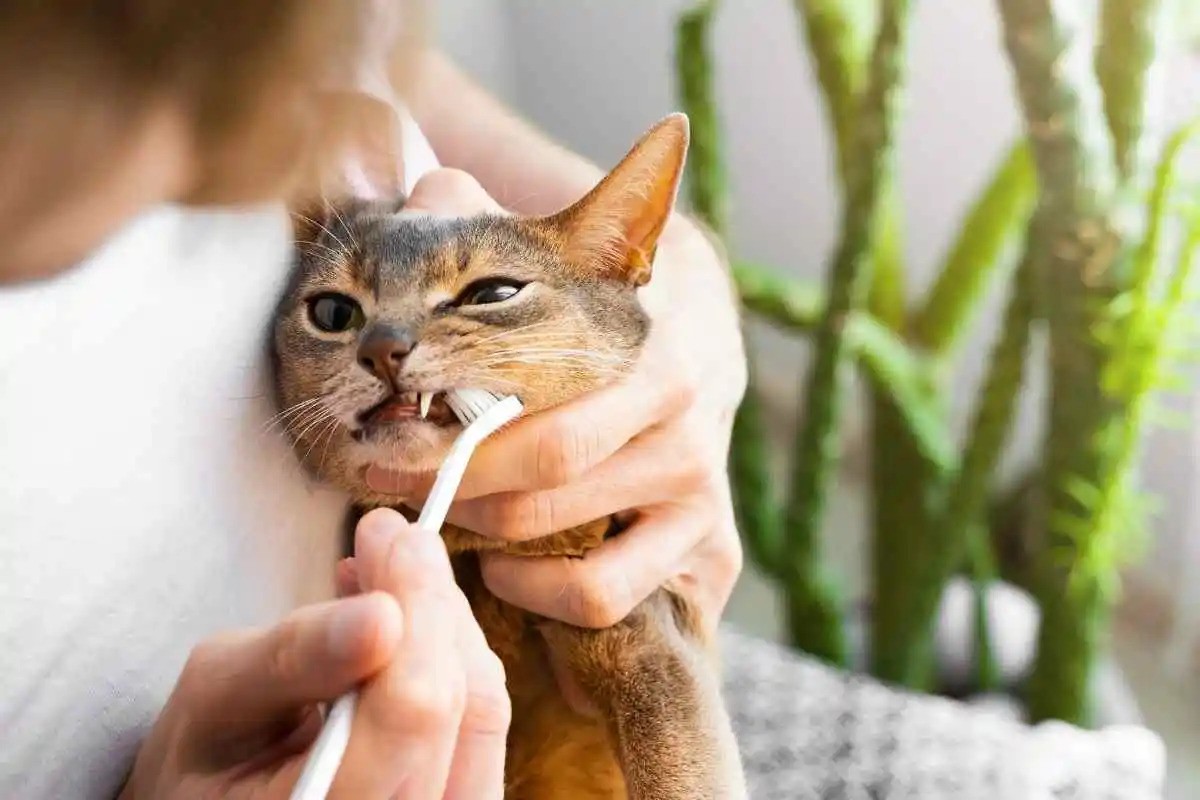
One of the most effective ways to maintain your cat’s dental health is by brushing their teeth regularly. While it may take some time to get your cat accustomed to the idea, brushing their teeth can help prevent plaque buildup, tartar, and gum disease.
How to Brush Your Cat’s Teeth:
- Start Slow: Gradually introduce your cat to the toothbrush and toothpaste. Begin by gently rubbing your cat’s gums with your finger, then introduce a soft toothbrush and a toothpaste made specifically for cats.
- Use the Right Toothpaste: Never use human toothpaste, as it contains ingredients that are harmful to cats if swallowed. Cat-specific toothpaste is available in flavors like poultry or fish, which are more likely to be accepted by your cat.
- Frequency: Aim to brush your cat’s teeth at least two to three times a week. Daily brushing is ideal, but even a few times a week can make a big difference in your cat’s oral health.
2. Provide Dental Treats and Chews
While brushing is the most effective way to keep your cat’s teeth clean, dental treats and chews can also help reduce plaque and tartar buildup. Many cat treats are designed specifically for dental health, helping to clean teeth while your cat enjoys a tasty snack.
Choosing the Right Dental Treats:
- Look for treats that are specifically labeled as dental health products.
- Choose treats that are textured to help scrape off plaque from your cat’s teeth.
- Be mindful of your cat’s calorie intake, as some treats can be high in calories. Use them as part of a balanced diet.
In addition to treats, dental toys that encourage chewing can also help clean your cat’s teeth and massage their gums.
3. Offer a Dental-Friendly Diet
The food your cat eats can also play a role in their dental health. Certain cat food formulas are designed to help reduce plaque and tartar buildup.
Types of Dental Diets:
- Dry Food: Some dry foods are designed with a special texture that helps to scrape plaque off your cat’s teeth as they chew. While dry food can aid in dental health, it should not be relied upon as the sole method of cleaning your cat’s teeth.
- Prescription Dental Diets: If your cat is prone to dental disease, your veterinarian may recommend a prescription diet specifically formulated to promote oral health.
It’s important to note that wet food, although more hydrating, does not have the same teeth-cleaning effects as dry food. However, wet food can still be a healthy part of your cat’s diet when combined with proper dental care.
4. Regular Veterinary Check-ups
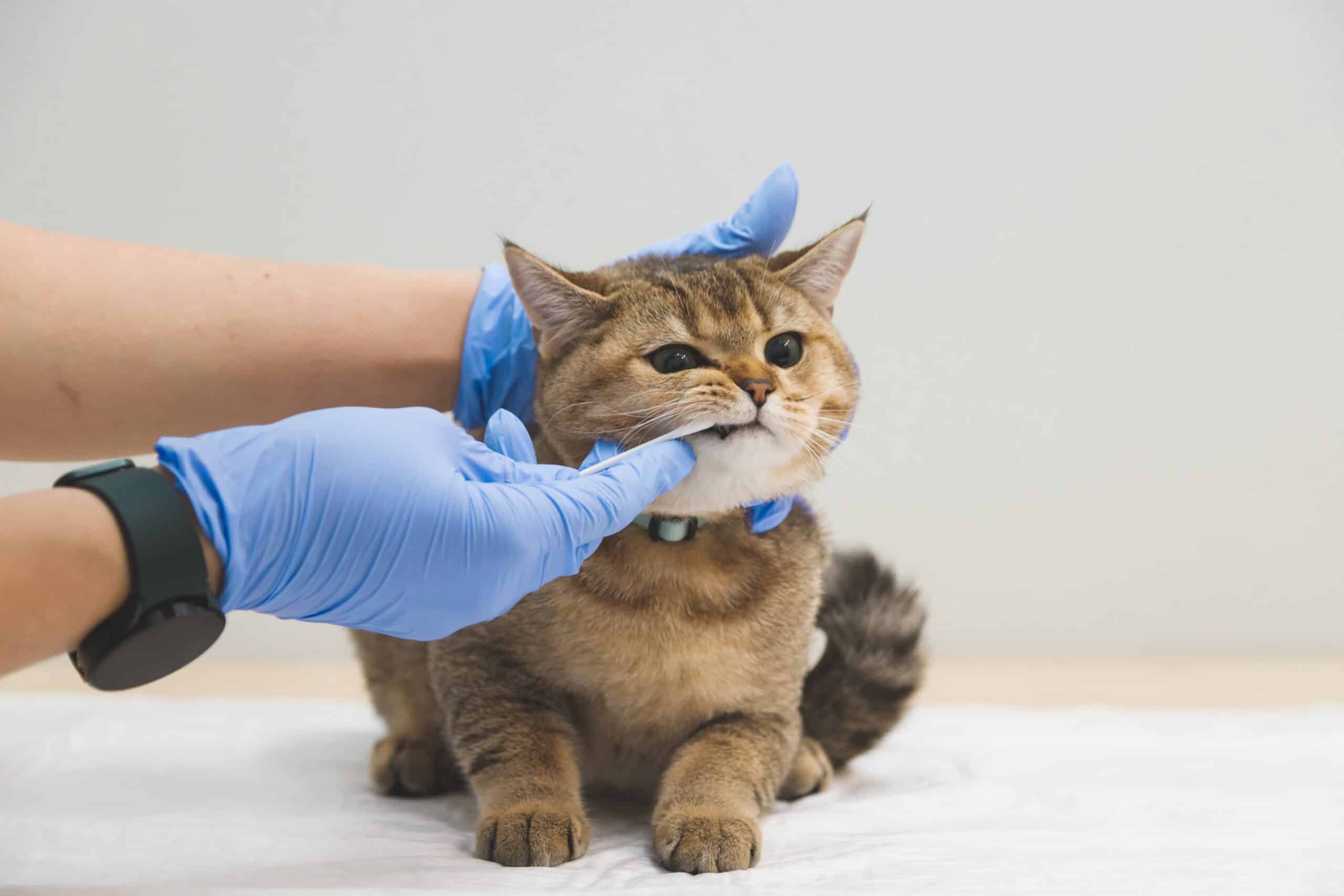
Regular veterinary visits are essential for maintaining your cat’s overall health, including their dental health. Your vet will examine your cat’s teeth and gums during routine check-ups and can spot early signs of dental disease. Professional cleanings performed by a veterinarian can help remove tartar buildup that home brushing might miss.
What to Expect at a Professional Dental Cleaning:
- Examination: The veterinarian will examine your cat’s teeth and gums for signs of plaque, tartar, gingivitis, or infection.
- Anesthesia: Professional cleanings are usually done under anesthesia to allow for a thorough cleaning, as cats are not able to stay still for the procedure.
- Scaling and Polishing: The vet will use specialized instruments to remove tartar and polish the teeth.
- X-rays: In some cases, your veterinarian may take dental x-rays to check for hidden dental issues like tooth root abscesses or bone loss.
Your veterinarian can help guide you on how often your cat should have a professional cleaning, depending on their age and the state of their teeth.
5. Monitor Your Cat’s Oral Health
Regularly checking your cat’s teeth and gums can help you catch any potential issues early. Look for signs of dental disease, such as:
- Bad Breath: While some cat breath is normal, a strong, foul odor could indicate a dental problem.
- Red or Swollen Gums: Gingivitis, or inflammation of the gums, is one of the first signs of dental disease.
- Difficulty Eating: If your cat is having trouble eating, it could be due to tooth pain or gum disease.
- Excessive Drooling: Drooling can be a sign of a dental issue, especially if it’s accompanied by difficulty eating.
If you notice any of these symptoms, schedule an appointment with your veterinarian to address the issue promptly.
6. Use Water Additives or Oral Sprays
If brushing your cat’s teeth proves challenging, consider using water additives or oral sprays. These products are designed to help reduce plaque and tartar buildup and can be added to your cat’s water or applied directly to their teeth.
Choosing the Right Product:
- Look for veterinary-approved water additives or oral sprays that are safe for cats.
- Be consistent with use, and follow the instructions carefully to ensure the best results.
Maintaining your cat’s dental health is essential for their overall well-being. Regular brushing, providing dental treats, and offering a dental-friendly diet can go a long way in keeping your cat’s teeth clean and healthy. Don’t forget to schedule regular veterinary check-ups and professional cleanings to catch any dental issues early. If you notice any signs of dental problems, such as bad breath or difficulty eating, contact your veterinarian right away.
At River’s Edge Animal Hospital, we are dedicated to providing comprehensive cat dental care, ensuring your cat’s teeth stay clean, healthy, and free from disease. Contact us today to schedule a dental check-up for your feline friend!
FAQs
Q1. How often should I brush my cat’s teeth?
Ans. Ideally, you should brush your cat’s teeth at least two to three times a week. Daily brushing is best, but even a few times a week can make a significant difference.
Q2. Can dental treats replace brushing?
Ans. While dental treats can help reduce plaque and tartar, they should not replace regular brushing. Brushing your cat’s teeth is the most effective way to maintain their dental health.
Q3. Are wet foods bad for my cat’s teeth?
Ans. Wet foods don’t have the same teeth-cleaning benefits as dry food, but they can still be part of a balanced diet. Regular brushing and dental check-ups are key.
Q4. What are the signs of dental disease in cats?
Ans. Signs of dental disease include bad breath, red or swollen gums, difficulty eating, excessive drooling, and pawing at the mouth.
Q5. Do senior cats need special dental care?
Ans. Yes, senior cats are more prone to dental disease, so it’s important to monitor their oral health closely and schedule regular dental check-ups.
Q6. How can I make brushing my cat’s teeth easier?
Ans. Start slowly and be patient. Use cat-specific toothpaste and a soft toothbrush. Gradually get your cat accustomed to the process, and make it a positive experience.