
A cat can finish a full meal, act normal, and still have a painful dental problem hiding beneath the surface. This is one reason feline oral health can be difficult for pet owners to judge at home. Cats often hide discomfort, and tooth resorption is a condition that can progress without obvious signs.
Feline resorptive lesions occur when the structure of a tooth gradually breaks down. The process can expose sensitive areas and cause significant discomfort. Yet many cats continue eating, grooming, and interacting with their families.
For cat owners in Rock Hill, understanding this condition can make it easier to recognize subtle changes and seek appropriate dental care before discomfort becomes more advanced.
What Are Feline Resorptive Lesions?
Tooth resorption is a destructive process in which a cat’s own body begins breaking down parts of a tooth. Unlike a simple surface stain or ordinary plaque buildup, resorption can affect the tooth below the visible gumline.
The condition may involve the crown of the tooth, the root, or both. In some cases, the visible portion of the tooth appears relatively normal even though significant structural changes are occurring underneath the gum tissue.
This makes feline resorptive lesions particularly challenging to identify during routine observation at home.
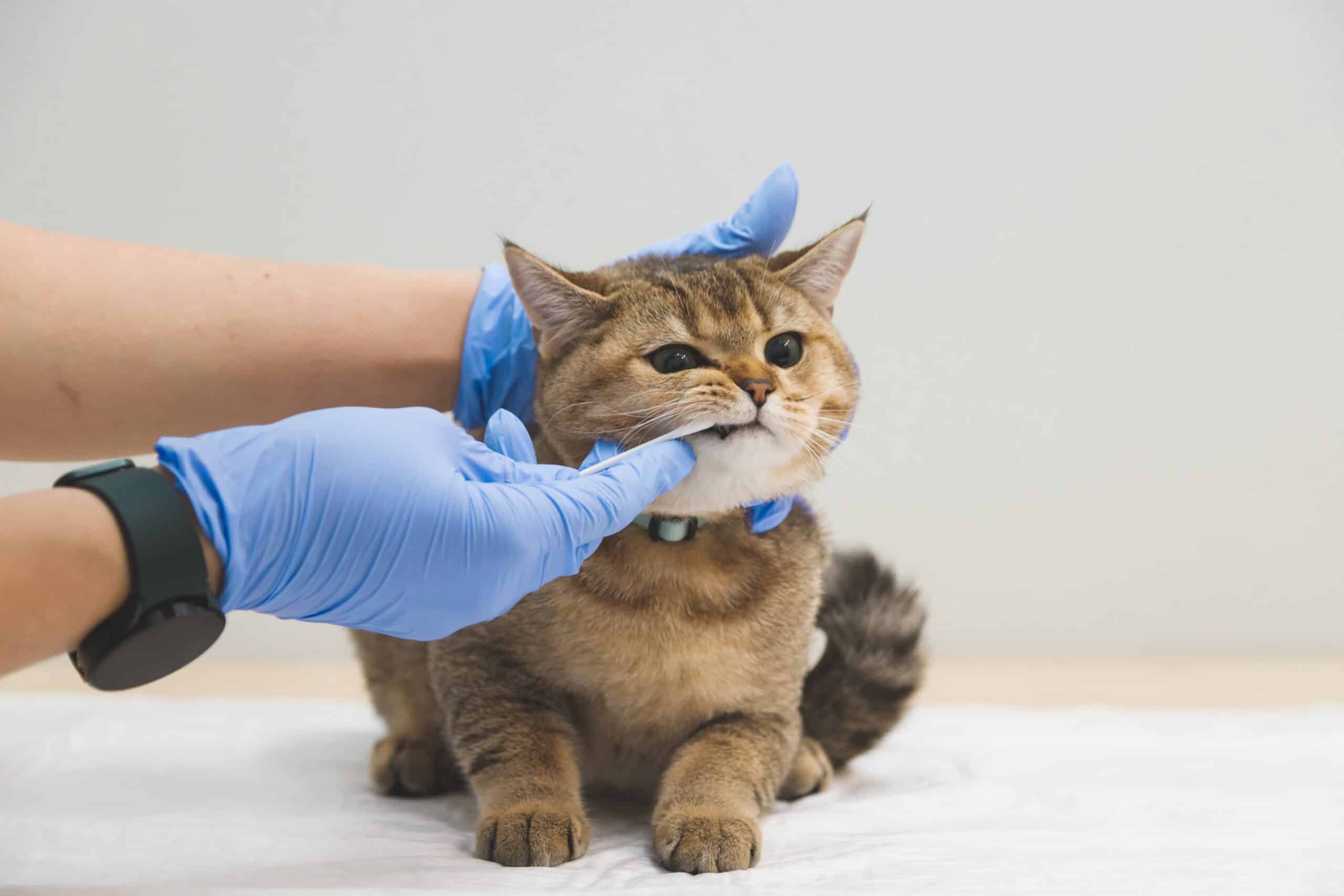
A veterinary dental examination is often needed to determine whether a suspicious tooth is affected.
Why Can Tooth Resorption Be So Painful?
Teeth contain sensitive structures that can respond strongly when exposed or damaged. As resorption progresses, areas that were previously protected may become vulnerable.
Your cat may experience discomfort while chewing or when the affected tooth comes into contact with food, water, or pressure.
Some cats may react when the face or mouth is touched. Others show almost nothing.
That difference matters.
Cats have evolved to avoid displaying weakness, so visible signs of pain may not appear until a dental condition has progressed significantly.
Why Cats May Keep Eating Despite Dental Pain
One of the most confusing things for owners is seeing a cat continue to eat while having a painful mouth.
Eating does not necessarily mean that the mouth is comfortable.
Cats may adapt their eating behavior in subtle ways. A cat with dental discomfort might chew differently, swallow food without chewing much, prefer softer food, or take longer to finish a meal.
Some cats may also drop pieces of food from their mouth or suddenly favor one side while chewing.
Because appetite can remain relatively normal, owners may overlook the problem.
This is why changes in eating style can be just as meaningful as a complete loss of appetite.
Cat Tooth Resorption Symptoms and Pain Can Be Easy to Miss
The signs of tooth resorption vary from cat to cat. Some are obvious, while others are extremely subtle.
Watch for changes such as:
- Dropping food while eating
- Chewing on one side of the mouth
- Preferring softer food
- Increased drooling
- Pawing at the mouth
- Head turning while chewing
- Sudden sensitivity around the face
- Bad breath
- Reduced interest in crunchy food
- Irritability during eating
- Difficulty grooming
- Increased swallowing
- Changes in normal eating speed
A cat may show only one of these behaviors.
A sudden change from your cat’s normal routine deserves attention, especially when it involves eating, grooming, or facial behavior.
What Do Veterinary Dental Examinations Look For?
A visual examination can provide useful information, but it may not tell the entire story.
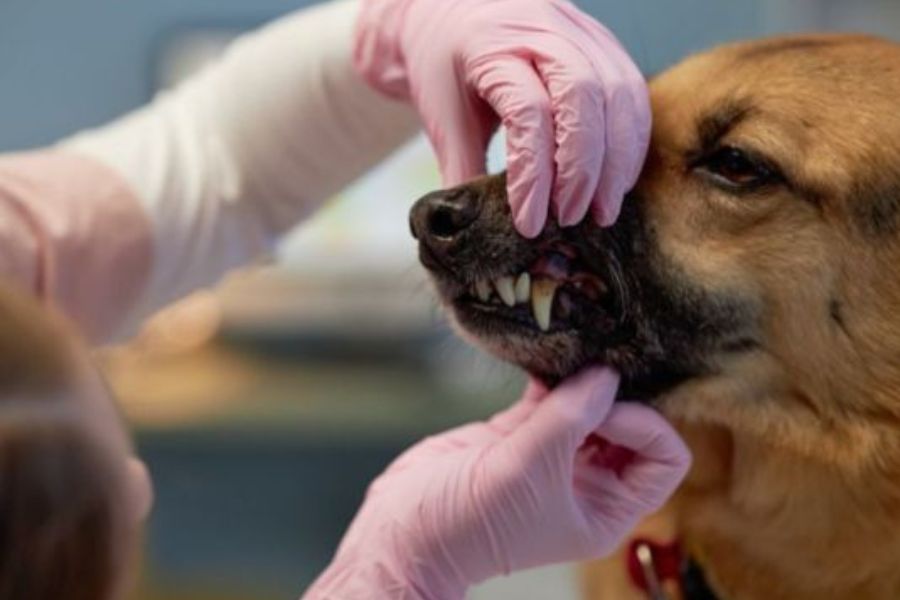
The veterinarian will examine the teeth, gums, tongue, and surrounding tissues. They may look for areas of gum inflammation, damaged tooth surfaces, abnormal tissue, or sensitivity.
However, tooth resorption can occur below the gumline.
That is where veterinary dental X rays become especially useful.
Dental X rays allow the veterinary team to examine tooth roots and structures that cannot be evaluated properly just by looking inside the mouth. These images can help determine the extent of resorption and whether affected teeth require treatment.
This diagnostic step is important because the treatment decision depends on what is happening inside and around the tooth.
How Feline Resorptive Lesions Treatment Is Determined
Treatment depends on the location and severity of the lesion, along with the condition of the affected tooth and surrounding structures.
In many cases, the affected tooth requires removal because resorptive damage can cause ongoing discomfort.
A veterinarian may recommend extraction when the tooth cannot remain comfortably functional. The goal is to address the source of pain and protect the surrounding oral tissues.
Treatment planning should always be based on a complete dental examination and appropriate imaging.
There is no single approach that works for every cat.
Where Veterinary Dental Surgery May Fit
When affected teeth need to be removed, veterinary dental surgery may become part of the treatment plan.
Cat teeth have different shapes and root structures, so extraction is not always as simple as removing a loose tooth. Depending on the tooth and the extent of the disease, specialized techniques may be necessary.
Dental X rays help the veterinary team understand the tooth structure before treatment and confirm what is happening below the gumline.
After treatment, your veterinarian can provide instructions for feeding, medication, activity, and monitoring during recovery.
Why Home Observation Still Matters
Owners play an important role in protecting cat oral health.
You do not need to diagnose tooth resorption at home. Instead, learn what is normal for your cat and watch for changes.
Pay attention to:
- Eating habits
- Chewing behavior
- Grooming patterns
- Drooling
- Breath odor
- Facial sensitivity
- Interaction with food
- Changes in temperament
A cat that suddenly stops grooming may have discomfort. A cat that becomes less tolerant of face touching may also be communicating that something has changed.
These observations can give your veterinarian valuable information during an examination.
Dental Care Can Help Catch Problems Earlier
Routine dental care is about more than keeping teeth looking clean. Regular examinations give the veterinary team opportunities to assess the gums, teeth, and overall condition of the mouth.
Some cats may need more frequent dental evaluations based on their age, previous dental history, oral findings, or individual risk factors.
Professional examinations can also help identify problems that are difficult for owners to see.
For cats living in Rock Hill, maintaining regular veterinary visits and paying attention to subtle behavioral changes can support better long term cat oral health.
What Cat Owners Should Remember
Feline resorptive lesions can be painful, but cats may continue eating and behaving normally enough to hide the problem.
The most important points to remember are:
- Tooth resorption involves destruction of tooth structure.
- Cats may hide obvious signs of oral pain.
- Changes in eating behavior can be an important clue.
- A visual mouth examination may not reveal the full extent of disease.
- Dental X rays can identify changes below the gumline.
- Treatment may involve removal of affected teeth.
- Regular dental care can help identify oral problems earlier.
Do not wait for a cat to stop eating before taking changes seriously. A small shift in behavior can sometimes be the first indication that something is wrong.
Schedule a Cat Dental Examination
If you have noticed changes in your cat’s eating habits, grooming, breath, or behavior, consider scheduling an online appointment with River’s Edge Animal Hospital. A veterinary team can evaluate your cat’s mouth and determine whether further dental testing is appropriate.
For cat owners in Rock Hill, professional dental evaluation can provide a clearer picture of what is happening beneath the gumline and help guide appropriate treatment when oral disease is suspected.
Frequently Asked Questions
Q1. Can feline tooth resorption heal on its own?
Ans: Tooth resorption is a progressive destructive process and should not be assumed to resolve without veterinary attention. Once a tooth has significant resorptive damage, your veterinarian may recommend treatment based on examination and dental X ray findings. Monitoring alone may not address discomfort or ongoing damage.
Q2. Can cats with tooth resorption still eat normally?
Ans: Yes. Some cats continue eating even when they have significant dental discomfort. They may compensate by chewing differently, choosing softer foods, swallowing food quickly, or favoring one side of the mouth. A normal appetite does not always mean that a cat’s mouth is pain free.
Q3. Why are dental X rays important for cats with suspected resorption?
Ans: Dental X rays allow veterinarians to evaluate tooth roots and structures beneath the gumline. Resorptive changes may not be fully visible during a basic visual examination. Imaging helps determine the extent of the condition and provides information needed to develop an appropriate treatment plan.
Q4. What behavior might indicate that my cat has oral pain?
Ans: Possible clues include dropping food, chewing differently, increased drooling, pawing at the mouth, avoiding certain foods, becoming sensitive when the face is touched, or changing grooming habits. Cats may show only subtle changes, so knowing your pet’s normal behavior is especially helpful.
Q5. How can I support my cat’s oral health at home?
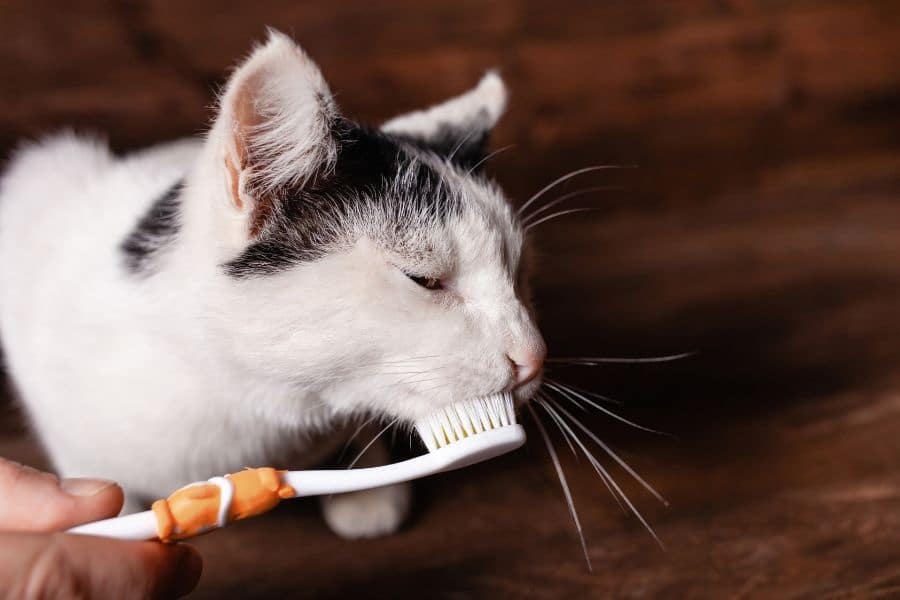
Ans: Regular veterinary dental examinations are an important foundation. At home, monitor eating habits, grooming, breath odor, drooling, and changes around the mouth. If your cat tolerates dental care, your veterinary team can also recommend appropriate home care methods based on your cat’s individual needs.