
When you cuddle up close with your feline companion for a sweet moment of affection, getting greeted by a wave of foul breath can be an unpleasant surprise. Many pet owners simply write off stinky breath as standard kitty funk, assuming that bad odors are just part of living with a cat. However, persistent bad breath is rarely normal. While dog owners frequently talk about canine dental hygiene, feline oral health is just as critical, yet it is often overlooked until an issue becomes advanced.
Cats are uniquely vulnerable to hidden oral problems, including severe periodontal disease, painful tooth resorption, and debilitating inflammation. Because felines are masters at masking discomfort, they rarely show obvious signs of oral pain until a condition has progressed significantly. Here at River’s Edge Animal Hospital in Rock Hill, our veterinary team frequently guides local pet owners through the nuances of cat dental care and advanced cat dentistry. Understanding why your cat’s breath smells foul and learning to recognize the hidden signs of dental distress can protect your companion from chronic pain and safeguard their overall health.
Why Cats Hide Dental Pain So Effectively
In the wild, showing vulnerability or weakness makes an animal an immediate target for predators. Our domesticated cats retain this deeply ingrained survival instinct. Even when a cat is experiencing severe oral agony from a fractured tooth or infected gums, they will often continue to eat, groom themselves, and interact with family members as though nothing is wrong.
Because cats rarely cry out or stop eating entirely due to dental pain, pet owners must learn to spot the subtle behavioral and physical clues. Persistent bad breath is often the very first indicator that harmful bacteria and plaque are building up beneath the gumline. Other subtle signs include drooling more than usual, dropping food out of the mouth while eating, chewing on only one side of the mouth, or intermittently pawing nervously at the facial area. If you notice any of these warning signs, a closer look at your cat’s oral health is overdue.
Understanding Tooth Resorption and Feline-Specific Dental Issues
While humans frequently deal with standard cavities caused by sugar and tooth decay, cats face a different set of primary oral challenges. Periodontal disease, the buildup of plaque and tartar that leads to gum inflammation and bone loss, is extremely common. However, cats are also exceptionally prone to a painful condition known as tooth resorption.
Tooth resorption occurs when the body begins to break down and absorb the hard structures of the tooth from the inside out. This mysterious process typically starts at the root or the neck of the tooth beneath the gumline, eventually resulting in structural collapse, severe pain, and exposed nerve endings. It is distinct from a typical cavity because it is a progressive, destructive process driven by the cat’s own internal cellular activity rather than external bacterial decay. Managing these complex conditions requires specialized veterinary expertise and diagnostic imaging.
The Ripple Effect: How Dental Disease Threatens Overall Health
Ignoring your cat’s oral hygiene does more than just create unpleasant breath; it poses a direct threat to their systemic well-being. The human and feline mouth is heavily vascularized, meaning that millions of harmful bacteria residing in infected dental plaque do not stay confined to the gums.
Every time your cat chews, bacteria can enter the bloodstream through inflamed gum tissue and travel throughout the body. Over time, this constant bacterial load places unnecessary strain on vital internal organs. Chronic dental infections are heavily linked to secondary complications involving the kidneys, liver, and heart valves. Investing in proper cat dental care is not just about keeping teeth clean; it is a vital pillar of protecting your pet’s long-term internal health and vitality.
Realistic At-Home Care vs. Professional Veterinary Treatment
Maintaining your cat’s oral health requires a balanced approach combining daily home strategies with professional veterinary oversight. When it comes to at-home care, setting realistic expectations is essential.
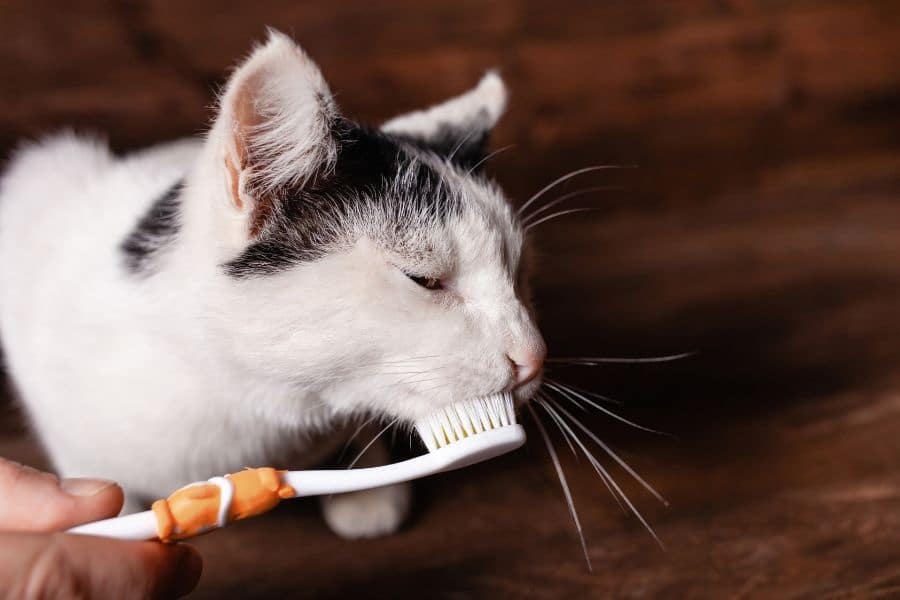
- Daily Toothbrushing: Using a feline-formulated toothpaste and a soft-bristled brush is the gold standard for removing plaque before it hardens into tartar. However, many adult cats resist having their mouths handled, so patience and gradual desensitization are required.
- Dental Diets and Treats: Specially textured kibbles or Veterinary Oral Health Council (VOHC) approved treats can help mechanically scrub plaque from the tooth surface during chewing.
- Water Additives: Safe water additives can help reduce oral bacteria, though they should be viewed as a supplemental tool rather than a replacement for physical cleaning.
It is equally important to understand what does not work. Many commercial products make bold marketing claims about curing dental disease overnight, but nothing can reverse established periodontal disease or treat subgingival tooth resorption except professional veterinary intervention.
Why Anesthesia Is Essential for Feline Dentistry
When pet owners hear that a professional dental cleaning requires general anesthesia, it is completely natural to feel a wave of apprehension. However, safe modern anesthesia is an absolute necessity for proper cat dentistry.
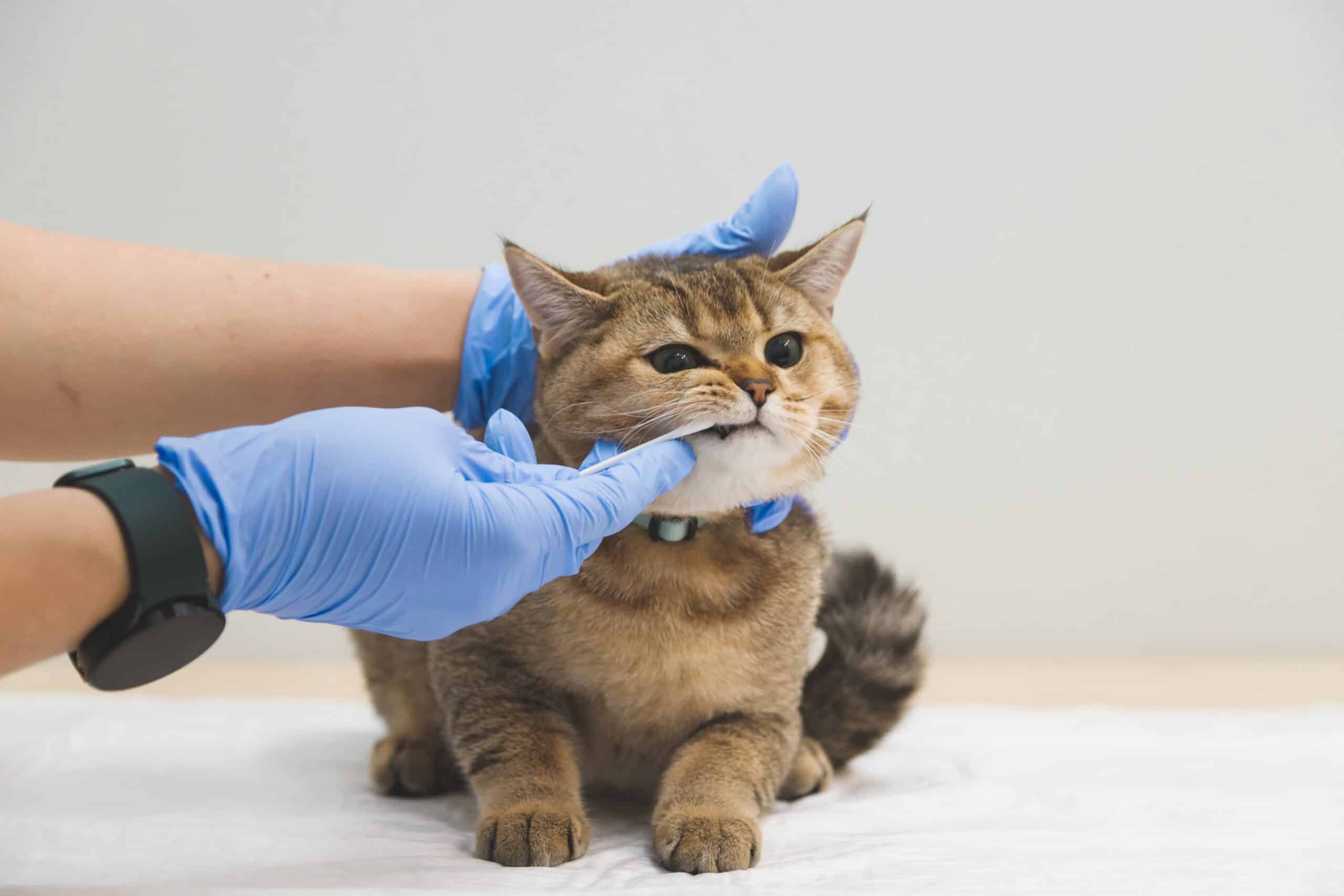
Unlike human patients who can sit calmly in a dental chair, open wide, and say “ah,” a cat cannot understand instructions to stay still during a scaling or extraction. Attempting to clean a cat’s teeth while they are awake is not only stressful and frightening for the animal, but it is also medically impossible. A proper dental evaluation requires examining beneath the gumline and taking dental radiographs to check tooth roots, which can only be safely achieved when the patient is completely relaxed and still. Modern anesthetic protocols, comprehensive monitoring equipment, and pre-anesthetic blood testing make dental procedures remarkably safe, even for older feline patients.
Partnering with Your Local Rock Hill Animal Care Team
Navigating the complexities of feline oral health is much easier when you have an experienced and compassionate veterinary team by your side. Every cat has a unique biological makeup and temperament, meaning their dental care plan should be tailored specifically to their individual needs.
Our team at River’s Edge Animal Hospital is proud to serve pet families throughout the Rock Hill community. Whether you want to establish a proactive home dental routine, schedule a comprehensive oral evaluation, or discuss specialized cat dental care options, we are here to support you every step of the way. Reach out to our Rock Hill clinic today to schedule a consultation and give your feline companion the healthy, comfortable smile they deserve.
FAQ
Q1. Why does my cat have such foul-smelling breath even though they eat every day?
Ans: Persistent bad breath is typically caused by a buildup of plaque, tartar, and harmful bacteria below the gumline, indicating underlying periodontal disease or tooth resorption even if your cat continues to eat normally.
Q2. What is tooth resorption and why is it so common in adult cats?
Ans: Tooth resorption is a painful condition where the cat’s body breaks down and absorbs the internal structure of the tooth, though the exact biological trigger remains largely unknown in veterinary medicine.
Q3. Can I use human toothpaste to brush my cat’s teeth at home?
Ans: No, human toothpaste contains ingredients like fluoride and artificial sweeteners such as xylitol that are toxic to cats and should never be swallowed by pets.
Q4. Why is general anesthesia required to perform a proper dental cleaning on a cat?
Ans: Anesthesia ensures the cat remains completely still and pain-free while the veterinarian cleans beneath the gumline, polishes the enamel, and takes vital dental X-rays of the tooth roots.
Q5. How often should a cat undergo a professional dental examination at a veterinary clinic?
Ans: Most cats benefit from a comprehensive oral evaluation during their annual wellness exam, allowing the veterinary team to recommend professional cleanings before minor issues escalate.