
Just like humans, dogs need proper dental care to stay healthy. Unfortunately, many pet parents overlook this essential aspect of pet hygiene. Neglecting your dog’s dental health can lead to bad breath, gum disease, tooth loss, and even serious infections that affect the heart, liver, and kidneys.
The good news? You can clean your dog’s teeth at home—no vet visit required! With the right tools and techniques, at-home dog tooth brushing can be quick, stress-free, and effective.
In this guide, we’ll walk you through exactly how to clean your dog’s teeth at home, step by step. Let’s get started.
Why Is Dog Dental Care Important?
Before diving into the how-to, it’s crucial to understand why you should brush your dog’s teeth.
Dogs use their mouths for almost everything—from eating to playing. Plaque and tartar can quickly build up if you don’t regularly clean your teeth. Over time, this can lead to periodontal disease, pain, and costly vet bills.
In fact, according to the American Veterinary Medical Association, by age three, most dogs show signs of dental disease. That’s why routine brushing at home is key to prevention.
What You’ll Need Before You Start
Before you begin, gather the following supplies:
- ✅ Dog toothbrush (or a soft-bristled child’s toothbrush)
- ✅ Dog-safe toothpaste (never use human toothpaste!)
- ✅ Dental treats or toys (optional, for follow-up rewards)
- ✅ Towel or blanket (for comfort and control)
Tip: Choose a toothpaste flavor your dog enjoys, like chicken or peanut butter. It makes the experience more pleasant for both of you.
Step-by-Step: How to Clean Your Dog’s Teeth at Home
Step 1: Get Your Dog Comfortable
First, make your dog feel relaxed. Choose a quiet space, and gently pet your dog to help them calm down. If your dog has never had their teeth brushed before, spend a few days simply touching their mouth and gums to get them used to it.
Pro tip: Use praise and treats to create a positive association.
Step 2: Apply Dog Toothpaste
Squeeze a small amount of dog toothpaste onto the toothbrush. Let your dog lick it off first so they can get used to the flavor.
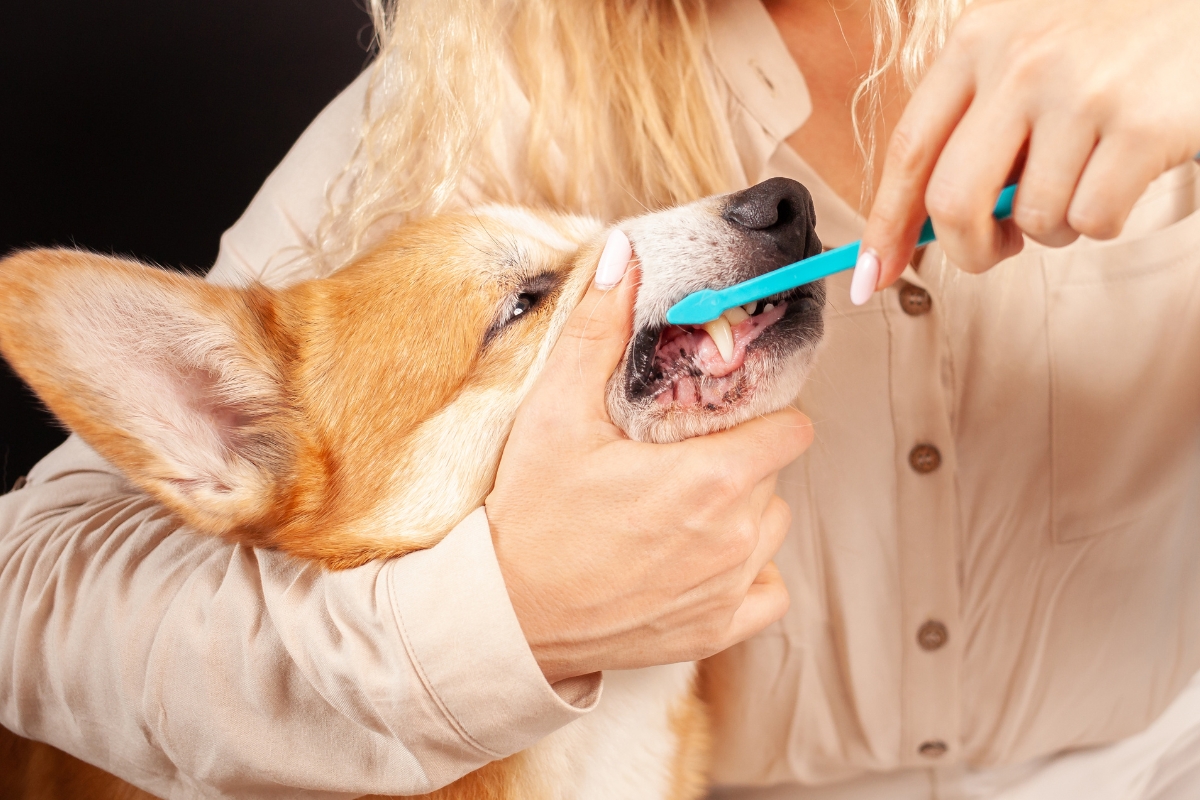
Once they seem comfortable, gently lift their upper lip to expose the teeth and gums.
Step 3: Brush Gently in Circular Motions
Start brushing the front teeth using small, circular motions. Gradually move toward the back molars. Focus especially on the gum line, where bacteria tend to accumulate.
Important: Aim for 30–60 seconds on each side of the mouth. You don’t have to brush the inside of the teeth—your dog’s tongue helps keep those cleaner.
Step 4: Keep Sessions Short (and Sweet)
If your dog becomes restless, stop and try again later. It’s better to keep sessions short and successful rather than force them. Over time, your dog will become more tolerant.
Reward them after each session with praise, a toy, or a dental treat.
Step 5: Make It a Routine
For best results, brush your dog’s teeth at least 3–4 times per week, though daily brushing is ideal.
Consistency matters more than perfection. The more often you brush, the easier it becomes for both of you.
Additional Dog Dental Health Tips
Cleaning your dog’s teeth isn’t the only way to support their oral health. Here are a few extra tips to keep your dog’s mouth clean and healthy:
- 🐾 Offer dental chews that help remove plaque
- 🐾 Use oral rinses or water additives designed for dogs
- 🐾 Provide rubber dental toys that promote gum health
- 🐾 Schedule regular vet dental check-ups
These small steps, combined with brushing, can significantly reduce the risk of dental issues.
Taking care of your dog’s teeth at home doesn’t have to be a chore. With the right approach and a bit of patience, you can protect your dog’s health, prevent costly dental problems, and enjoy those slobbery kisses without the bad breath.
If you ever feel unsure or your dog is resistant to brushing, professional help is always an option. For more personalized advice and expert pet dental care in Rock Hill, SC, consult a trusted local veterinarian who specializes in canine oral health.
FAQs
Q1. How often should I brush my dog’s teeth?
Ans. Ideally, every day. However, brushing at least 3–4 times per week can still significantly improve your dog’s dental health.
Q2. Can I use human toothpaste for my dog?
Ans. No. Human toothpaste contains xylitol and fluoride, which are toxic to dogs. Always use toothpaste specifically made for dogs.
Q3. What if my dog won’t let me brush their teeth?
Ans. Start slow. Get your dog comfortable with having their mouth touched, and use treats and positive reinforcement. If brushing isn’t possible, try dental chews or rinses.
Q4. Are dental treats enough to keep my dog’s teeth clean?
Ans. Dental treats help, but aren’t a substitute for brushing. Use them as a supplement to regular tooth brushing.
Q5. What are the signs of dental problems in dogs?
Ans. Watch for bad breath, red or bleeding gums, excessive drooling, difficulty eating, or loose teeth. These could indicate dental disease.
Q6. At what age should I start brushing my dog’s teeth?
Ans. You can start brushing as early as possible, ideally when your dog is a puppy. It’s never too late, but earlier is better for prevention.