
As a caring cat owner, you cherish your feline friend’s purrs, playful jumps, and cozy cuddles. However, one vital area sometimes slips under the radar—dental health. In reality, many cats develop oral issues by age three. Fortunately, spotting signs early lets you take action before serious problems occur. Below are the most important signals your cat may need dental attention.
1. Persistent Bad Breath
Certainly, cats don’t smell like mint, yet consistent bad breath often signals trouble. When foul odor lingers despite brushing or treats, your cat’s mouth may harbor plaque, gingivitis, or infection. In fact, chronic halitosis tends to accompany bacterial buildup. Consequently, if the scent lingers every time your cat meows or yawns, take it as a warning sign.
2. Eating Hesitation or Dropping Food
Moreover, cats in oral discomfort often eat differently. If your kitty drops food from its mouth, chews only on one side, or refuses dry kibble altogether, pain could be the cause. Altered chewing patterns frequently indicate sore teeth or gums. Thus, keep an eye on mealtimes. Even subtle changes in appetite or behavior during feeding matter.
3. Excessive Drooling or Pawing at Mouth
Surprisingly, cats don’t typically drool. When drooling becomes excessive or your cat paws at its mouth repeatedly, something may be wrong. Perhaps a piece of food is stuck, or inflammation irritates the gums. Either way, these unusual gestures merit veterinary attention sooner rather than later.
4. Inflamed or Bleeding Gums
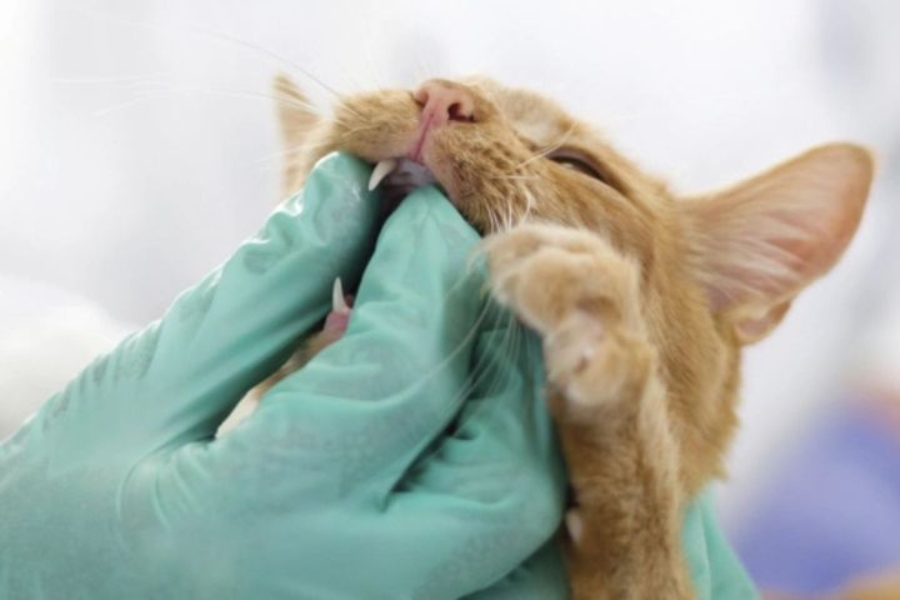
Healthy cat gums appear pink and firm. Conversely, red, swollen, or bleeding gums—especially during brushing or play—suggest gingivitis or early periodontal disease. In addition, gum inflammation often progresses quickly without intervention. Accordingly, when you spot gum changes, schedule an oral exam promptly.
5. Tartar Buildup and Discolored Teeth
Furthermore, visible tartar and yellow or brown teeth discoloration indicate long‑term plaque accumulation. That buildup traps bacteria close to the gum line, causing irritation or decay. Left unchecked, infections may even spread to vital organs. Consequently, dentists often emphasize early cleaning to prevent systemic risks.
6. Behavior or Mood Changes
Additionally, dental pain affects personality. Your usually affectionate cat may become withdrawn or irritable. Since cats instinctively hide pain, you might only notice small shifts—less purring, less grooming, or less affection. If those coincide with oral symptoms, don’t ignore them. Pain changes behavior, and behavior can hint at dental issues.
7. Loose or Missing Teeth
By nature, adult cats shouldn’t lose teeth. Spotting a loose tooth or a suddenly missing one strongly suggests advanced periodontal disease. Dogs may lose teeth slowly, but in cats, it often happens quickly once infection deepens. Recognizing this sign early helps prevent further deterioration and pain.
8. Facial Swelling or Nasal Discharge
Finally, dental infections may extend beyond the mouth. Some cats develop facial swelling under the eye or along the jaw. In severe cases, infection reachesthe nasal passages, causing discharge or sneezing. Because these symptoms indicate deeper abscesses or bone involvement, they require urgent veterinary care.
Why Early Detection Matters
Undoubtedly, early detection and treatment preserve your cat’s quality of life. If left untreated, dental issues can lead to tooth loss, chronic pain, and systemic illness. Fortunately, many concerns remain manageable when caught early.
First, regular veterinary check‑ups let professionals catch early signs you might miss.
Second, preventive care—such as tooth brushing, dental treats, and specialized toys—helps slow tartar buildup.
Third, watching your cat at mealtimes or during grooming reveals subtle changes before serious issues arise.
How to Support Your Cat’s Dental Health
To proactively protect your cat’s mouth, take the following steps:
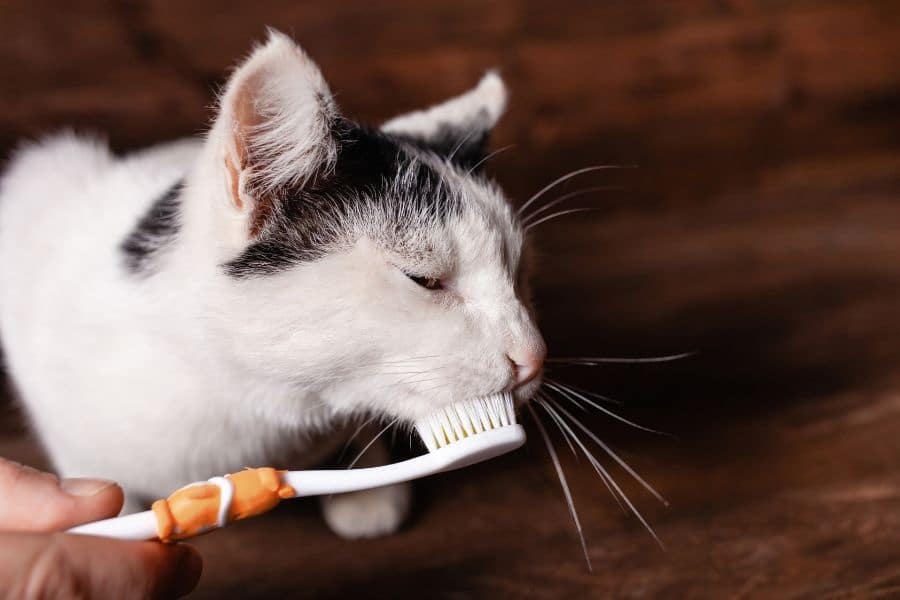
- Brush gently with a cat‑safe toothbrush and toothpaste at least every few days.
- Offer dental treats or toys that reduce plaque through the chewing action.
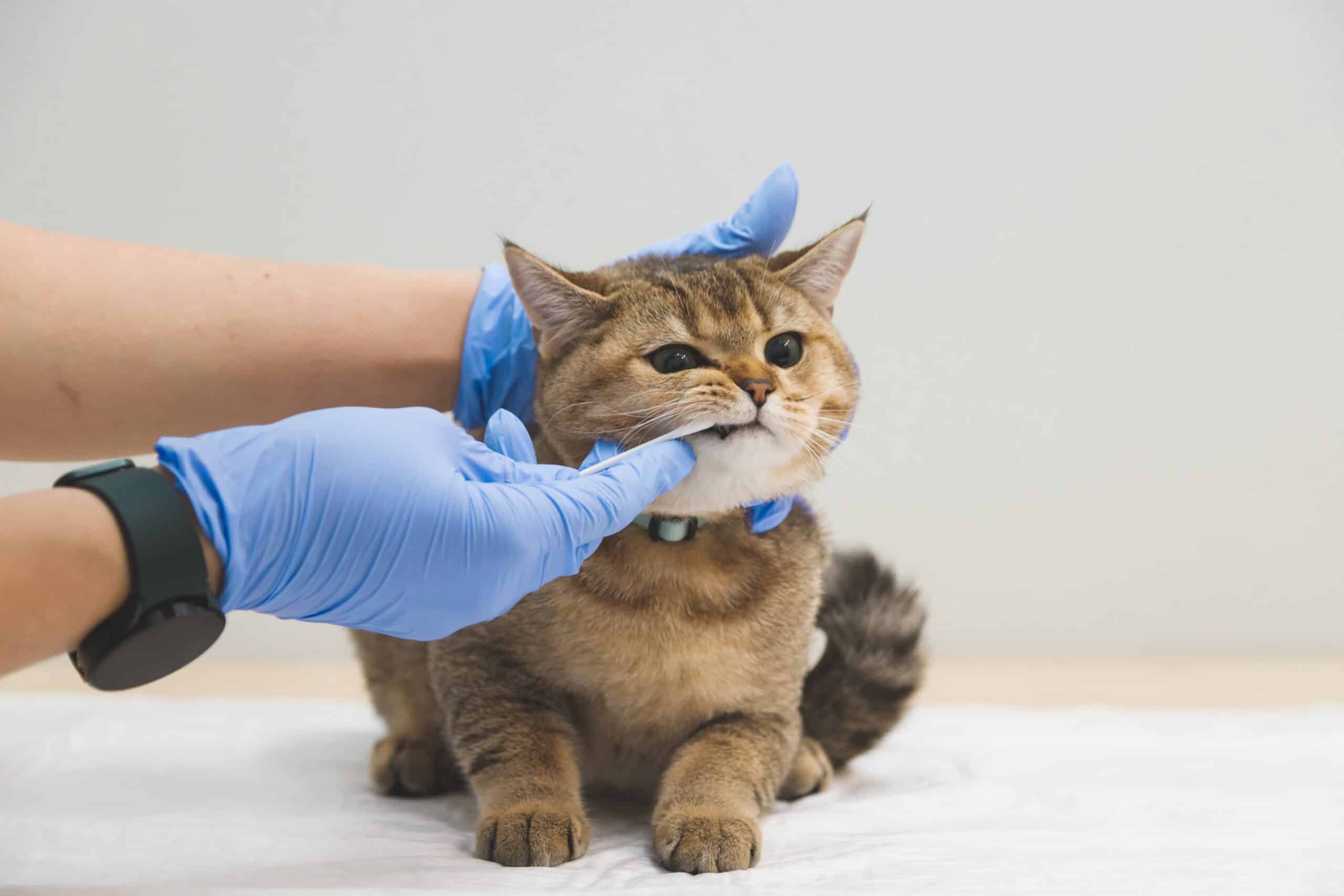
- Schedule annual oral exams, even if your cat appears healthy.
- Monitor breathing, chewing, and drooling, and report any concerns to your vet promptly.
By combining home care with regular professional evaluation, you maintain optimal oral hygiene and comfort.
To sum up, several signs—such as bad breath, difficulty eating, drooling, gum inflammation, changed behavior, tooth loss, and facial swelling—can indicate your cat needs dental care. Beyond that, staying proactive through home care and veterinary screenings makes all the difference.
If you detect any of these warning signs, act quickly. A pet dental service in Rock Hill, SC, can assess your cat’s mouth thoroughly. They provide professional cleaning, treatment, and customized advice. Most importantly, they help prevent long‑term pain, infections, and complications. Don’t wait—ensure your cat’s smile stays bright and healthy by scheduling an appointment today.